Adapting to Hunger in Haiti: Socialization for Scarcity
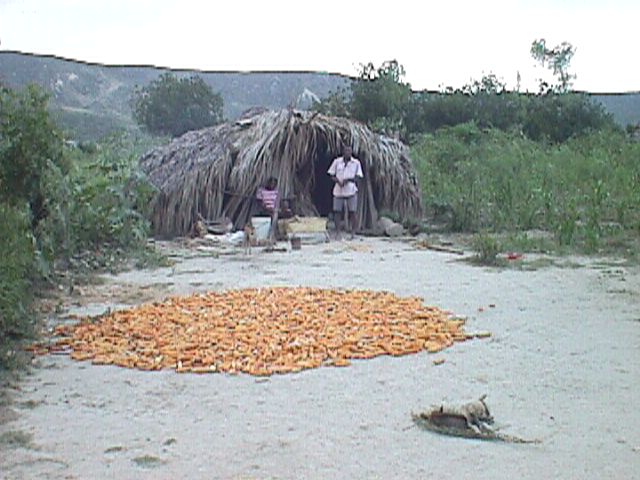
I have added this article specifically for the many aid workers who come to help in Haiti but are unaware of the highly patterned and logical strategies of survival that can be summarized under the rubric, “Socialization for Scarcity.” On the one hand, aid workers often mistakenly interpret rural Haitian individuals and households to beRead More
Ethnography of the Haitian Meal
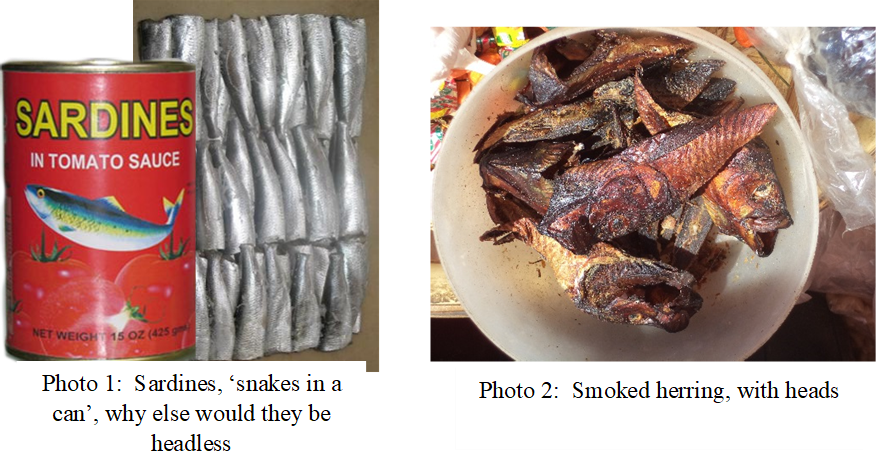
This article explores and elaborates on the observation that under-nutrition and malnutrition in Haiti occur in the context of a sophisticated popular understanding of food nutrition and a high esteem for balanced meals.[i] Popular class Haitians appreciate and in fact deliberately formulate balanced meals. They also blend foods to make highly nutritious folk concoctions forRead More
Street Food in Haiti
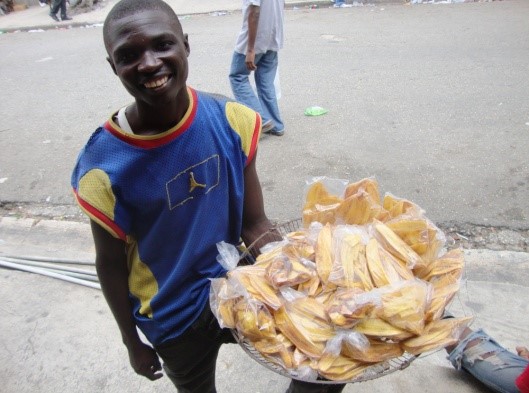
This article describes and attempts to explain the recent growth in Haiti’s street food cottage industries. Underlying the growth in street foods is urbanization and challenges that come with it. The challenges can be summed up as, “The Food Preparation Conundrum,” which can be further broken down into problems that the the street food industryRead More
Prepackaged Industrial Snack Food Industry in Haiti
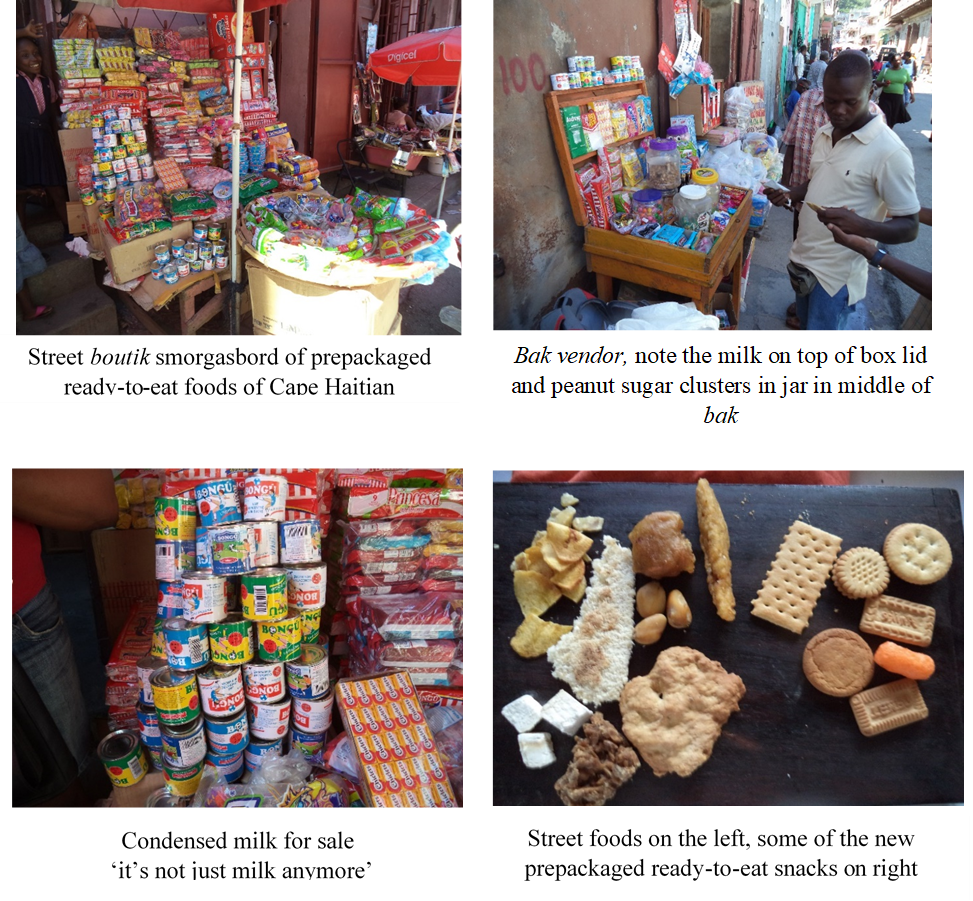
Imported snack foods are another solution to what I have defined elsewhere as the Food Preparation Conundrum (The Storage problem, The Water Problem, The Fuel Problem, The Labor Problem) that has come about with rapid urbanization of the past 50 years. They are inexpensive, ready to eat, available everywhere, have a long shelf-life and areRead More
FOOD AID Part II: Food Security and USAID, WFP and Destruction of Haitian Ag Economy
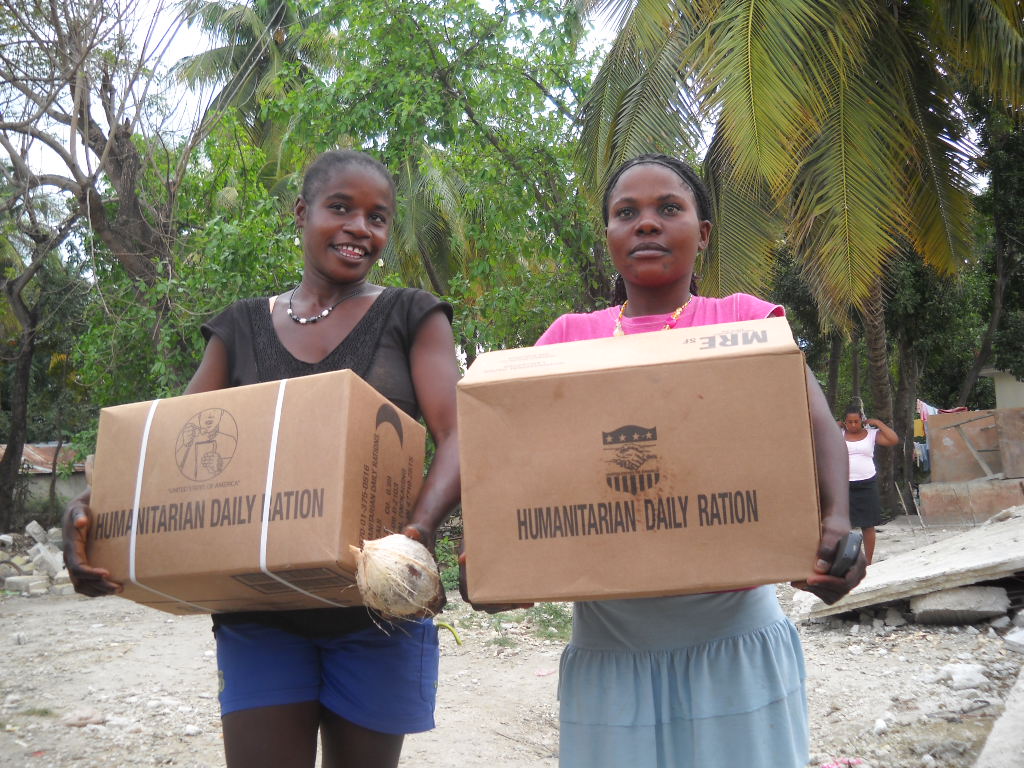
In 2008, two events occurred that suggested hope for Haiti’s agricultural sector, hope that the Machiavellian forces seen in FOOD AID PART I would be eliminated and in their place the United States, its allies, and the humanitarian aid agencies that had for four decades carried out politically charged food relief programs would effect newRead More
Fair Wage in Haiti (Academic Version)
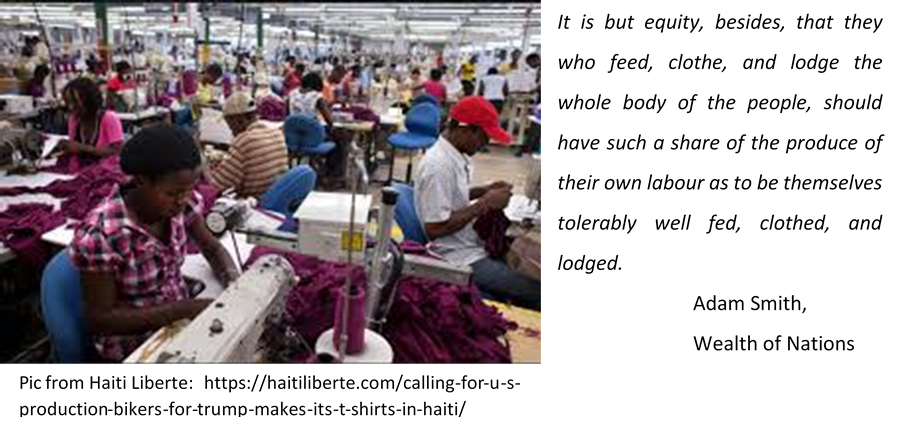
First published as a report commissioned by the ITC (International Trade Center/Ethical Fashion Initiative, November 2012) INTRODUCTION This white paper examines the concept of a “fair wage” in the context of the cost of living and the prevailing wage scale within in Haiti. It concludes with a recommended wage scale for the artisan sector. FAIRRead More
Fair Wages in Haiti (Short Version)
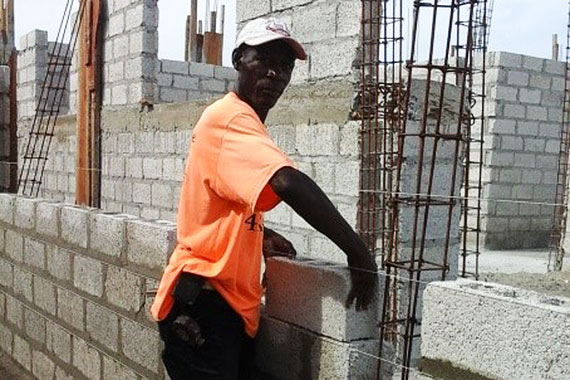
Fallacies In understanding a “fair wage” a couple fallacies should be recognized. First, official unemployment rates for Haiti vary between 70 to 80 percent. Similarly, organizations such as the World Bank have estimated that over 50% of the Haitian population lives on less than $1 per day and as much as 80% lives on lessRead More
Irony of the Exports: Superiority of the Local Market for Haitian Mangoes
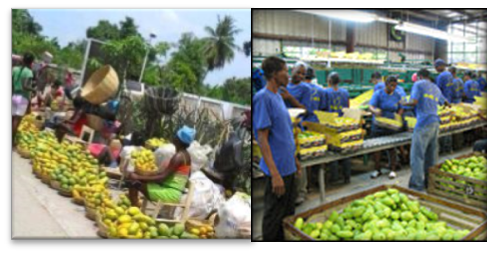
A closer look at evidence and trends in the market suggests that the local market for mangos is better than that of the export market. It offers producers more money. Indeed, to get mangos from producers, the exporters, their voltije and fourniseur agents have to resort to trickery and financial advances on trees 9 monthsRead More
Belying Basket of Mango: TRAVESTY OF EXPORT VS. LOCAL MANGO PRICES Part II
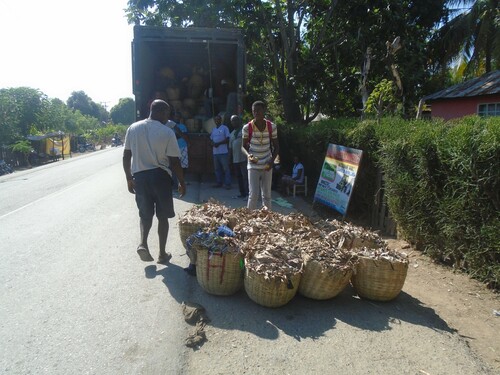
If we consider the value of a panye (basket) in terms of a poor market woman selling mangoes in the local market, where 95% or more of all Haiti’s mangos get sold, there is clearly a price floor at which point it makes no sense to harvest and sell mangos. There is a point whereRead More
Cheaper by the Dozen Mango Travesty II
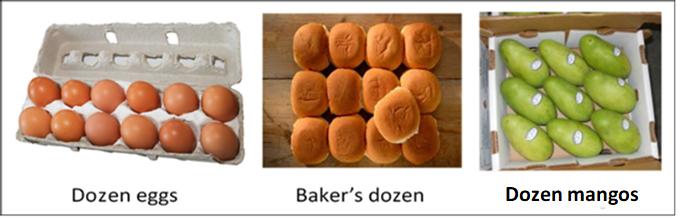
Puzzling regarding change in prices, size of dozens and reject rates is that HAP made claims in 2005 almost identical to those of Haiti Hope project claims in 2014 and 2015. Quoting directly from the HAP 2005 evaluation, Field interviews indicated that ten years ago producers were paid four gourdes for a dozen mangos, andRead More
Email Updates
Get notified when new research is released by signing up below.