Haiti Anthropological Brief: Land Tenure in Haiti and Myth of Land Insecurity
The most cited explanations for the “failure” of Haitian peasants to invest in improving the land they live on– such as planting mango trees—are often the weakest explanations. And perhaps the most cited reason of all—and the most mistaken– is land insecurity, or what 30 years ago one of Haiti’s most consulted consultants, Gerald F.Read More
Haiti Anthropological Brief: Myth of Land Fragmentation in Haiti
A common explanation one hears from educated Haitians and NGO workers alike for increasing rural poverty is land fragmention. As the argument goes, growing population has meant that heirs to Haitian farms have found themselves with increasingly smaller parcels of land. The evidence is, of course, growing population. The population of Haiti in 1950 wasRead More
The Haitian Market System
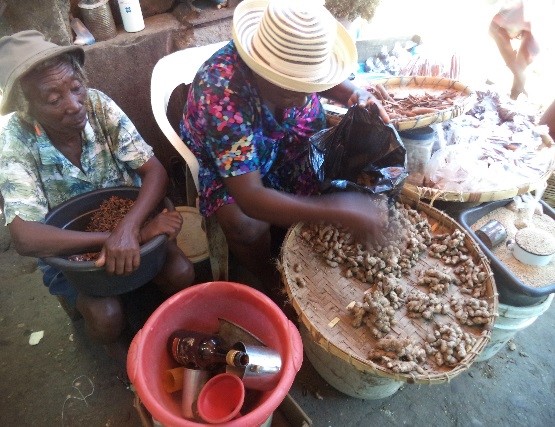
There are two principal market channels in Haiti by which food reaches consumers: the informal internal rotating marketing system that evolved dealing principally in local produce, and the formal import economy that evolved in association with imported goods. These two principal market distribution channels supply a third channel, the increasingly important food preparation specialists. AnyoneRead More
Haiti Anthropology Brief: Cake of Vulnerability and Adaptation to Poverty
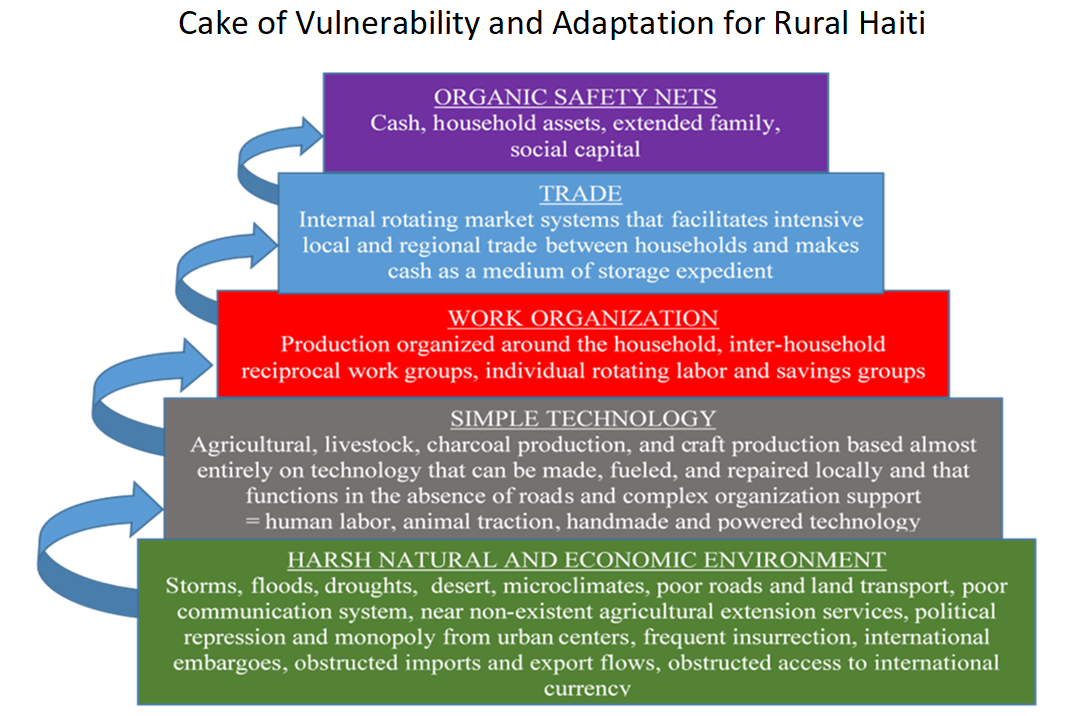
Here are a series of diagrams intended to make the prevailing rural Haitian household livelihood strategies easily understandable. The first diagram, above, is what we are calling, “The Cake of Vulnerability.” It is a model reminiscent of Marx’s Infrastructure, Structure and Super-structure description of modern human social organization. Here it is inspired by the moreRead More
A Model for Humanitarian Aid Beneficiary Targeting
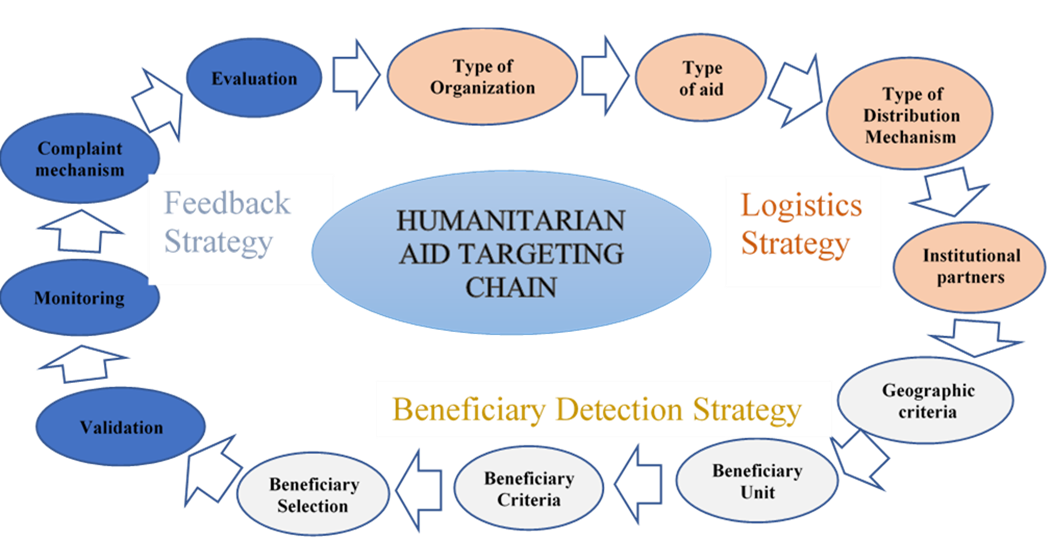
Targeting strategies are as old as humanitarian aid, but the formal study of targeting is recent, arguably only beginning in the past decade. To date, much of what is written is unclear. This paper is intended to present a synthesized model of humanitarian aid targeting that will clarify the many ambiguities and differences inRead More
Problems with Household as a Unit of Analysis in Haiti
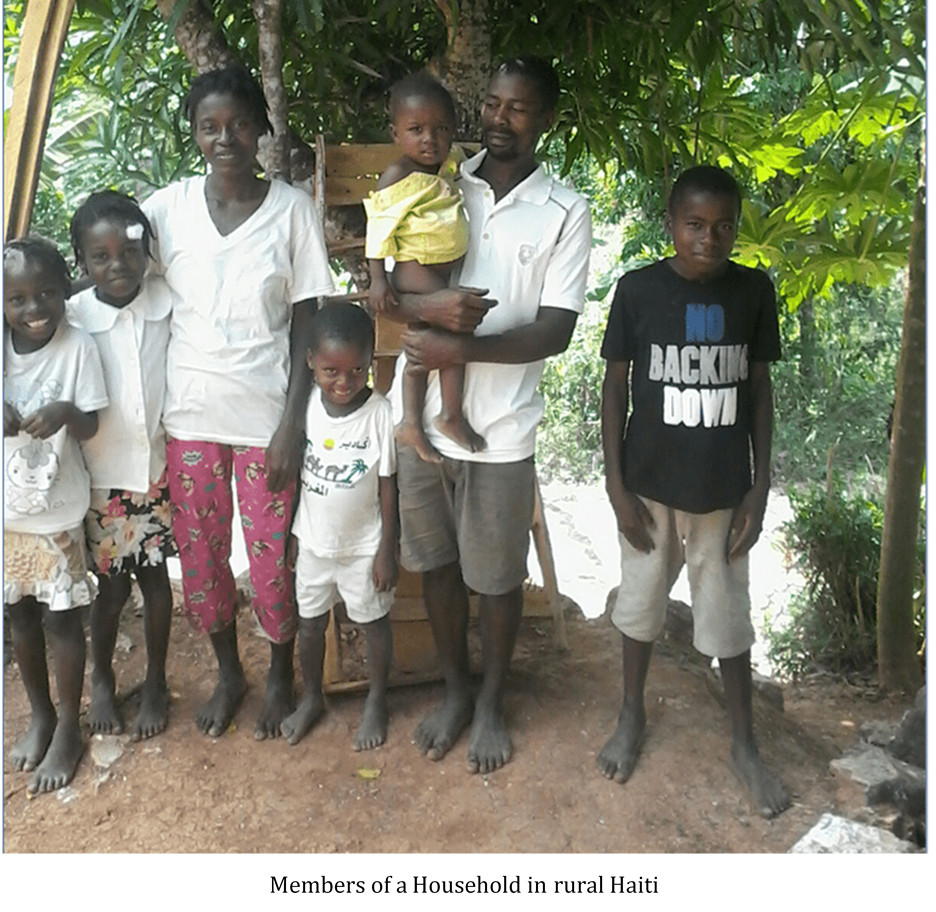
This post deals with defining the concept of a “household” and a member of a household in Haiti. But before launching into an exploration of the problems with the household as a unit of analysis, some readers may be more interested in other topics regarding household studies in Haiti and can refer to these posts:Read More
The Sexual Moral Economy in Rural Haiti
Rural Haitian women assiduously negotiate sexual acquiescence to men and they do so with the goal of material gain. Ira Lowenthal (1984: 22) first described this behavior in detail when he reported that women in his research community referred to their genitals as intere-m (my assets), lajan-m (my money), or manmanlajan-m (my capital), in additionRead More
Geographic Homogeneity of Poverty in Haiti
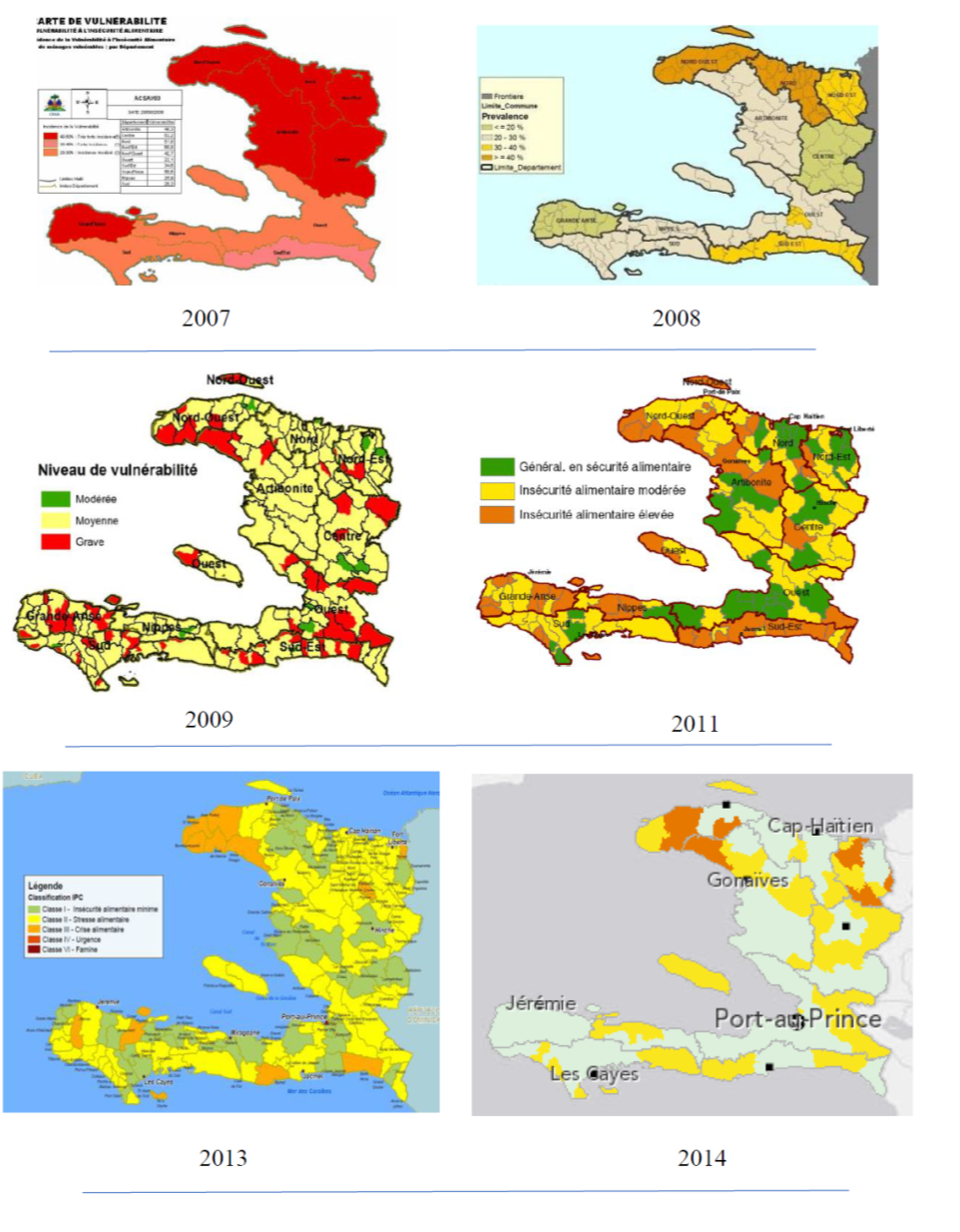
It is always very difficult to quantify malnutrition in Haiti. …the data available from actors appears to show that, strictly speaking, there are no pockets of malnutrition. ECHO 2011:24 Although humanitarian aid organizations working in Haiti almost universally target specific departments and communes based on CNSA vulnerability assessments (see CARE 2013a), a longitudinal lookRead More
Failure of the HDVI : Beneficiary Criteria, Indicators, and PMT (Proxy Means Test) in Haiti (Human Deprivation and Vulnerability Index)
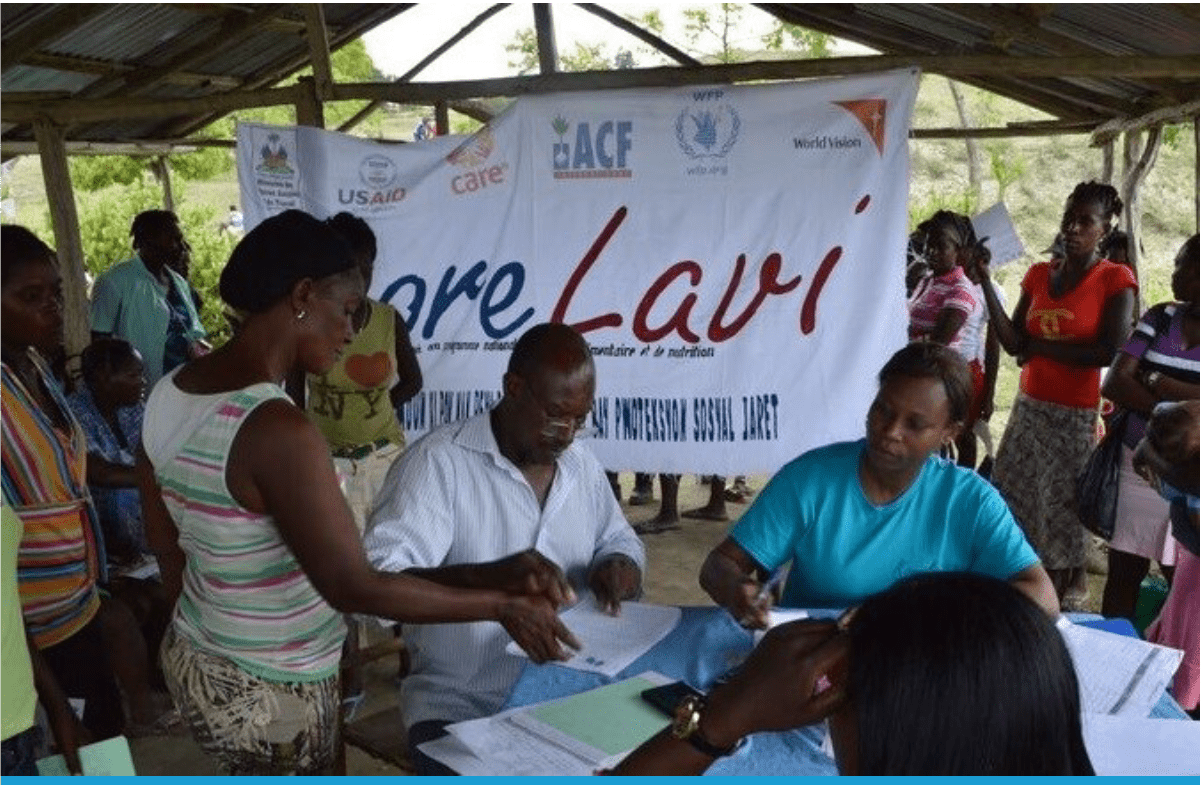
To identify most vulnerable beneficiaries, humanitarian organizations in Haiti have often used criteria based on expectations from elsewhere in the world, criteria that are often not based on data, and that, more often than not, fail in Haiti. The best and most controversial flood of examples comes from the World Bank/WFP/USAID supported HDVI (Humanitarian DeprivationRead More
History of Beneficiary Selection and Targeting in Haiti
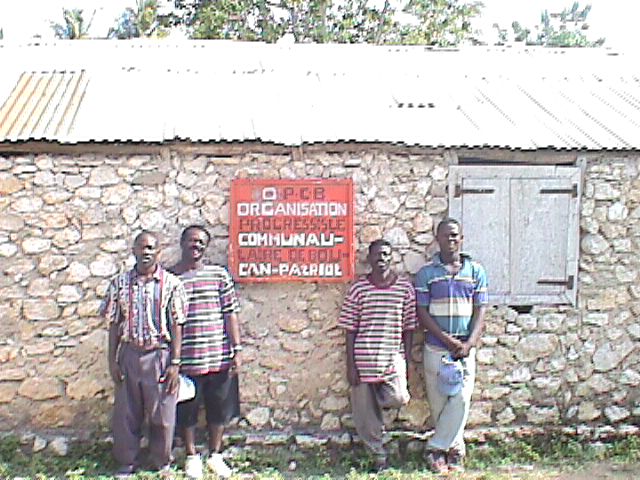
Here I review the history of humanitarian aid beneficiary targeting in Haiti. I begin in the 1950s and 1960s with the Community councils, move through the 1970s and 1980s looking at gwoupman and the liberation theology movement. Very importantly I show how the revolutionary Liberation Theology movement of the 1970s to 1990s that were intendedRead More
Email Updates
Get notified when new research is released by signing up below.