Lying Sack of Mango: Travesty of Export Prices
This article summarizes how USG funded aid agencies and contractors have manipulated price data to make it appear that they have improved the export market chain price for mangoes. As seen below, they’ve rather boldly misrepresented their own data to make their case.
USAID Funded Chemonics Mango Travesty: WHAT’S WRONG WITH THIS PICTURE?
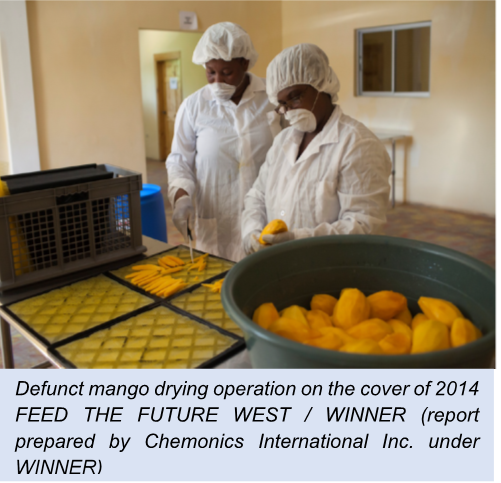
USAID/IDB/Coca Cola funded Haiti Hope project invested in processing enterprises, and failed in every attempt. A good example comes from l’Unité de Séchage de Fruits à Mirebalais–The Fruit Drying Operation in Mirabalais–funded by USAID/WINNER’s $127 million Feed the Future West project and operated by the Mirebalais association ADAIM (Association pour le développement agro-industriel de Mirebalais).Read More
The Travesty of Haiti Hope and Haiti’s ANEM Mango Cartel: Part I

Ninety-five percent of all Haitian mango exports go to the US and they all must go through a cartel composed of eight export packing houses, ANEM (Association Nationale des Exportateurs de Mangues). A cartel is a group of sellers or buyers that have been granted government sanctioned authority to organize themselves to behave like aRead More
The Joining of Science, Art and Aid: Visual Ethnography and MEVMS (Multidimensional Ethnographic Value-Chain Mapping Strategy)
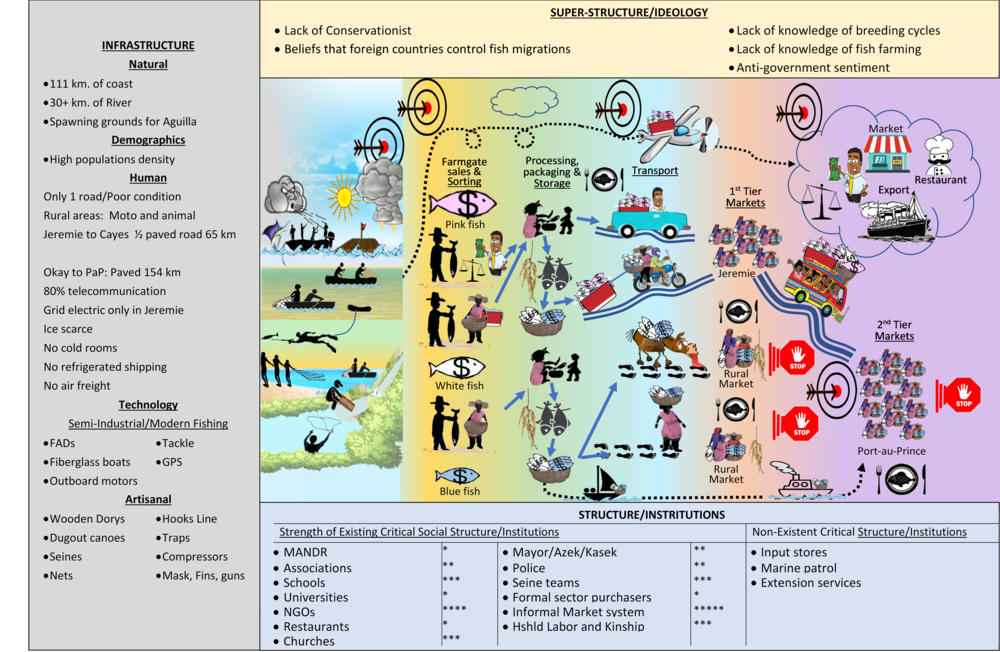
A picture is indeed worth a thousand words. What is the MEVM Strategy? MEVMS (Multi-Dimensional Ethnographic Value-Chain Mapping Strategy) is an intuitive, user-friendly research and presentation strategy for creatively documenting, organizing, understanding, and explaining Value Chain networks for a product or service that generates critical income to an economically insecure population. Data on a valueRead More
Logo Icon Comparison Marketing Technique in Haiti
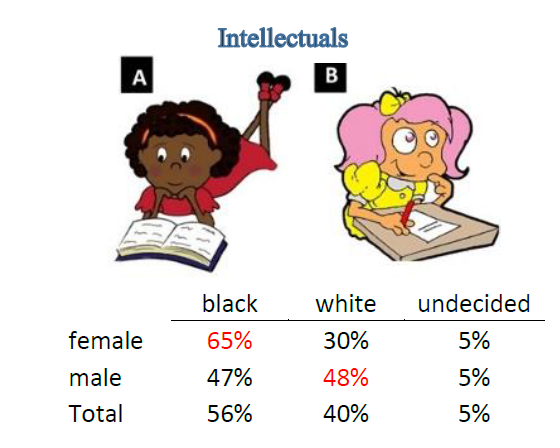
I developed this marketing strategy in association with Socio-Dig. The challenge was that MFK (Meds and Foods for Kids) wanted to select a marketing logo to put on fortified snacks for Haitian children. They had two logos already selected and they wanted to make sure they were the right logos, meaning logos children would like.Read More
Mangos (TechnoServ/USAID/Coca Cola/IDB 2015)
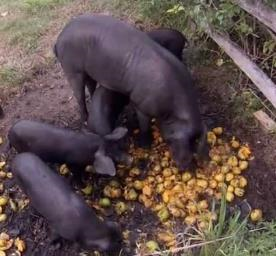
This is an evaluation of Haiti Hope Mango Project, supported by USAID, Coca-Cola, and the IDB and implemented by TechnoServe from 2011 to 2015. The research was conducted under the auspices of Socio-Dig, a Haiti-based research company. I think the research is particularly useful for anyone interested in the Haiti agricultural sector and especially exports. The reportRead More
Eggs in Haiti Surveys and Report (FCA 2015)

This report–commissioned by Finland Church Aid (FCA) and carried out under the Socio-Dig, a Haiti-based research company–focuses on egg production in Haiti with an emphasis on popular class rural household livelihood strategies. The study ultimately addresses the question, if equipped with the proper technological resources and financial support, could these households provide significantly more eggsRead More
North West Haiti Surveys and Report (IFAD 2015)
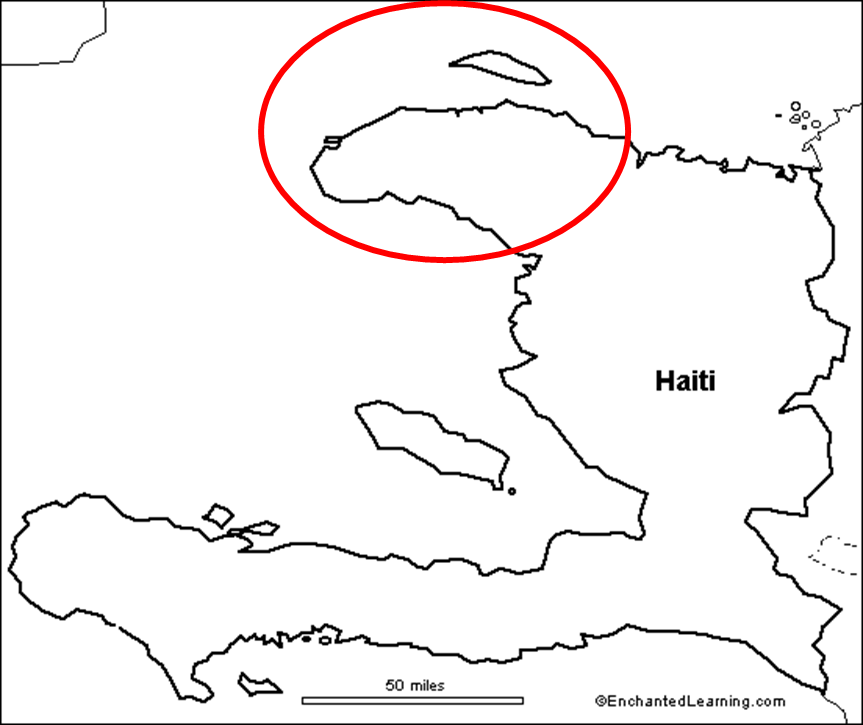
The objective of this annex was to provide the UN agency IFAD‘s with an entry point for understanding the production and marketing strategies among the targeted beneficiaries in North West, Haiti. There are some 700,000 women, men, and children in the Department of the North West and the commune of Anse Rouge. The majority liveRead More
Fishing in Haiti Surveys and Report (Haitian and German Red Cross 2012)
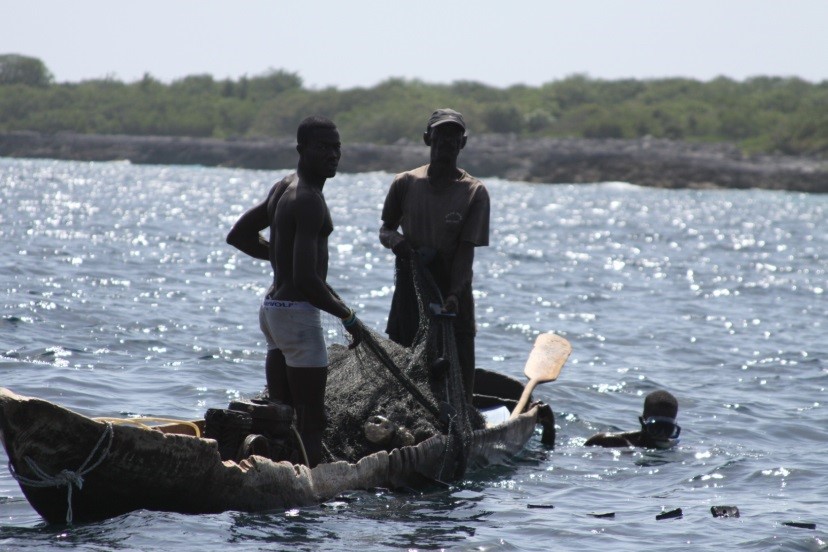
This study responds to a tender from The German Red Cross (GRC) in partnership with the International Federation of the Red Cross and Red Crescent Societies (IFRC) and the Haitian Red Cross (HRC). The research was conducted under the auspices of Socio-Dig, a Haiti-based research company. The objective was to help inform post hurricane Sandy Livelihoods/Food SecurityRead More
Methods: EMMA Maps for Post Earthquake Agricultural Labor in Jacmel (Red Cross 2010)
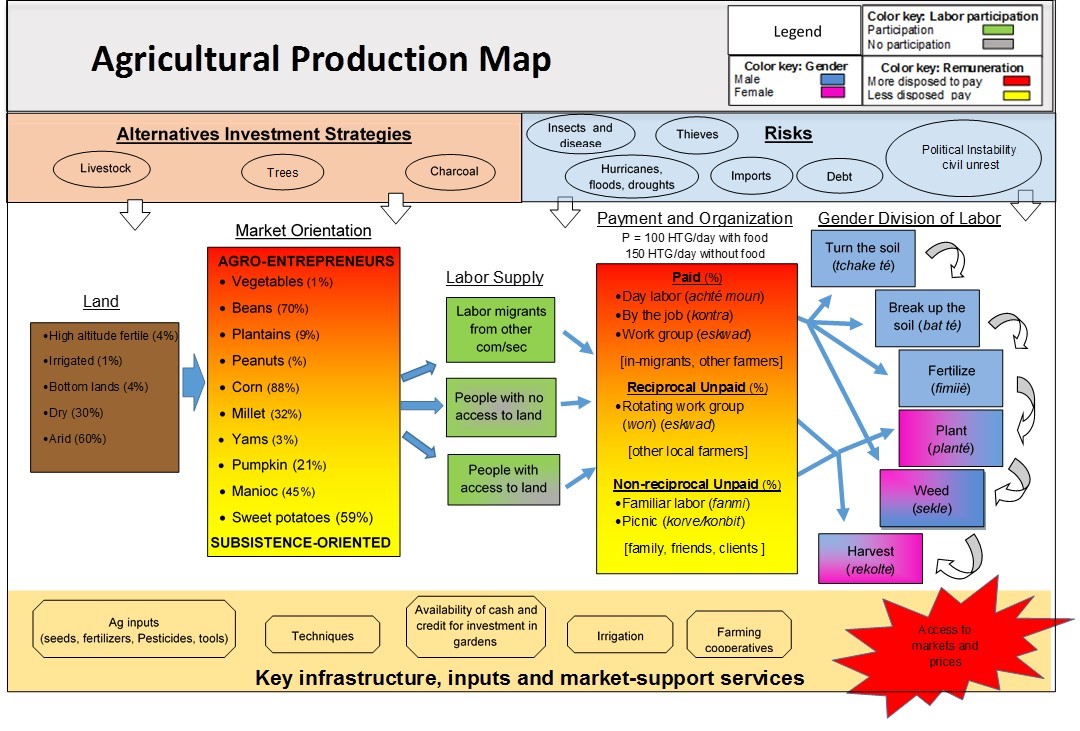
Originally published in February 2012 on Open Salon Here I share two EMMA (Emergency Marketing Map Analyses). The reason I am putting them here is because they don’t exist anywhere else. My employers for the job for which they were produced didn’t appreciate them. Apparently they didn’t approve of the use of color gradients andRead More
Email Updates
Get notified when new research is released by signing up below.