Haiti Anthropological Brief: Land Tenure in Haiti and Myth of Land Insecurity

The most cited explanations for the “failure” of Haitian peasants to invest in improving the land they live on– such as planting mango trees—are often the weakest explanations. And perhaps the most cited reason of all—and the most mistaken– is land insecurity, or what 30 years ago one of Haiti’s most consulted consultants, Gerald F.Read More
Anthropological Brief: Occupational Multiplicity in Haiti

In addition to engaging in a vibrant internal rotating marketing system and integrated household livelihood systems that include a wide variety of crops, livestock, and harvesting of fruit, lumber and charcoal from trees, rural Haitians everywhere also exhibit what anthropologists refer to as ‘occupational multiplicity’, meaning a surfeit of specialties, such as housebuilding tasks likeRead More
The Haitian Market System
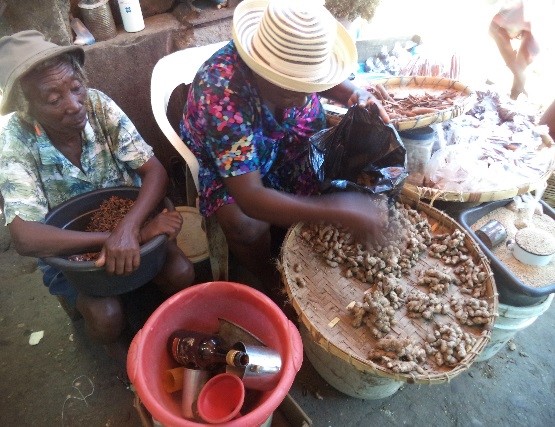
There are two principal market channels in Haiti by which food reaches consumers: the informal internal rotating marketing system that evolved dealing principally in local produce, and the formal import economy that evolved in association with imported goods. These two principal market distribution channels supply a third channel, the increasingly important food preparation specialists. AnyoneRead More
Prepackaged Industrial Snack Food Industry in Haiti
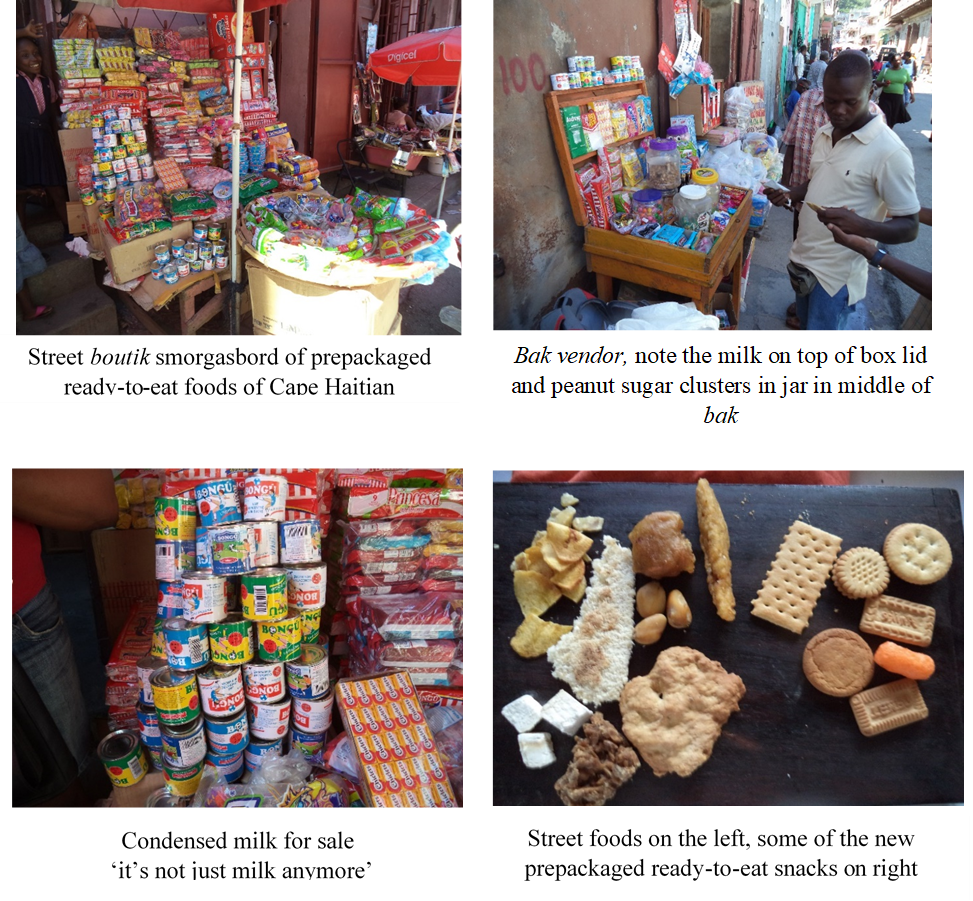
Imported snack foods are another solution to what I have defined elsewhere as the Food Preparation Conundrum (The Storage problem, The Water Problem, The Fuel Problem, The Labor Problem) that has come about with rapid urbanization of the past 50 years. They are inexpensive, ready to eat, available everywhere, have a long shelf-life and areRead More
Fair Wage in Haiti (Academic Version)
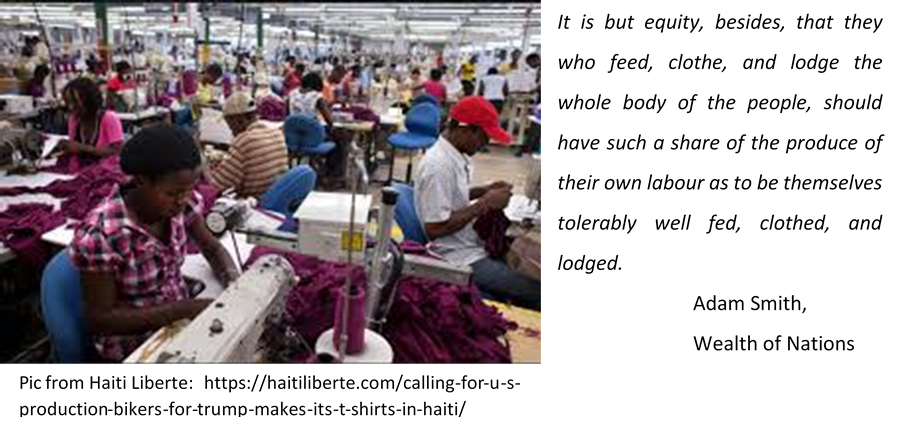
First published as a report commissioned by the ITC (International Trade Center/Ethical Fashion Initiative, November 2012) INTRODUCTION This white paper examines the concept of a “fair wage” in the context of the cost of living and the prevailing wage scale within in Haiti. It concludes with a recommended wage scale for the artisan sector. FAIRRead More
Irony of the Exports: Superiority of the Local Market for Haitian Mangoes
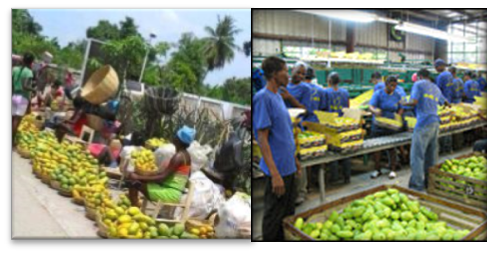
A closer look at evidence and trends in the market suggests that the local market for mangos is better than that of the export market. It offers producers more money. Indeed, to get mangos from producers, the exporters, their voltije and fourniseur agents have to resort to trickery and financial advances on trees 9 monthsRead More
Belying Basket of Mango: TRAVESTY OF EXPORT VS. LOCAL MANGO PRICES Part II
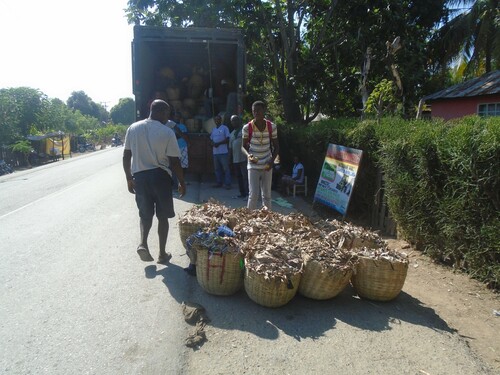
If we consider the value of a panye (basket) in terms of a poor market woman selling mangoes in the local market, where 95% or more of all Haiti’s mangos get sold, there is clearly a price floor at which point it makes no sense to harvest and sell mangos. There is a point whereRead More
Cheaper by the Dozen Mango Travesty II
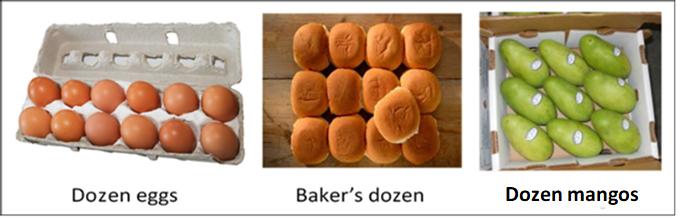
Puzzling regarding change in prices, size of dozens and reject rates is that HAP made claims in 2005 almost identical to those of Haiti Hope project claims in 2014 and 2015. Quoting directly from the HAP 2005 evaluation, Field interviews indicated that ten years ago producers were paid four gourdes for a dozen mangos, andRead More
Cheaper by the Dozen Mango Travesty I
It is not at all what NGOs or Haitians mean–any of them—when they say “dozen.” Not those in the mango business anyway. First off, for the poor Haitian producers, they do not measure in weight and they seldom measure in number. They measure in volume. Hence when trading locally in mangos they do not useRead More
Haiti, Not Open for Business: Another Dried Mango Export Travesty
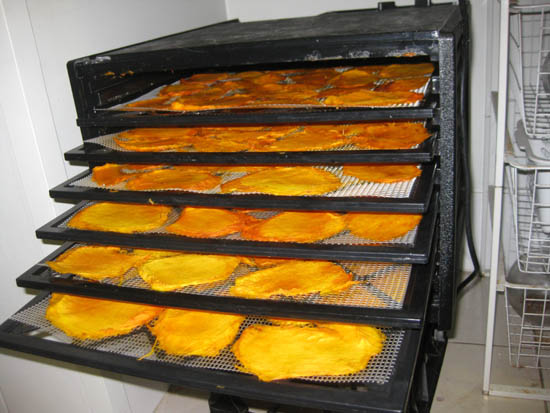
Despite a whole lot promises and some $120 million donor dollars invested in the domestic mango industry over a period of 20 years, as of 2015, Haiti had no new mango processing facilities. A 2012 TNS feasibility study showed that a Coca Cola supported juice and pulp processing factory would be profitable only after 10Read More
Email Updates
Get notified when new research is released by signing up below.