Madam Sara vs. Komèsan: Subsidizing Self Destruction
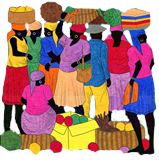
Originally published in January 2012 on Open Salon Madan Sara The madam sara (or phonetically madan sara) is the itinerant female Haitian market woman. She is the principal accumulator, mover, and distributor of domestic produce in Haiti and as such represents the most critical component in what anthropologists have long called the internal Haitian marketing system, the one upon whichRead More
Microlending in Haiti

Microlending can be understood as the favorite and most promising current NGO activity in Haiti. It fits into the new investment-production-return ideology that donors most appreciate and in which, we are often told, Haitian farmers are eager participants. But there are aspects of the industry that are disturbing and ring of past failure.
Methods: A Brief Critique of a Very Useful Technique: the EMMA
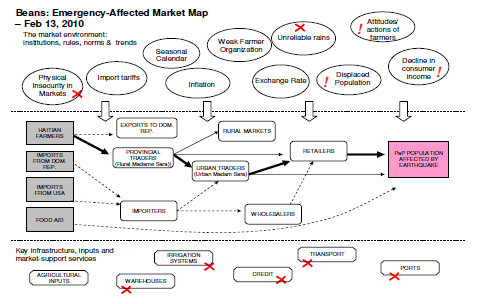
A Brief Critique of a Very Useful Technique: the EMMA (Emergency Market Map Analysis) An Emergency Market Map Analysis (EMMA) is a decision making strategy that early responders use in the wake of disasters such as earthquakes and hurricanes. First developed by Lili Mohiddin and Mike Albu (2008) for Oxfam, the EMMA strategy involves gathering dataRead More
Haitian Food Consumption Patterns: Part II
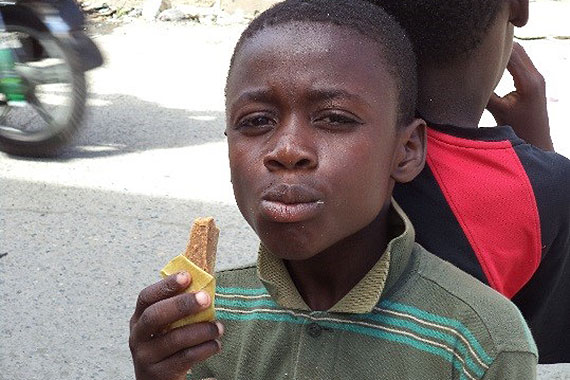
This is the second part of a two-part study that was originally funded by the American Peanut Council (APC), and sub-contracted through EDESIA, a social enterprise with the goal of preventing malnutrition among the world’s most vulnerable children through production of Ready-to-Use Therapeutic Foods. Information and excerpts from this report were used in a 2015Read More
Haitian Food Consumption Patterns: Part 1
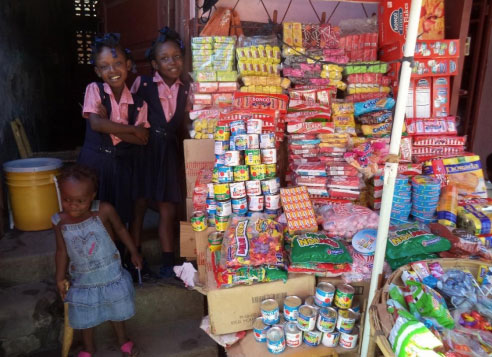
This is the first of a two-part study that was originally funded by the American Peanut Council (APC), and sub-contracted through EDESIA, a social enterprise with the goal of preventing malnutrition among the world’s most vulnerable children through production of Ready-to-Use Therapeutic Foods. Information and excerpts from this report were used in a 2015 reportRead More
Gender in Haiti Report (CARE International 2012)
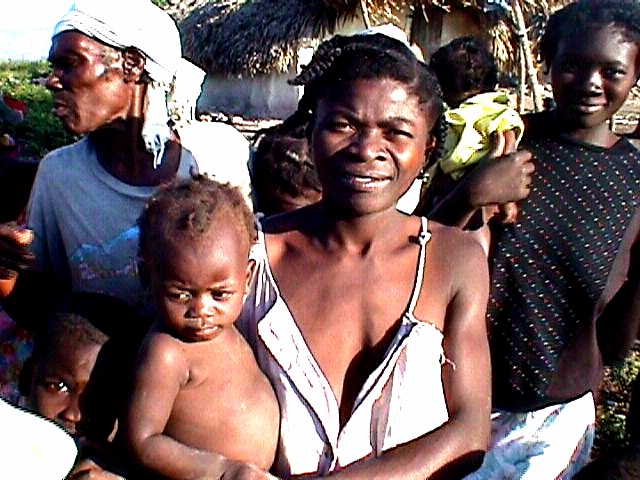
The quantitative Gender Survey described in this document was conducted under the auspices of Socio-Dig, a Haiti-based research firm. The survey was part of larger evaluation and exploration of gender in Leogane and Carrefour, two communes (counties) near to Port-au-Prince that were among those most heavily impacted by the January 12th 2010 earthquake. Following theRead More
Post Earthquake Jacmel (Haiti) Report and EMMA (Red Cross 2010)
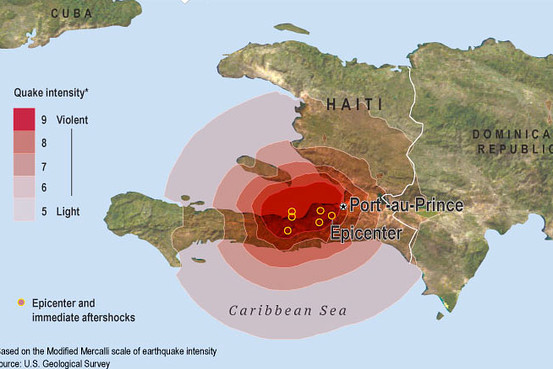
The objective of the Department du Southeast study (per Scope of Work 1-2) was, expand AMAP learning about value chains in conflict- and disaster-affected environments with the goal of helping design early responses for ensuring survival (market systems could supply food and essential items or services related to priority survival needs), provide useful information forRead More
Wheat Bread in Haiti Report (World Vision 2010)
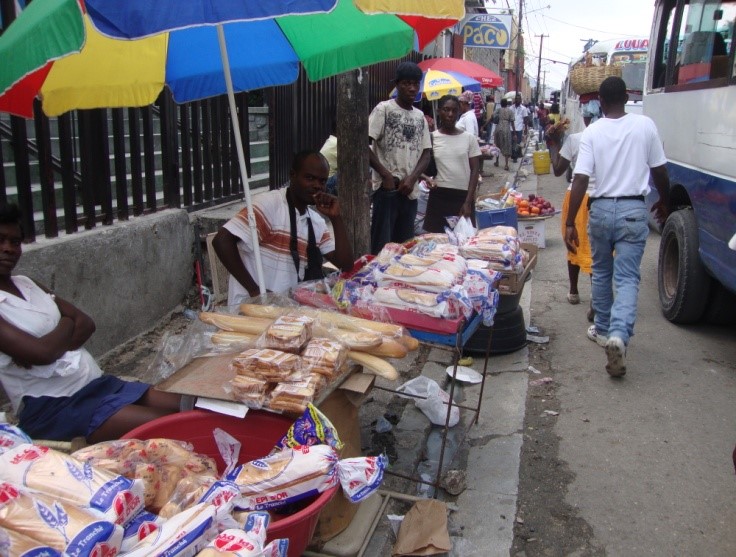
This report was part of USAID Bellmon analysis. It was commissioned by World Vision after the 2010 earthquake to prepare the way for a shipment of 19,000 tons of wheat flour. The earthquake of January 12th 2010 destroyed Haiti’s only mill, Le Moulin d’Haiti (LMH). The mill owners estimate that the it will take atRead More
Edible Oil in Haiti Report (ACDI-VOCA 2009)
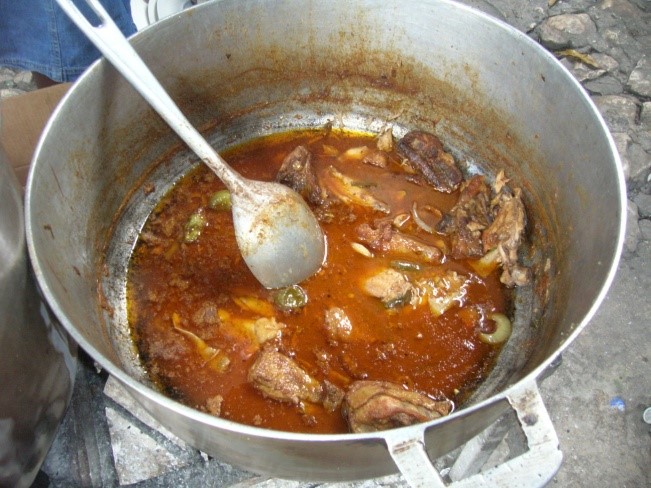
In 2008, with the approval of USAID Food For Peace officers, ACDI/VOCA initiated preparations for the monetization of a small lot of soy oil. The objective was to launch a pilot project that would explore a broadening of the income stream to Title II programs in Haiti. Whatever, it provides some useful data on edibleRead More
Email Updates
Get notified when new research is released by signing up below.