Haiti Anthropological Brief: Land Tenure in Haiti and Myth of Land Insecurity

The most cited explanations for the “failure” of Haitian peasants to invest in improving the land they live on– such as planting mango trees—are often the weakest explanations. And perhaps the most cited reason of all—and the most mistaken– is land insecurity, or what 30 years ago one of Haiti’s most consulted consultants, Gerald F.Read More
Problems with Household as a Unit of Analysis in Haiti
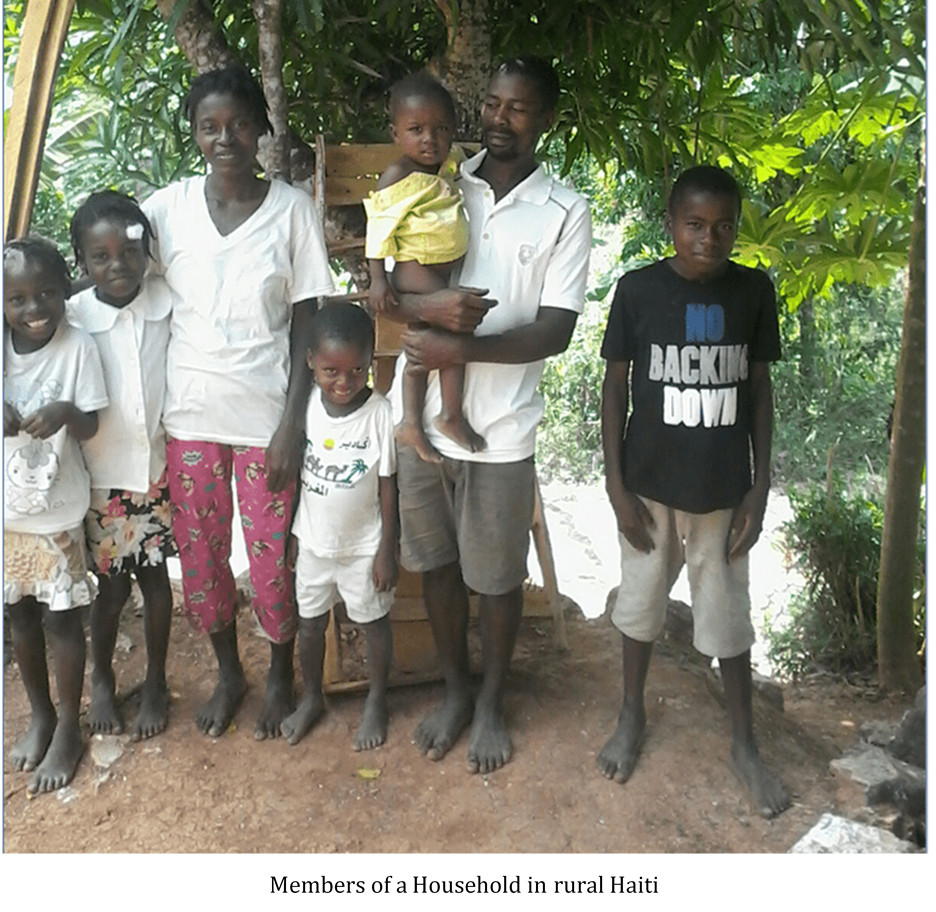
This post deals with defining the concept of a “household” and a member of a household in Haiti. But before launching into an exploration of the problems with the household as a unit of analysis, some readers may be more interested in other topics regarding household studies in Haiti and can refer to these posts:Read More
Street Food in Haiti
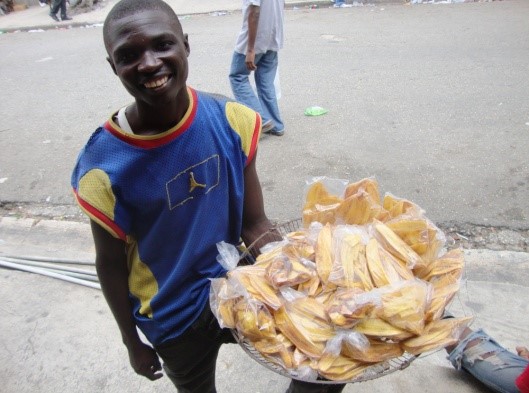
This article describes and attempts to explain the recent growth in Haiti’s street food cottage industries. Underlying the growth in street foods is urbanization and challenges that come with it. The challenges can be summed up as, “The Food Preparation Conundrum,” which can be further broken down into problems that the the street food industryRead More
FOOD AID Part II: Food Security and USAID, WFP and Destruction of Haitian Ag Economy
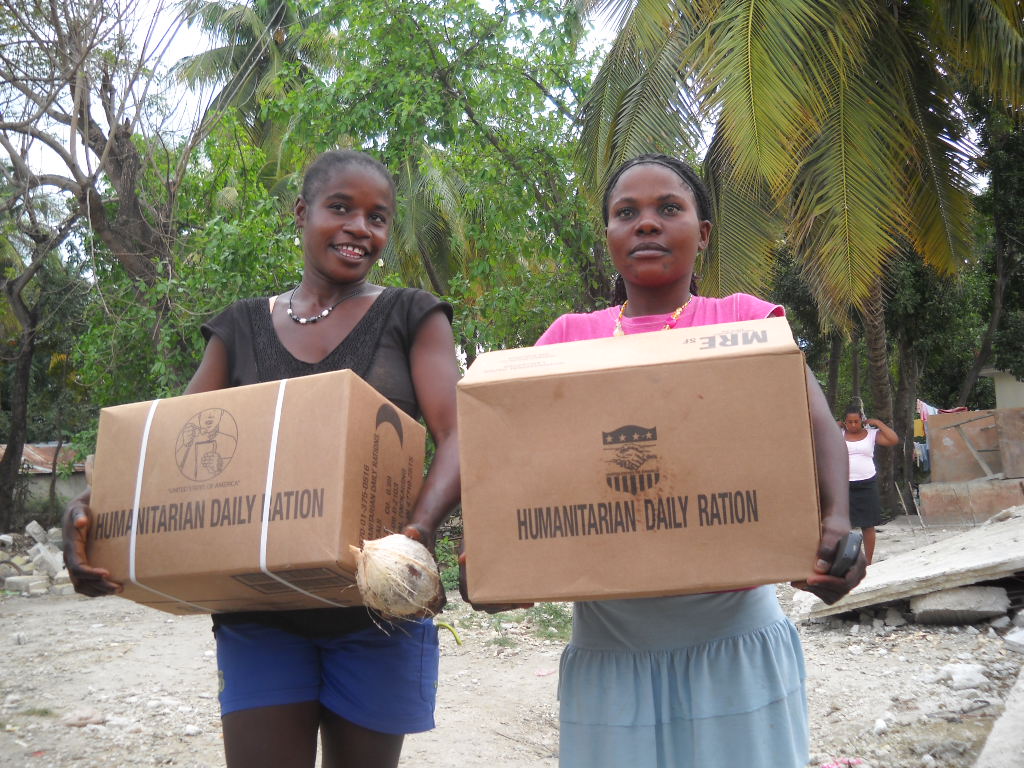
In 2008, two events occurred that suggested hope for Haiti’s agricultural sector, hope that the Machiavellian forces seen in FOOD AID PART I would be eliminated and in their place the United States, its allies, and the humanitarian aid agencies that had for four decades carried out politically charged food relief programs would effect newRead More
Fair Wage in Haiti (Academic Version)
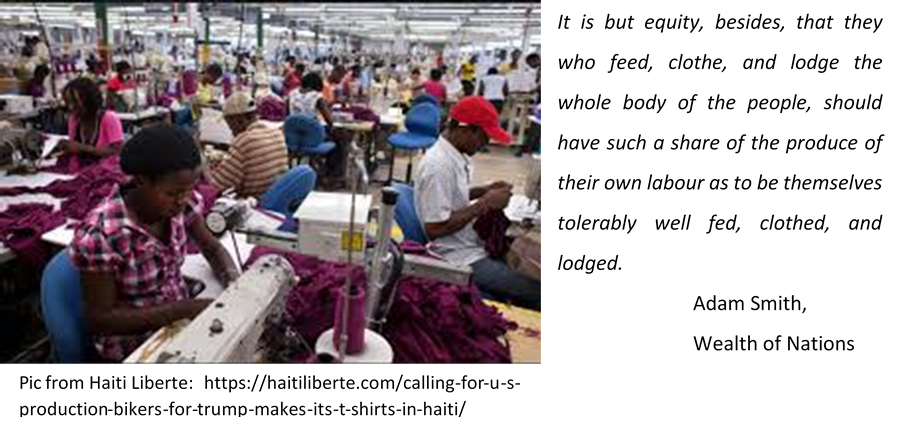
First published as a report commissioned by the ITC (International Trade Center/Ethical Fashion Initiative, November 2012) INTRODUCTION This white paper examines the concept of a “fair wage” in the context of the cost of living and the prevailing wage scale within in Haiti. It concludes with a recommended wage scale for the artisan sector. FAIRRead More
Fair Wages in Haiti (Short Version)
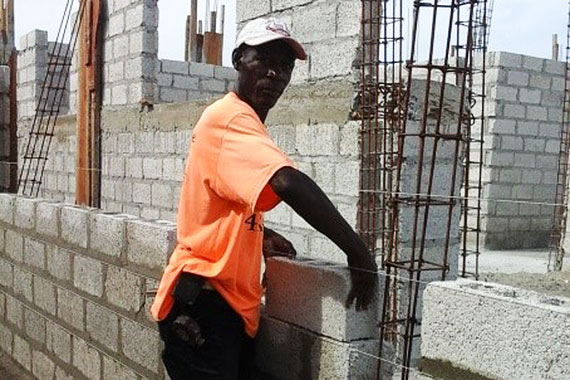
Fallacies In understanding a “fair wage” a couple fallacies should be recognized. First, official unemployment rates for Haiti vary between 70 to 80 percent. Similarly, organizations such as the World Bank have estimated that over 50% of the Haitian population lives on less than $1 per day and as much as 80% lives on lessRead More
The Joining of Science, Art and Aid: Visual Ethnography and MEVMS (Multidimensional Ethnographic Value-Chain Mapping Strategy)
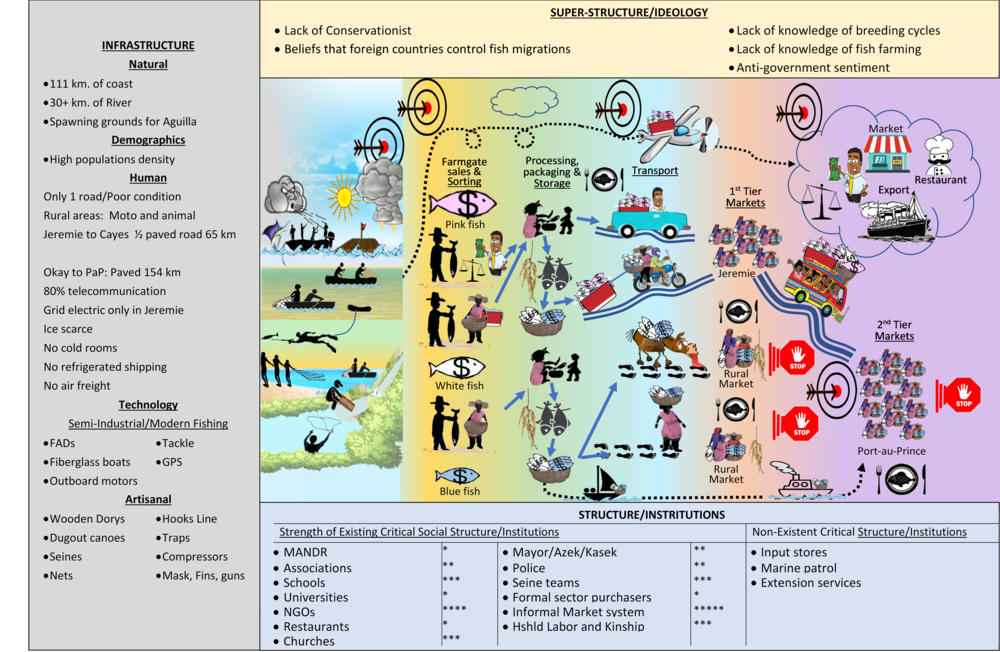
A picture is indeed worth a thousand words. What is the MEVM Strategy? MEVMS (Multi-Dimensional Ethnographic Value-Chain Mapping Strategy) is an intuitive, user-friendly research and presentation strategy for creatively documenting, organizing, understanding, and explaining Value Chain networks for a product or service that generates critical income to an economically insecure population. Data on a valueRead More
Test of Freq-Listing in Maissade, Haiti (based on freelisting)
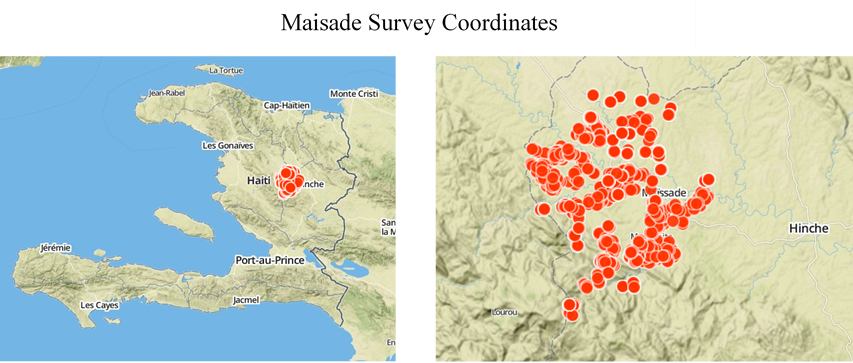
Here is an example of a test of the freq-listing technique (based on freelisting) used as rural vulnerability targeting strategy, i.e. to identify most vulnerable households. The actual research was conducted by Socio-Dig, a Haiti-based research company. The surveys were conducted in May 2014 on behalf of CNSA (Coordination Nationale De La Sécurité Alimentaire), a para-statal HaitianRead More
Freelisting based Notab Leadership and Key Informant Network Strategy (NOLKINS): How and Why it could Revolutionize Humanitarian Aid
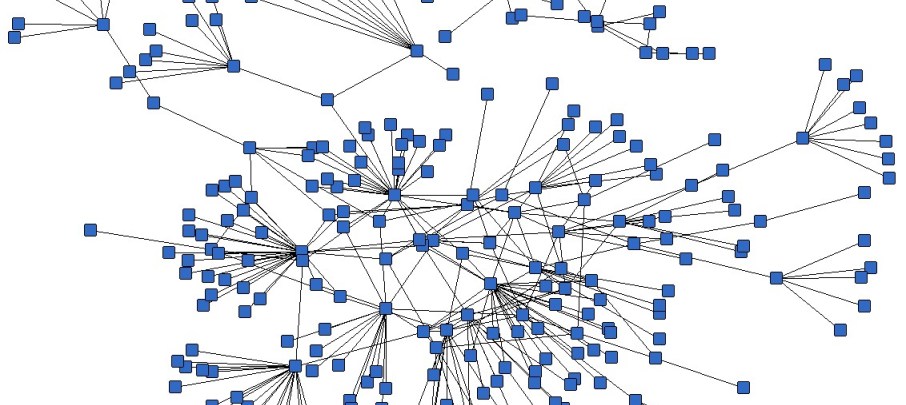
How and Why it’s Revolutionary Frequency-Listing, or “Freq-listing” (based on freelisting) and the Notab Leadership and Key Informant Network Strategy (NOLKINS) is not a political strategy. Rather it is a strategy for engaged development. But in coming to understand how it works and why it can be so effective, it helps to think of itRead More
Estimating Rape in Post Earthquake Haiti: Scaling up Technique
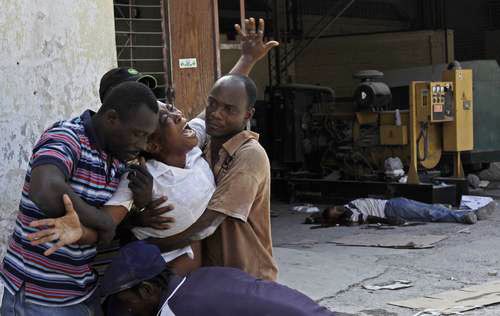
For an explanation of the above photo and visual fake news about Haiti from South Atlantic Press Agency, click here. This White Paper is important for two reasons. 1) It is more evidence that the 2010-2012 post-earthquake Haiti rape epidemic was contrived by a combination of overly-ambitious activists, aid workers looking for a dramatic cause,Read More
Email Updates
Get notified when new research is released by signing up below.