Just What is a Madan Sara
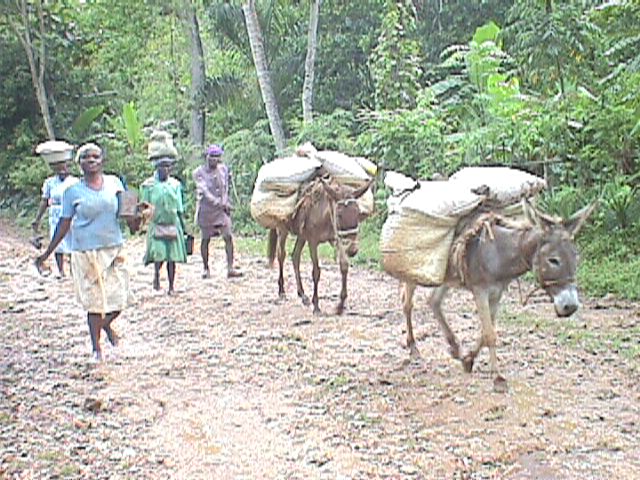
The most critical defining characteristic of the sara is her ability to leverage capital, knowledge, and relathioships to obtain and move produce at lower than wholesale prices.
HAITIAN MANGOES EXPORTED TO THE DOMINICAN REPUBLIC
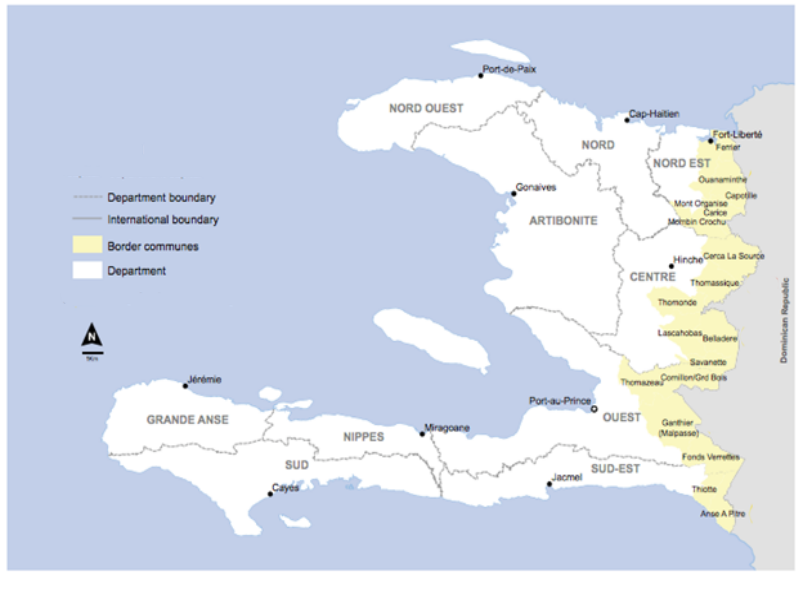
A big part of the irony of the rocket like growth of the Dominican mango export industry over the past 30 years (read this post) is that this had not only happened while Haiti’s exporters had failed to increase their own exports or to effectively organize the mango industry: it was arguably launched with theRead More
The Haitian Boutik (‘neighborhood convenience store’)
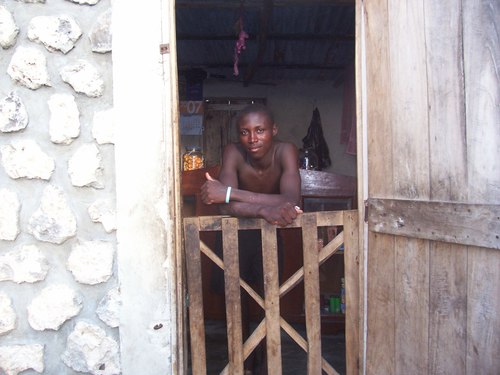
This post is useful for a) the description of the formal versus informal market chains in Haiti and b) data from several random boutik (neighborhood stores) surveys. You will find information on the estimated number of residences per boutik, the use of credit, distribution channels, and inventories. Data is drawn from studies we conductedRead More
Understanding the Impact of Emigration in Haiti
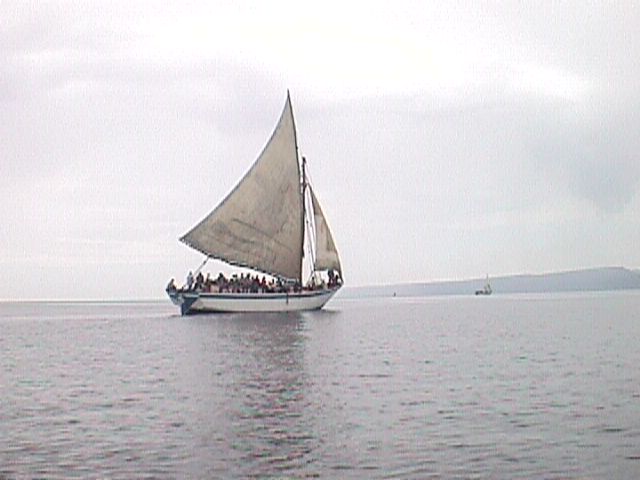
In the 1960s and 1970s the typical gran neg or gran dam (Patron) in provincial Haiti was an individual belonging to a large family that, a) had more and better land than most people in the region, b) a better education, c) urban connections, but, d) was heavily invested in land, agricultural production, livestock rearingRead More
Visual Fake News and the Absurdity of the Haiti Post-Earthquake Rape Epidemic
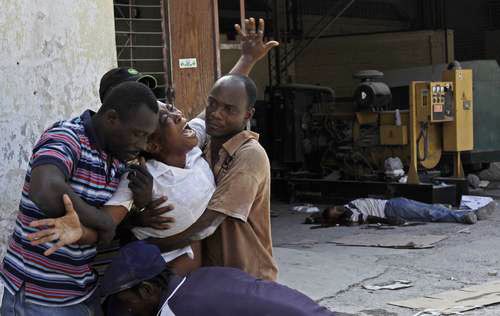
Cover Photo: This is an all too common abuse and/or misinterpretation of a photo from post earthquake Haiti. South Atlantic Press Agency, as well as MercoPress, used the AFP photo as an illustration (bait) for an article on gender violence in Haiti. You can find the original explanation for what happened here at an NBCRead More
The Story of the Haiti Earthquake Camps
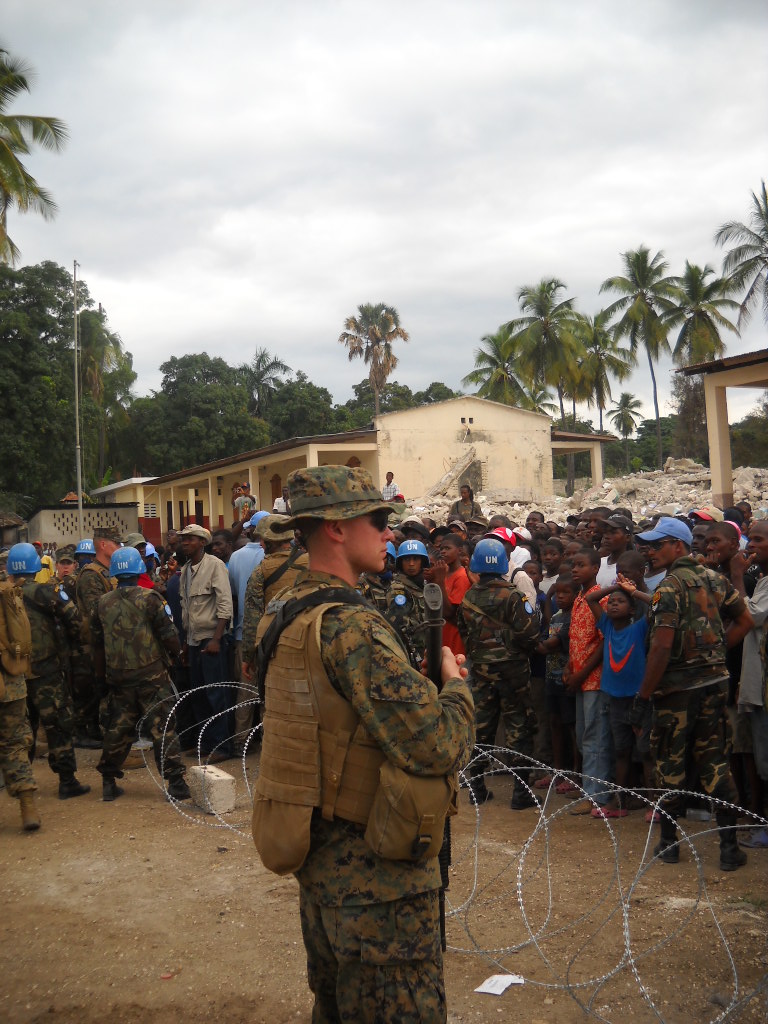
In the wake of the January 12, 2010 Haiti earthquake, the world witnessed the growth of what would become the largest refugee crisis on the planet. If we can believe claims from the United Nations, the US and the EU governments, and the humanitarian aid agencies that together received some $3 billion in donations fromRead More
Violent Women in Haiti: Ethnographic and Survey Data
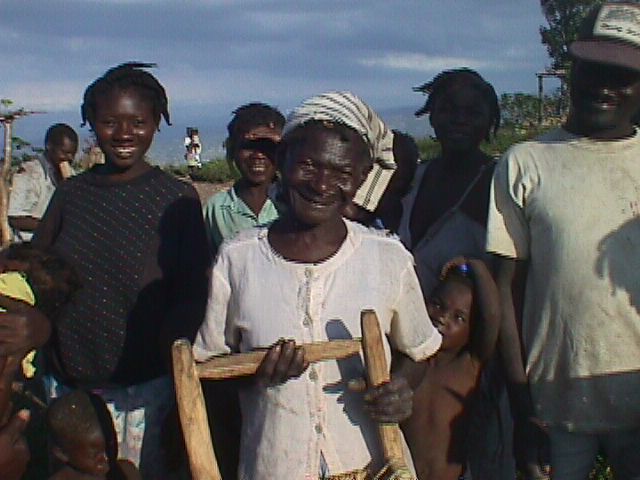
There is a great deal of concern in the NGO community about violence against Haitian women. Google ‘Haiti GBV’ and you’ll see that it’s a veritable rallying cry for feminine interventions and donations. It’s always good to help people, especially those who are victims of violence. But the vast majority of people seeking to helpRead More
Haiti Anthropology Brief: Eighteen Characteristics of Life in Rural Haiti that Every Aid Worker Should Know
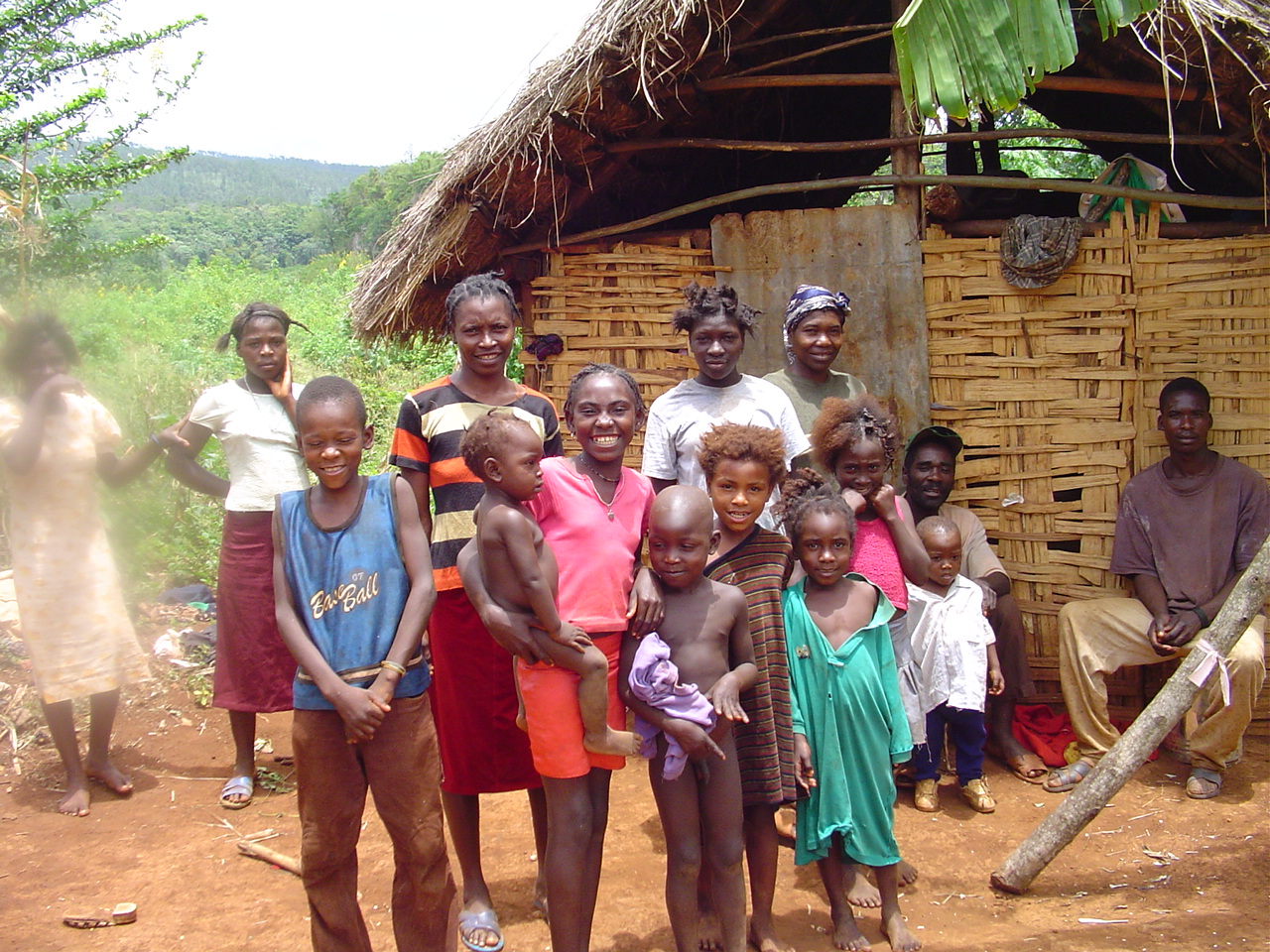
For at least the past 50 years Haiti has arguably been the most aided country on the planet, and arguably the country with the most dismal development record. Aid workers typically leave frustrated, not able to understand why rural Haitians will not adopt crops they promote, or the technologies and strategies that seem to soRead More
Haiti Anthropology Brief: Eight Questions About a Welfare System in Haiti
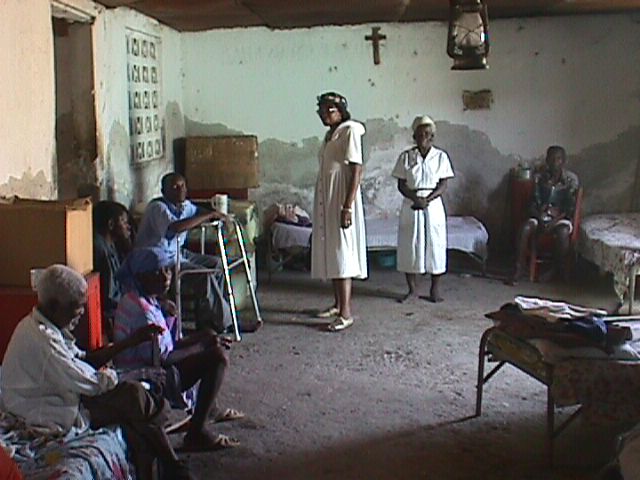
This post deals with the impact of a welfare system in Haiti. USAID, the World Bank, and WFP have proposed a type of welfare system for Haiti’s most vulnerable (see KORE LAVI program). While there are definitively many vulnerable people in Haiti, the idea of an institutionalized safety-net brings up questions that should be addressed. Read More
History of Haiti’s Fabricated Rape Epidemics
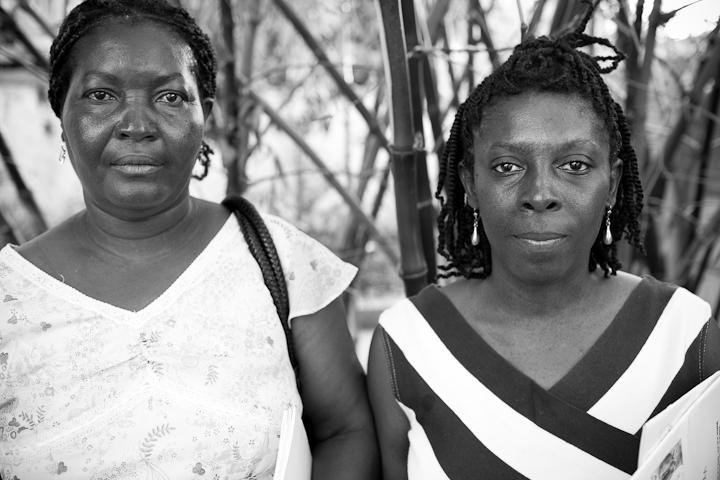
In this article I begin with the rape epidemic that supposedly shook Haiti following the 2010 earthquake and then trace back in time the role of international aid agencies, activists, foreign governments, Haitian politicians and Haitian opportunist aid entrepreneurs in creating what has become an industry of being “viktim.”
Email Updates
Get notified when new research is released by signing up below.