Value Chain Study: Cacao, Cashews, Castor Oil, & Breadfruit
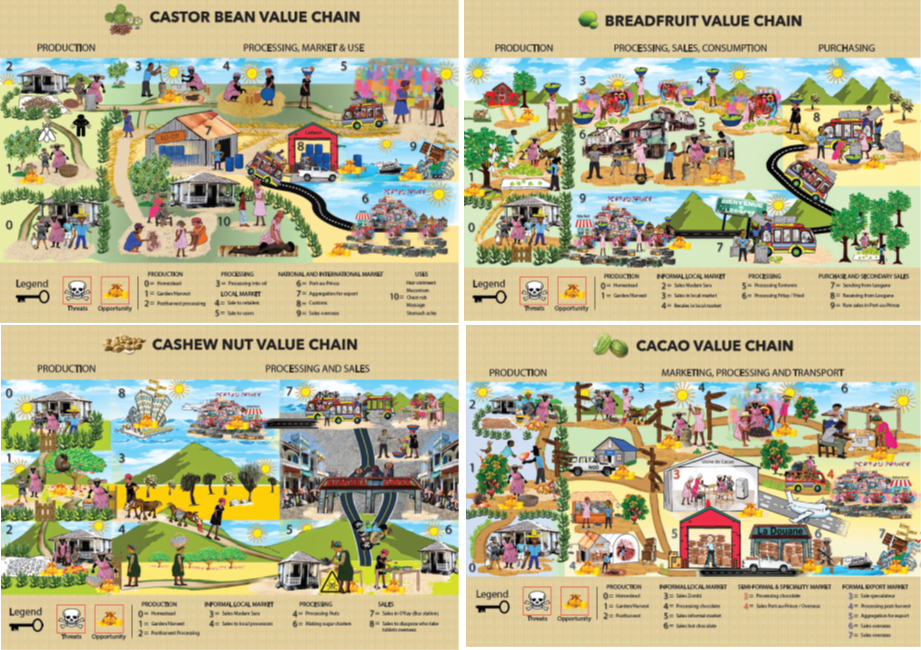
This document presents research on four value chains in Haiti: cacao, cashews, breadfruit and castor bean oil (ricin). The research was conducted in the context of the ILO project FOPRODER (2015-2020), that works through cooperatives and associations in Haiti to provide professional training and promote resiliency of value chains. Arguably the most important information inRead More
Understanding the Impact of Emigration in Haiti
In the 1960s and 1970s the typical gran neg or gran dam (Patron) in provincial Haiti was an individual belonging to a large family that, a) had more and better land than most people in the region, b) a better education, c) urban connections, but, d) was heavily invested in land, agricultural production, livestock rearingRead More
Haiti Anthropology Brief: Importance of Housebuilding and Local Cost of Building a House in Rural Haiti
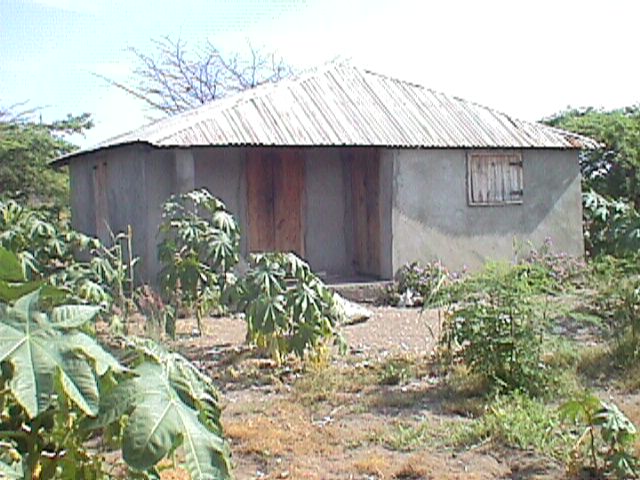
I have put this brief together with the post-earthquake housebuilding craze in mind. After the 2010 earthquake, international organizations did a lot of housebuilding in Haiti. Yet, there is a whole lot about the topic that seemingly no one at the time was interested in learning. And so here I want to get it downRead More
History of CARE International and USAID Development Efforts in Far West Haiti

This is a historical summary of CARE International’s activities in the region sometimes called “Far West” Haiti, specifically the Department of the North West communes of Jean Rabel, Mole St. Nicolas, Bombardopolis and the neighboring Department of the Artibonite commune, Anse Rouge. The reason the region is of interest to me is that between theRead More
History of Haiti’s Fabricated Rape Epidemics
In this article I begin with the rape epidemic that supposedly shook Haiti following the 2010 earthquake and then trace back in time the role of international aid agencies, activists, foreign governments, Haitian politicians and Haitian opportunist aid entrepreneurs in creating what has become an industry of being “viktim.”
Haiti Anthropology Brief: Institutional Reactions to Food Scarcity and Nutritional Crisis in Haiti
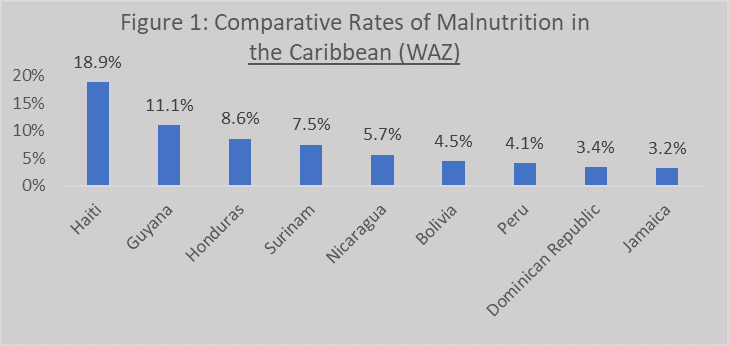
Going back some 50 years, there have been a series of international interventions meant to blunt the impact of food scarcity and nutritional crisis on impoverished Haitians, particularly mothers and children. The interventions include food aid, feeding strategies, introduction of fortified foods, and promotion of improved cultivars. This article summarizes these interventions, provides a reviewRead More
Anthropological Brief: Understanding Infant Nutritional Challenges in Haiti
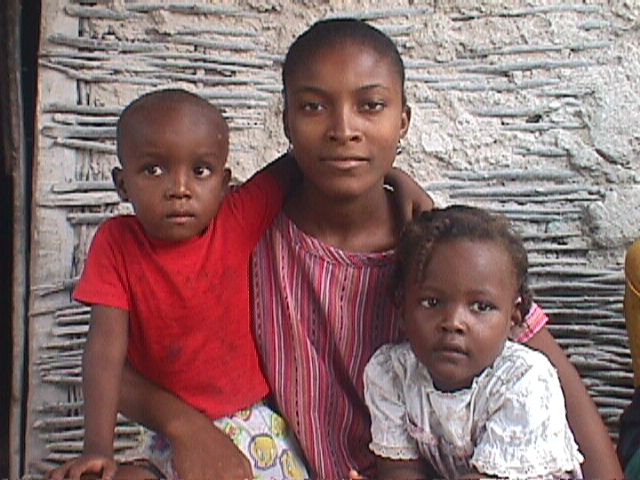
Infants in Haiti face an especially daunting set of nutritional challenges. The 1,000 days from conception to a child’s second birthday are the most critical period of a child’s physio-intellectual development. Children who are well nourished during this period become healthier and more intelligent adults who in turn are better able to feed and careRead More
A Model for Humanitarian Aid Beneficiary Targeting
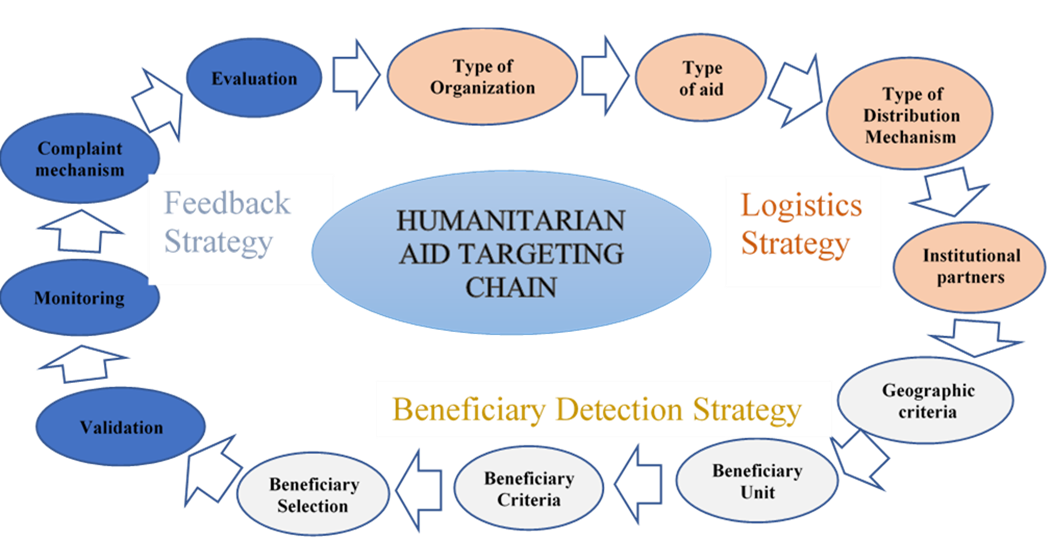
Targeting strategies are as old as humanitarian aid, but the formal study of targeting is recent, arguably only beginning in the past decade. To date, much of what is written is unclear. This paper is intended to present a synthesized model of humanitarian aid targeting that will clarify the many ambiguities and differences inRead More
Failure of the HDVI : Beneficiary Criteria, Indicators, and PMT (Proxy Means Test) in Haiti (Human Deprivation and Vulnerability Index)
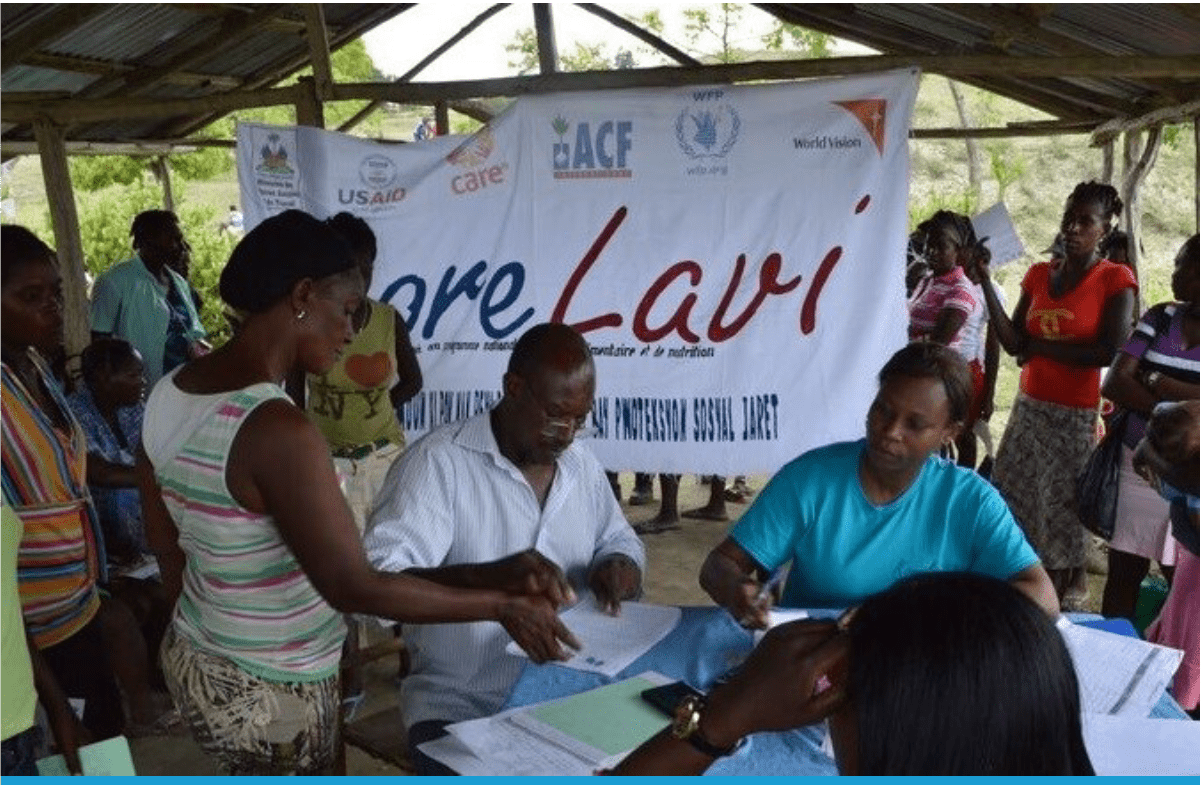
To identify most vulnerable beneficiaries, humanitarian organizations in Haiti have often used criteria based on expectations from elsewhere in the world, criteria that are often not based on data, and that, more often than not, fail in Haiti. The best and most controversial flood of examples comes from the World Bank/WFP/USAID supported HDVI (Humanitarian DeprivationRead More
History of Beneficiary Selection and Targeting in Haiti
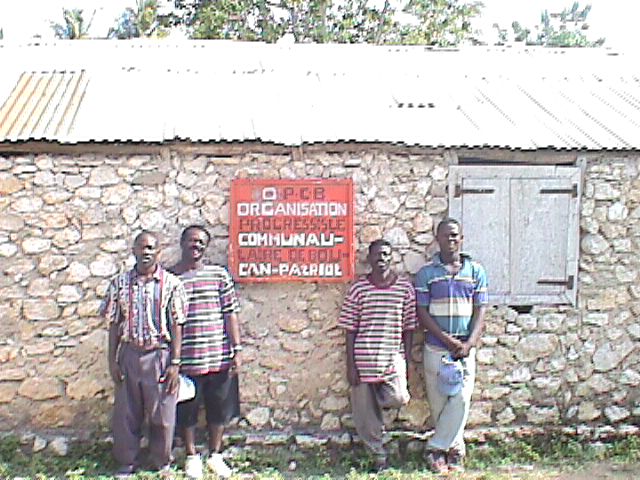
Here I review the history of humanitarian aid beneficiary targeting in Haiti. I begin in the 1950s and 1960s with the Community councils, move through the 1970s and 1980s looking at gwoupman and the liberation theology movement. Very importantly I show how the revolutionary Liberation Theology movement of the 1970s to 1990s that were intendedRead More
Email Updates
Get notified when new research is released by signing up below.