Cacao in Haiti Surveys and Report (CRS 2014)
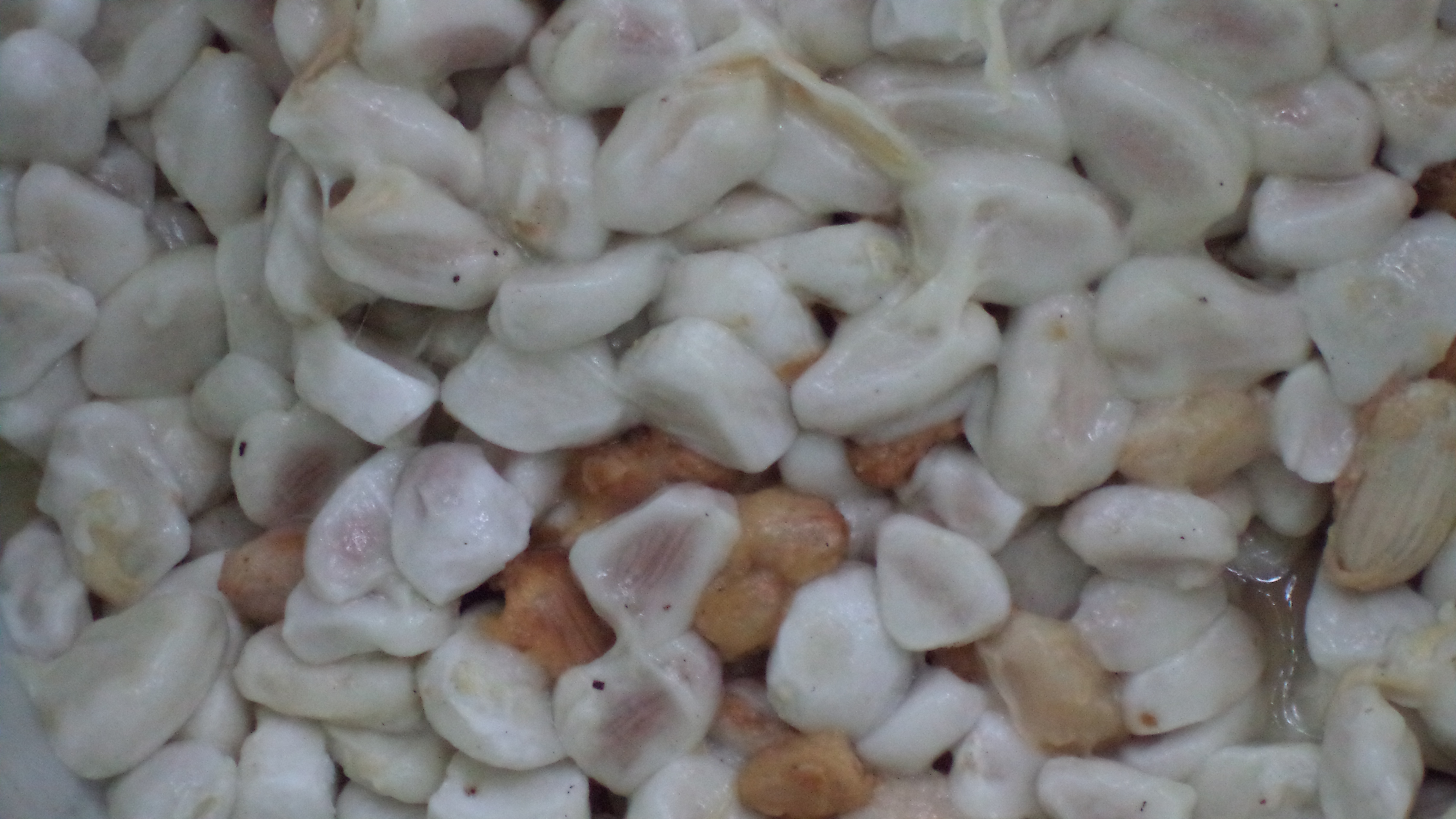
The research presented in this document was commissioned by CRS. The research was conducted under the auspices of Socio-Dig, a Haiti-based research company. The report is a baseline for the project, “Creating Alliances In Cocoa For Improved Access And Organization In Haiti.” The project was designed and funded by the International Development Bank with the goalRead More
Low Cost & Effective Alternative to the HDVI: Frequency Listing (WFP 2017)
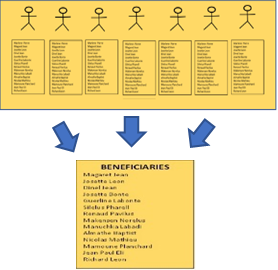
The freelisting based Frequency Listing (“Freq Listing”) is a statistically robust methodology developed by Timothy Schwartz of Socio-Dig (Haiti) for identifying local leader-experts (notab) and ultimately humanitarian aid beneficiaries. It comes to us from anthropology and mathematical models for studying informal sector and non-literate cultures and rests on the premise of “Culture as Consensus.” TheRead More
The Harsh World of Being an Aid Worker

It’s March 21st, two months and nine days after the 2010 Haiti earthquake. I’m seated at a table surrounded by five other diners, in a crowded outdoor restaurant, trying to work a legally undersized lobster tail out of its shell. The town in which this restaurant is located is called Jacmel. It’s a special place.Read More
“THEY SAID THAT I COULD HAVE A TENT!!!”
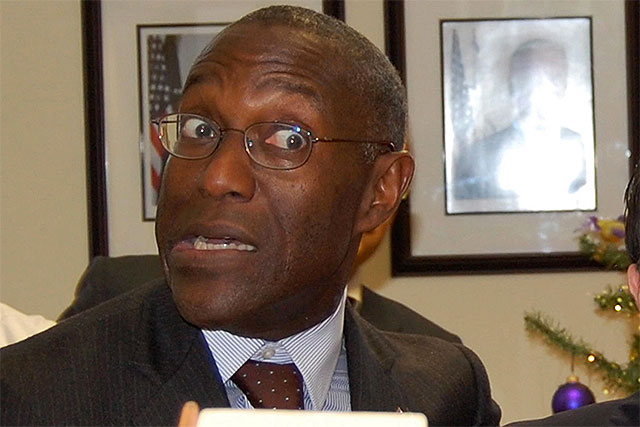
The man shouts, “THEY SAID THAT I COULD HAVE A TENT!!!” He is a lean, middle aged, handsome and strong featured black man and he’s furious. His eyes bug out and his cheeks puff up as he explodes again into a fit of shouting, “THEY SAID THAT I COULD HAVE A TENT!” He isRead More
BROKEN PROMISE: ANTHROPOLOGY AND THE HUMANITARIAN AID SECTOR
To explain, one has to understand the evolution of anthropology and humanitarian aid industry. The two are—or at least once were– intricately intertwined.
“Pronatal Sociocultural Fertility Complex” and “Sexual-Moral Economy”
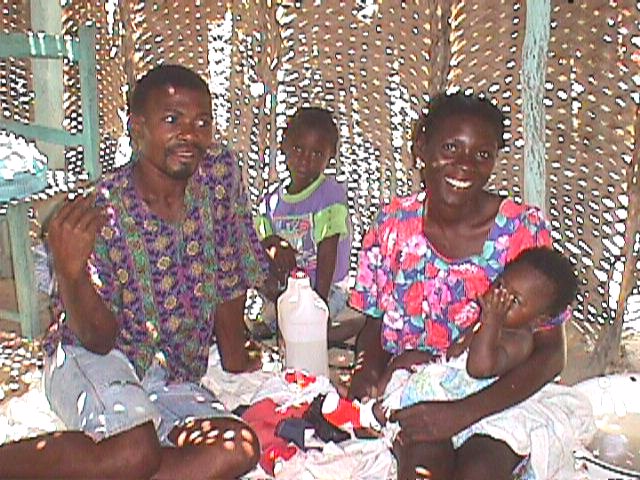
Researchers working in Haiti have long noted that rural parents were extremely pronatal. Both men and women hoped to have large families with many children. Social scientists typically explained the trend with “love” and “prestige,” “absence of contraceptives,” and “tradition” (Herskovits 1937: 89); “the desire to live with reason, and to die with dignity” (Lowenthal 1987: 305);Read More
Fewer Men, More Babies: The Problem with the ‘Proximate and Intermediate Determinants of Fertility’ in the Caribbean
Here I want to show how Bongaarts and Potter’s (1983) “proximate and intermediate determinants of fertility” are inconsistent with ethnographic reality in the early and mid-20th century Caribbean. To do this I examine one of the great demographic mysteries of the Caribbean: the irony of increasing birth rates when fewer men were present, i.e., fewerRead More
Anthropology of NGOs: How Activist Humanitarian Aid Agendas Corrupted Social Sciences in the Caribbean

The obscurantism of political and economic agendas has always pervaded discourse on Caribbean family patterns, but anthropology had a stronger materialist orientation in the early and mid-1900s, one that lent itself to rigorous analysis of causation. By the 1970s and 1980s, hope was fading. A fog of research agendas, convoluted analyses, ideational and cultural causalRead More
The Missing Link in Understanding Caribbean Family Patterns: The Neglected Half of Chayanov’s Rule
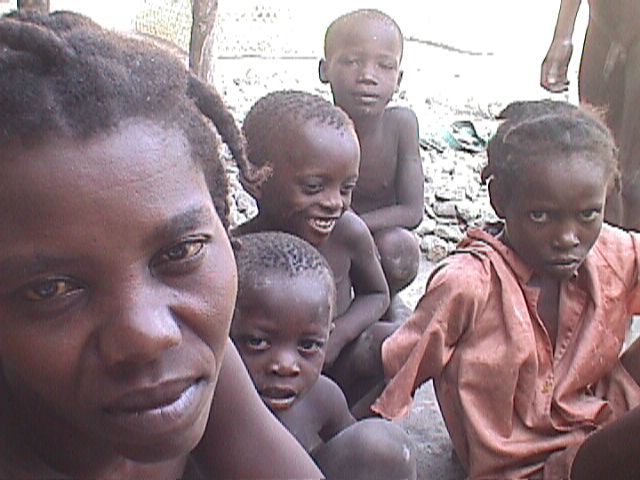
The basis of my arguments in this article is that children are useful on the non-industrialized farm because they work. The point might at first seem trite and obvious, but in recent decades social scientists have so rigorously denied the economic utility of children in developing areas that the denial itself is fascinating. Moreover, IRead More
Explaining Caribbean Family Patterns
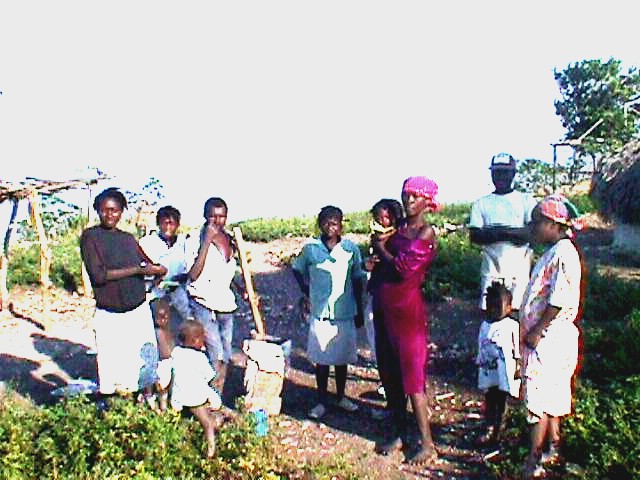
The anthropology of the Caribbean has been called “the battle ground for competing theories regarding family structure” (D’Amico-Samuels 1988: 785). Anthropologists were confounded by a distinct regional family structure, including late age at marriage, high rates of births to single women, matrifocality, child dispersal, de facto polygyny, serial monogamy, and severe beating of children. EarlyRead More
Email Updates
Get notified when new research is released by signing up below.