Polygyny in Haiti
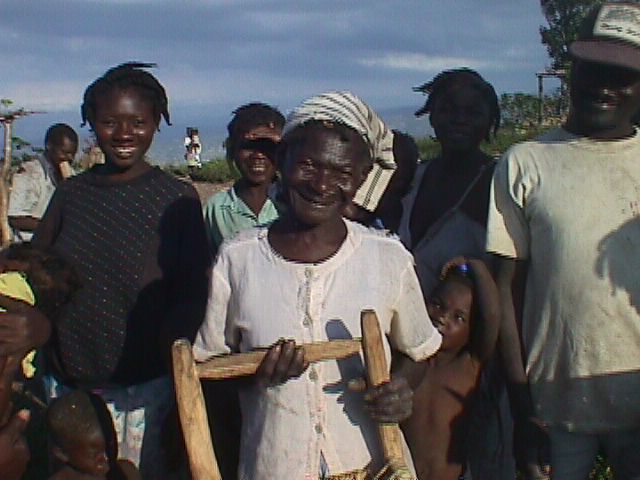
Little has changed in the 36 years since Melvin Ember (1974) admonished social researchers for what he called androcentric (male-centered) assumptions. The consequence, Ember warned, is too often a false image of the degree to which societies are patriarchic. This is especially true for Haiti. Most scholars and activists present Haitian women as among theRead More
Eggs in Haiti Surveys and Report (FCA 2015)

This report–commissioned by Finland Church Aid (FCA) and carried out under the Socio-Dig, a Haiti-based research company–focuses on egg production in Haiti with an emphasis on popular class rural household livelihood strategies. The study ultimately addresses the question, if equipped with the proper technological resources and financial support, could these households provide significantly more eggsRead More
Vulnerability Targeting Guide for Haiti (CNSA & WFP 2015)

This document is a summary of CNSA’s more comprehensive, Report on Beneficiary Targeting in Haiti: Detection Strategies. It is meant as a summary of that report and a beneficiary selection guide for organizations working in the humanitarian aid and development sectors. With input from Haiti’s CNSA, the World Food Program (WFP), the Food and AgriculturalRead More
North West Haiti Surveys and Report (IFAD 2015)
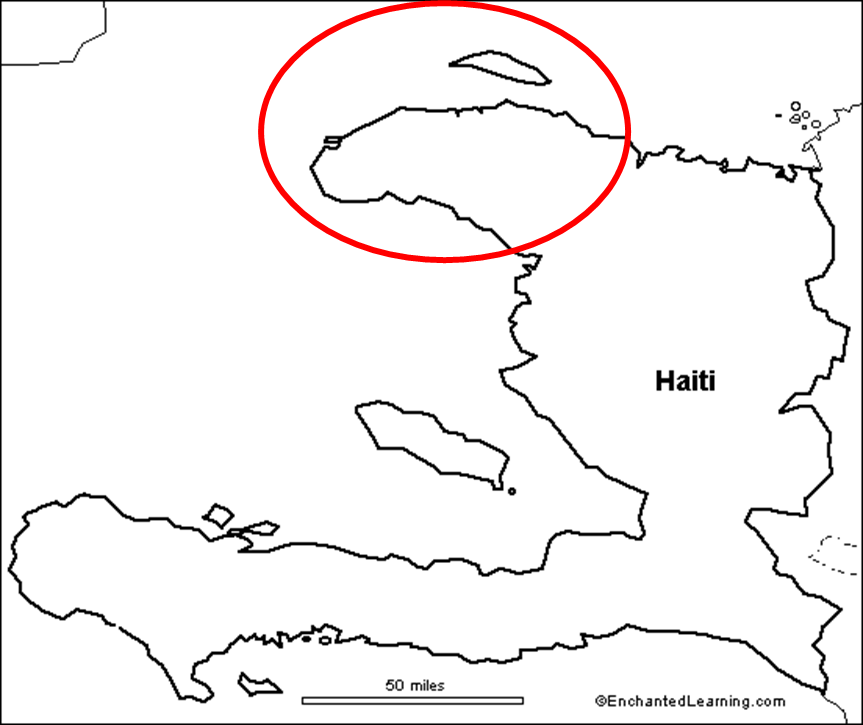
The objective of this annex was to provide the UN agency IFAD‘s with an entry point for understanding the production and marketing strategies among the targeted beneficiaries in North West, Haiti. There are some 700,000 women, men, and children in the Department of the North West and the commune of Anse Rouge. The majority liveRead More
Fishing in Haiti Surveys and Report (Haitian and German Red Cross 2012)
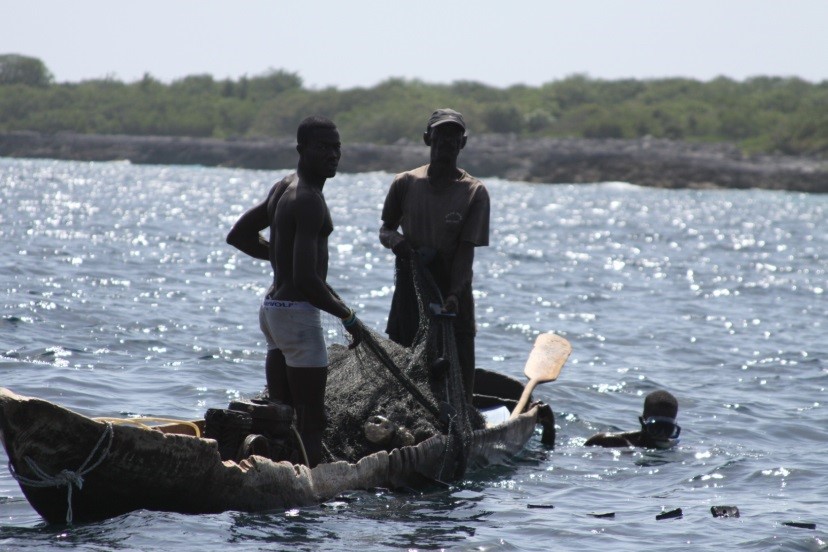
This study responds to a tender from The German Red Cross (GRC) in partnership with the International Federation of the Red Cross and Red Crescent Societies (IFRC) and the Haitian Red Cross (HRC). The research was conducted under the auspices of Socio-Dig, a Haiti-based research company. The objective was to help inform post hurricane Sandy Livelihoods/Food SecurityRead More
Gender in Haiti: Review of the Literature
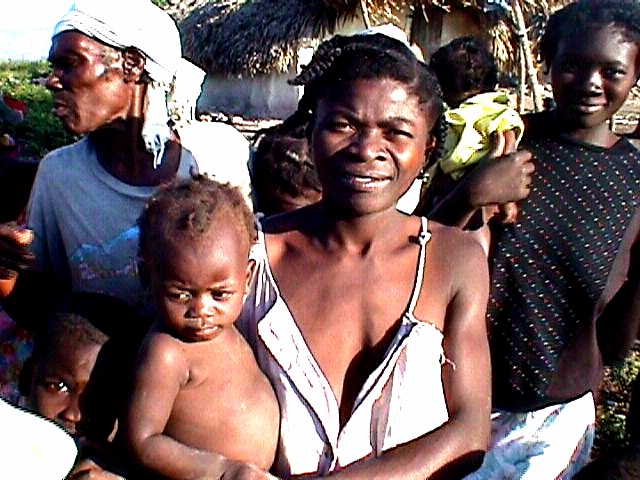
This is a much expanded version of two shorter blogs, ‘A Short Note about Gender in Haiti‘ and ‘More on Gender in Haiti.’ It sums up the radical misunderstanding that seemingly all NGOs and journalists as well as many scholars have presented of gender in Haiti before and after the earthquake.
Vulnerability Targeting in Haiti Report (WFP & CNSA 2015)
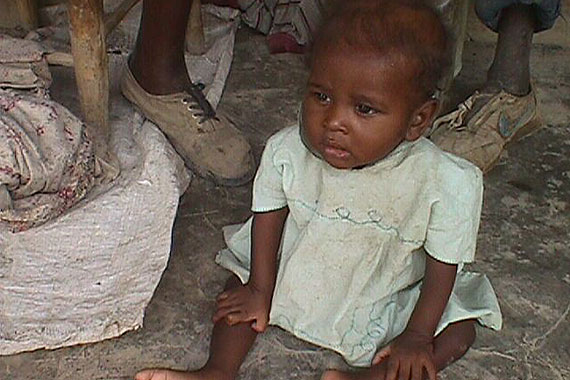
This study was commissioned by CNSA with the financial and logistic support of WFP and FAO. The objective was to examine the processes that NGO and governmental agencies employ to select beneficiaries of social assistance programs in rural Haiti. The task responds to needs associated with current humanitarian aid and development programs such as: EdeRead More
Children of Haiti: The Haitian Restavek and Child Slavery
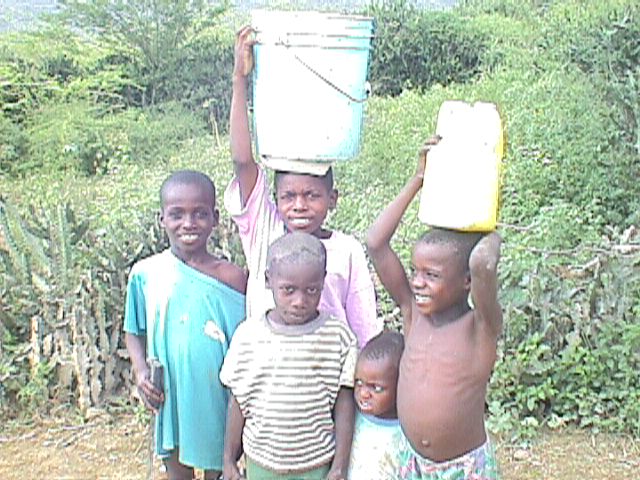
The cry ‘child slavery’ grabbed world attention in 1998 when Haitian-born Jean-Robert Cadet published his shocking autobiography, From Haitian Slave Child to Middle-Class American, in which he recounted his life as a restavek, the Haitian Creole word for child domestic servant. As the Cadet Foundation website tells potential donors, “As a restavek he lost hisRead More
Methods: EMMA Maps for Post Earthquake Agricultural Labor in Jacmel (Red Cross 2010)
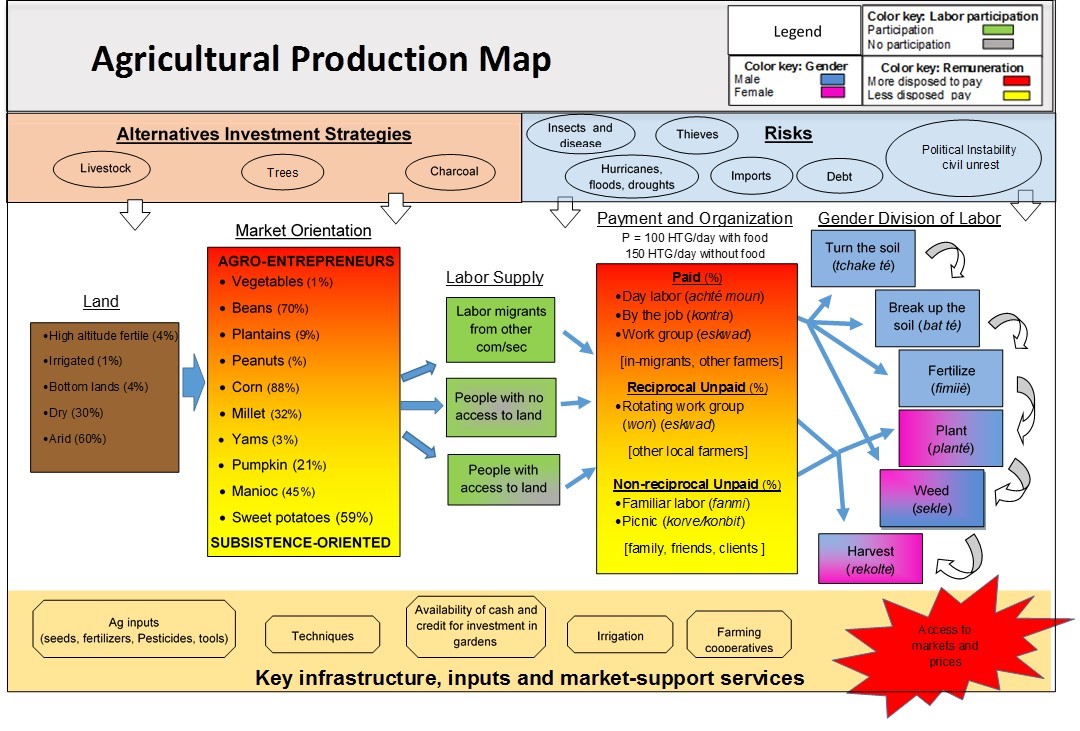
Originally published in February 2012 on Open Salon Here I share two EMMA (Emergency Marketing Map Analyses). The reason I am putting them here is because they don’t exist anywhere else. My employers for the job for which they were produced didn’t appreciate them. Apparently they didn’t approve of the use of color gradients andRead More
Madam Sara vs. Komèsan: Subsidizing Self Destruction
Originally published in January 2012 on Open Salon Madan Sara The madam sara (or phonetically madan sara) is the itinerant female Haitian market woman. She is the principal accumulator, mover, and distributor of domestic produce in Haiti and as such represents the most critical component in what anthropologists have long called the internal Haitian marketing system, the one upon whichRead More
Email Updates
Get notified when new research is released by signing up below.