The Joining of Science, Art and Aid: Visual Ethnography and MEVMS (Multidimensional Ethnographic Value-Chain Mapping Strategy)
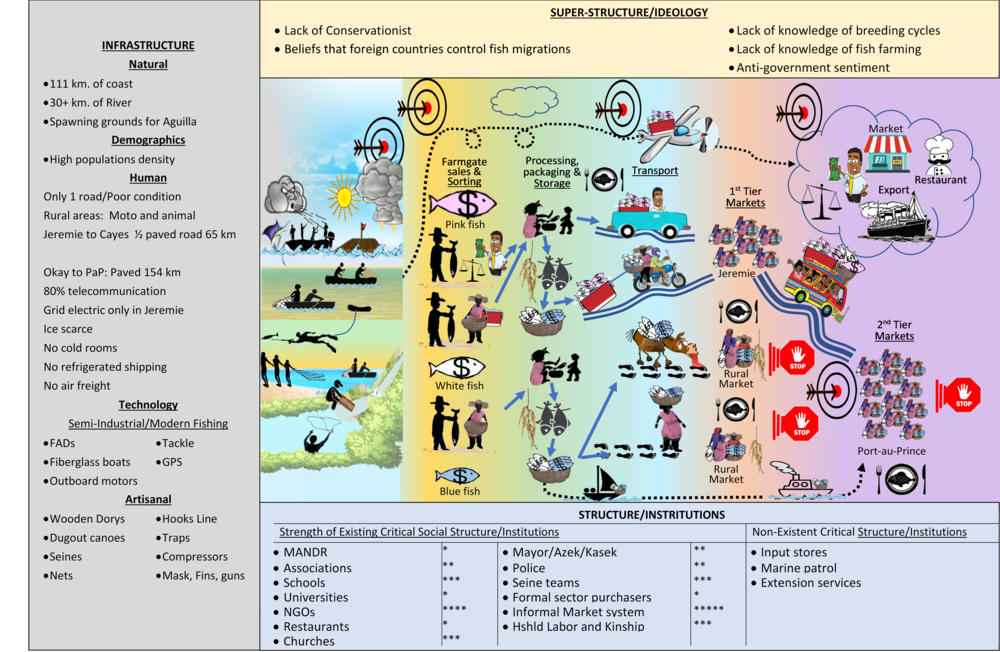
A picture is indeed worth a thousand words. What is the MEVM Strategy? MEVMS (Multi-Dimensional Ethnographic Value-Chain Mapping Strategy) is an intuitive, user-friendly research and presentation strategy for creatively documenting, organizing, understanding, and explaining Value Chain networks for a product or service that generates critical income to an economically insecure population. Data on a valueRead More
Logo Icon Comparison Marketing Technique in Haiti
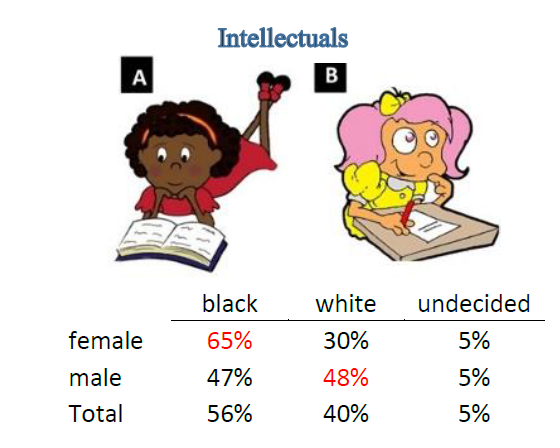
I developed this marketing strategy in association with Socio-Dig. The challenge was that MFK (Meds and Foods for Kids) wanted to select a marketing logo to put on fortified snacks for Haitian children. They had two logos already selected and they wanted to make sure they were the right logos, meaning logos children would like.Read More
Test of Freq-Listing in Maissade, Haiti (based on freelisting)
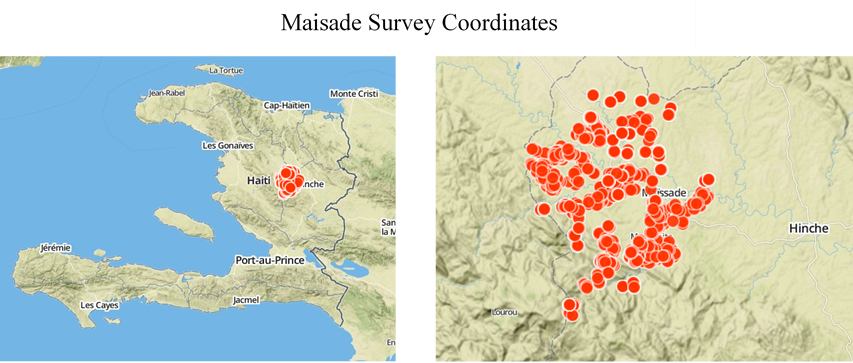
Here is an example of a test of the freq-listing technique (based on freelisting) used as rural vulnerability targeting strategy, i.e. to identify most vulnerable households. The actual research was conducted by Socio-Dig, a Haiti-based research company. The surveys were conducted in May 2014 on behalf of CNSA (Coordination Nationale De La Sécurité Alimentaire), a para-statal HaitianRead More
Freelisting based Notab Leadership and Key Informant Network Strategy (NOLKINS): How and Why it could Revolutionize Humanitarian Aid
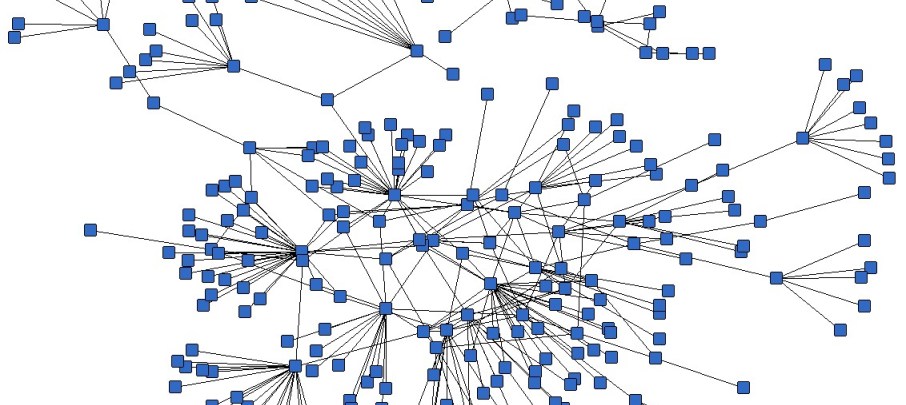
How and Why it’s Revolutionary Frequency-Listing, or “Freq-listing” (based on freelisting) and the Notab Leadership and Key Informant Network Strategy (NOLKINS) is not a political strategy. Rather it is a strategy for engaged development. But in coming to understand how it works and why it can be so effective, it helps to think of itRead More
Estimating Rape in Post Earthquake Haiti: Scaling up Technique
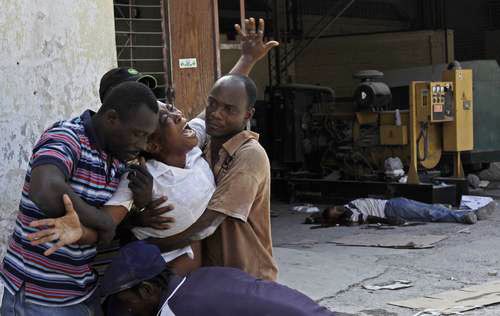
For an explanation of the above photo and visual fake news about Haiti from South Atlantic Press Agency, click here. This White Paper is important for two reasons. 1) It is more evidence that the 2010-2012 post-earthquake Haiti rape epidemic was contrived by a combination of overly-ambitious activists, aid workers looking for a dramatic cause,Read More
Resiklaj Digital (Digital Recycling) and a MOP (Mode of Production) Map for Rural Haiti
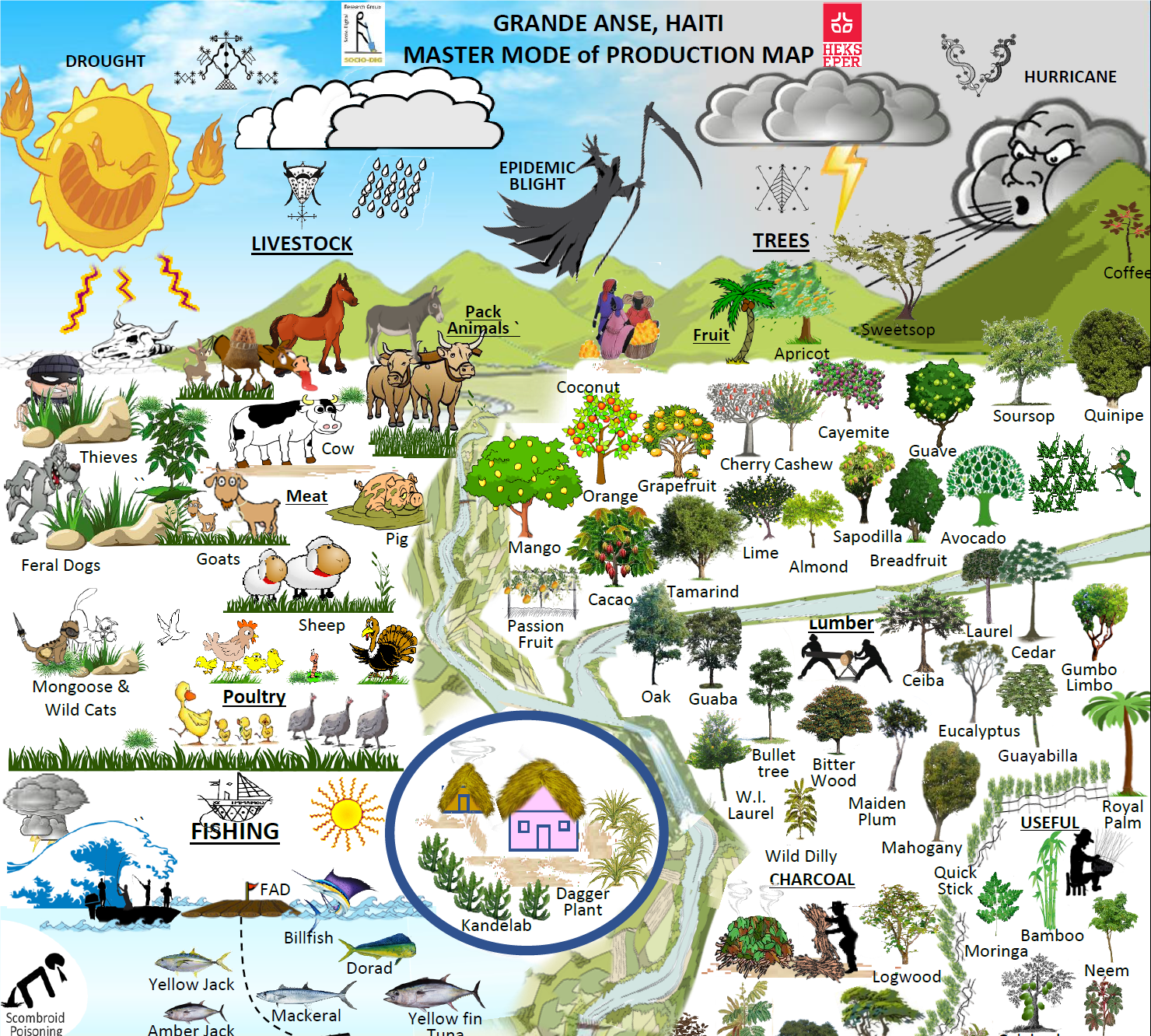
The imaga above–and the fuller version below–is an example of what we are calling “resiklaj dijital.” The idea first occurred to me when I was working with an organization called Ethical Fashion Initiative. Like the artisan genre from which we got the name (resiklaj), resiklaj digital involves, salvaging, cutting, and collating any medium we canRead More
Mangos (TechnoServ/USAID/Coca Cola/IDB 2015)
This is an evaluation of Haiti Hope Mango Project, supported by USAID, Coca-Cola, and the IDB and implemented by TechnoServe from 2011 to 2015. The research was conducted under the auspices of Socio-Dig, a Haiti-based research company. I think the research is particularly useful for anyone interested in the Haiti agricultural sector and especially exports. The reportRead More
Haiti Orphanage Report (UNICEF/IBESR 2013): Unpublished
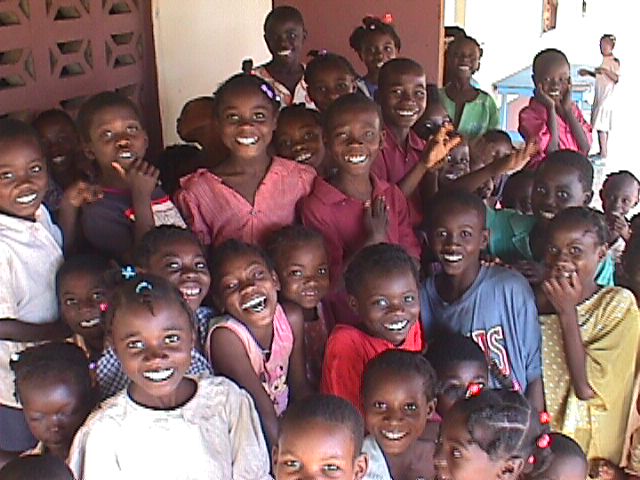
This is the controversial UNICEF/IBESR report, conducted by Sociodig, a Haiti-based research company. I’ll let interested readers be the judge regarding the quality of the work. But as can be seen from the report, it was a massive amount of research. Quite simply, there is no study of orphanages in Haiti that comes close to itsRead More
IDP Camp Rental Subsidy Survey and Report (OCHA 2017)
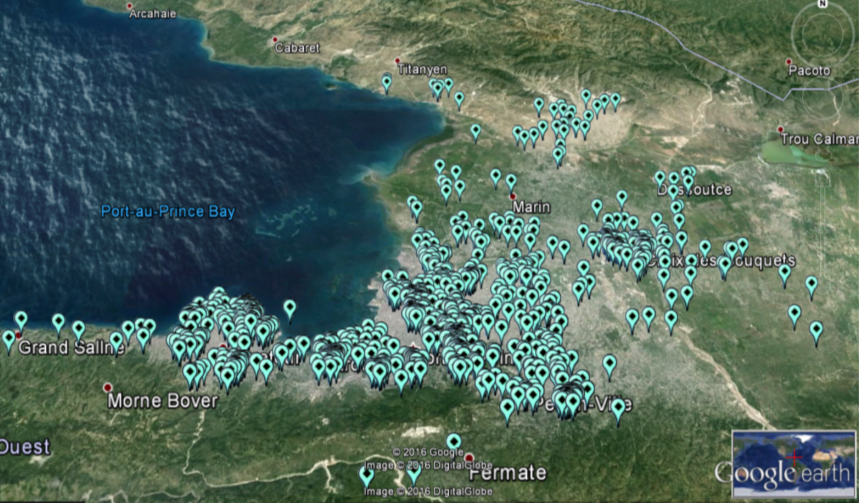
The study described in this report was funded by the EU and commissioned by OCHA, and members of the Haiti post-earthquake Camp Cluster. The research was conducted under the auspices of Socio-Dig, a Haiti-based research company. The report focuses on an evaluation of Income Generating Activities (IGA) that accompanied rental subsidy programs in Haiti between 2013 andRead More
Cacao Value Chain Survey Report (Root Capital 2013)
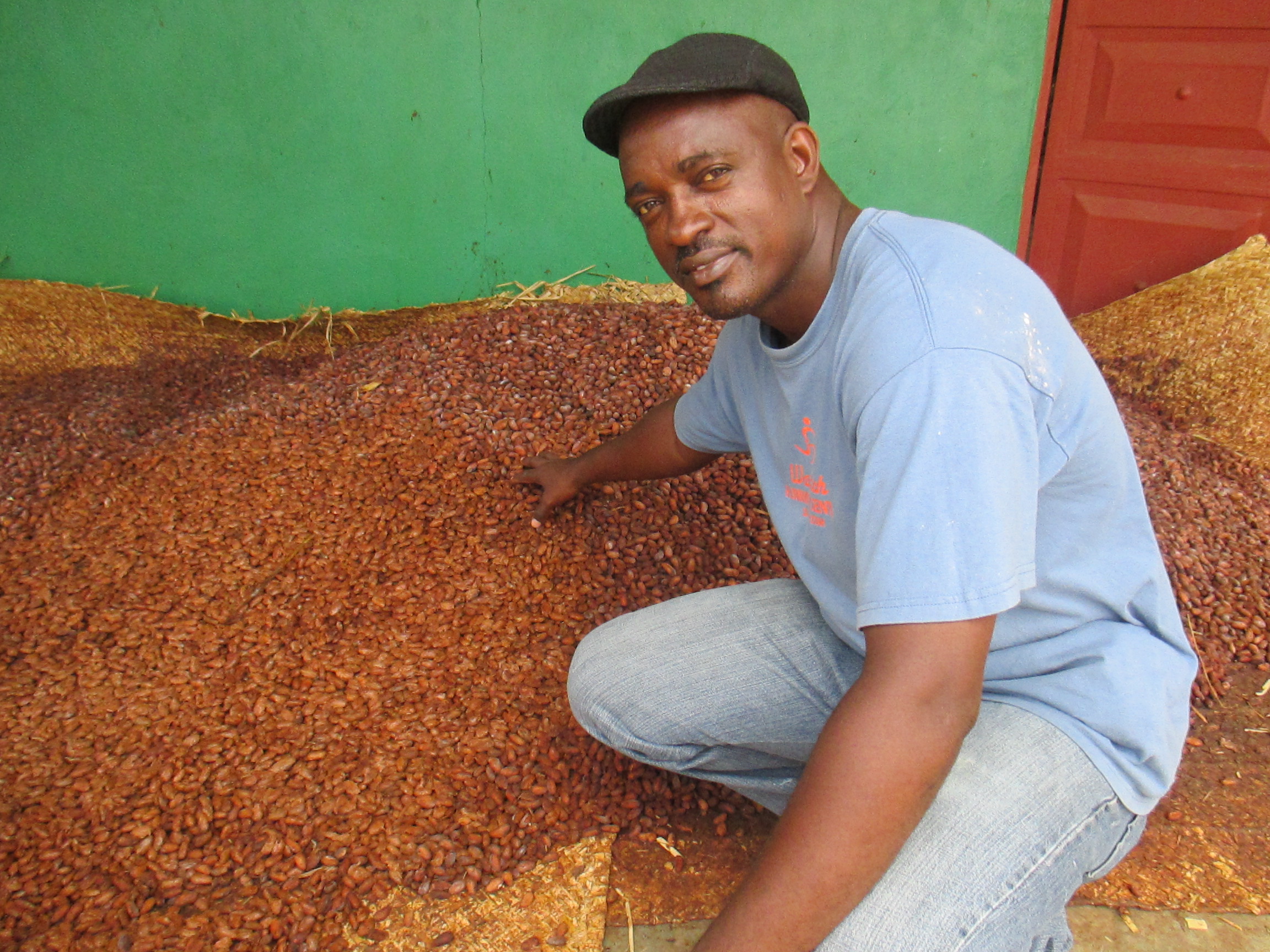
This document describes a cocoa (cocoa) producer survey of a 201 households. The survey was conducted in the Department of the Grand Anse, Haiti. The study responds to a tender from Root Capital for an investigation into cocoa production in three Grand Anse communes (counties): Dame-Marie, Anse d’Hainault, and Chambellan. Haiti_Cacao_Baseline_10_14_2014
Email Updates
Get notified when new research is released by signing up below.