Street Food in Haiti
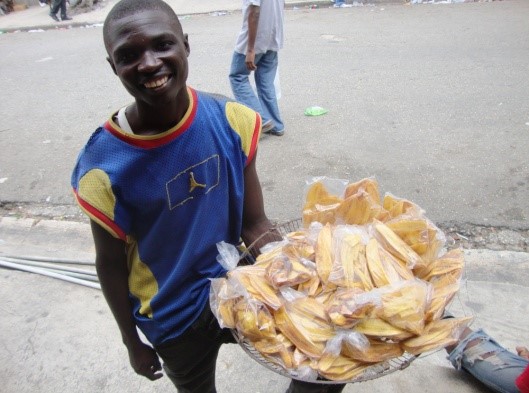
This article describes and attempts to explain the recent growth in Haiti’s street food cottage industries. Underlying the growth in street foods is urbanization and challenges that come with it. The challenges can be summed up as, “The Food Preparation Conundrum,” which can be further broken down into problems that the the street food industryRead More
HAITI MANGO FACTS
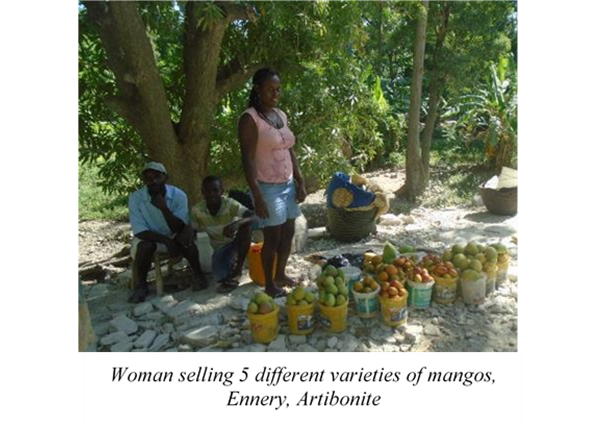
While Haiti tree crops coffee and cacao have gone from being world leaders to close to no exports at all, mangos have gone the other direction, first becoming a Haiti export crop only in 1954 and then rising to the 2015 record season of 2.48 million boxes (4.5 kg/box). After Vetiver—contrary to claims, a veritableRead More
The Joining of Science, Art and Aid: Visual Ethnography and MEVMS (Multidimensional Ethnographic Value-Chain Mapping Strategy)
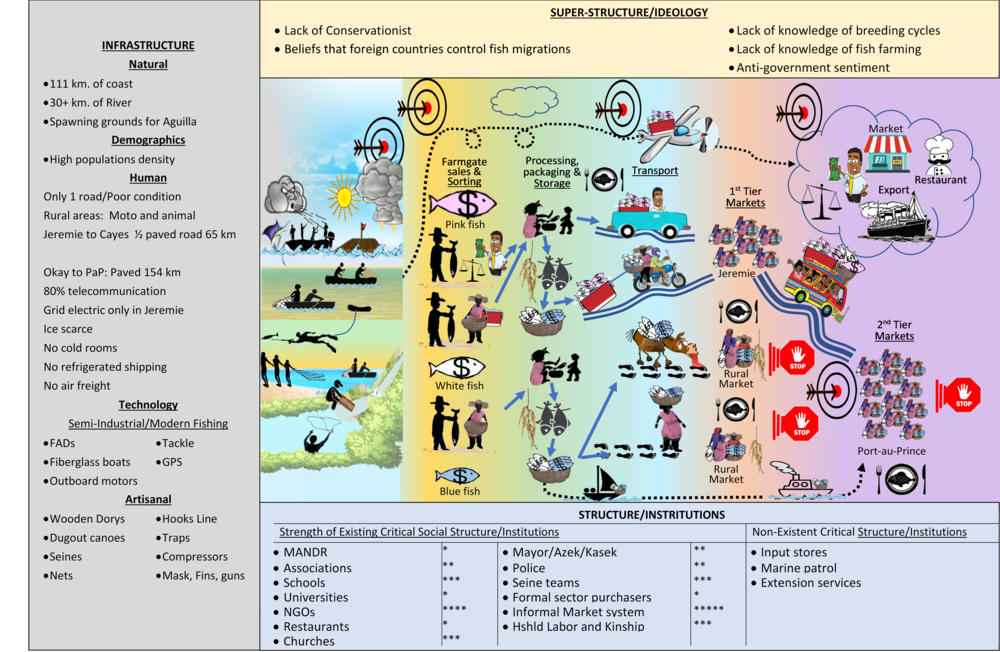
A picture is indeed worth a thousand words. What is the MEVM Strategy? MEVMS (Multi-Dimensional Ethnographic Value-Chain Mapping Strategy) is an intuitive, user-friendly research and presentation strategy for creatively documenting, organizing, understanding, and explaining Value Chain networks for a product or service that generates critical income to an economically insecure population. Data on a valueRead More
Resiklaj Digital (Digital Recycling) and a MOP (Mode of Production) Map for Rural Haiti
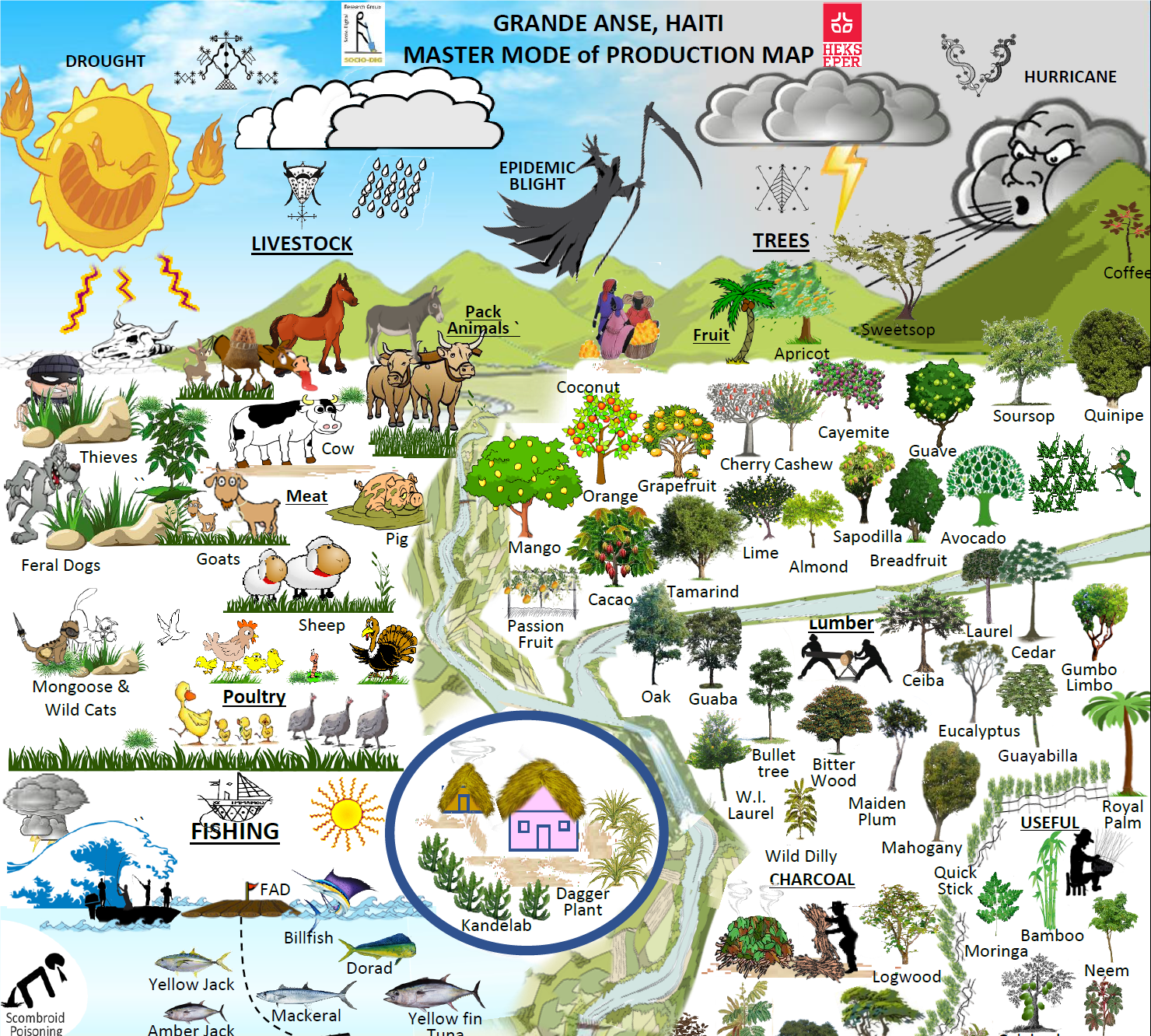
The imaga above–and the fuller version below–is an example of what we are calling “resiklaj dijital.” The idea first occurred to me when I was working with an organization called Ethical Fashion Initiative. Like the artisan genre from which we got the name (resiklaj), resiklaj digital involves, salvaging, cutting, and collating any medium we canRead More
Mangos (TechnoServ/USAID/Coca Cola/IDB 2015)
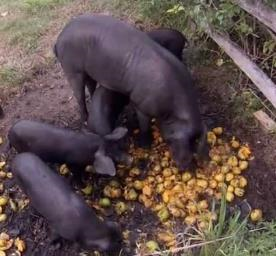
This is an evaluation of Haiti Hope Mango Project, supported by USAID, Coca-Cola, and the IDB and implemented by TechnoServe from 2011 to 2015. The research was conducted under the auspices of Socio-Dig, a Haiti-based research company. I think the research is particularly useful for anyone interested in the Haiti agricultural sector and especially exports. The reportRead More
Cacao Value Chain Survey Report (Root Capital 2013)
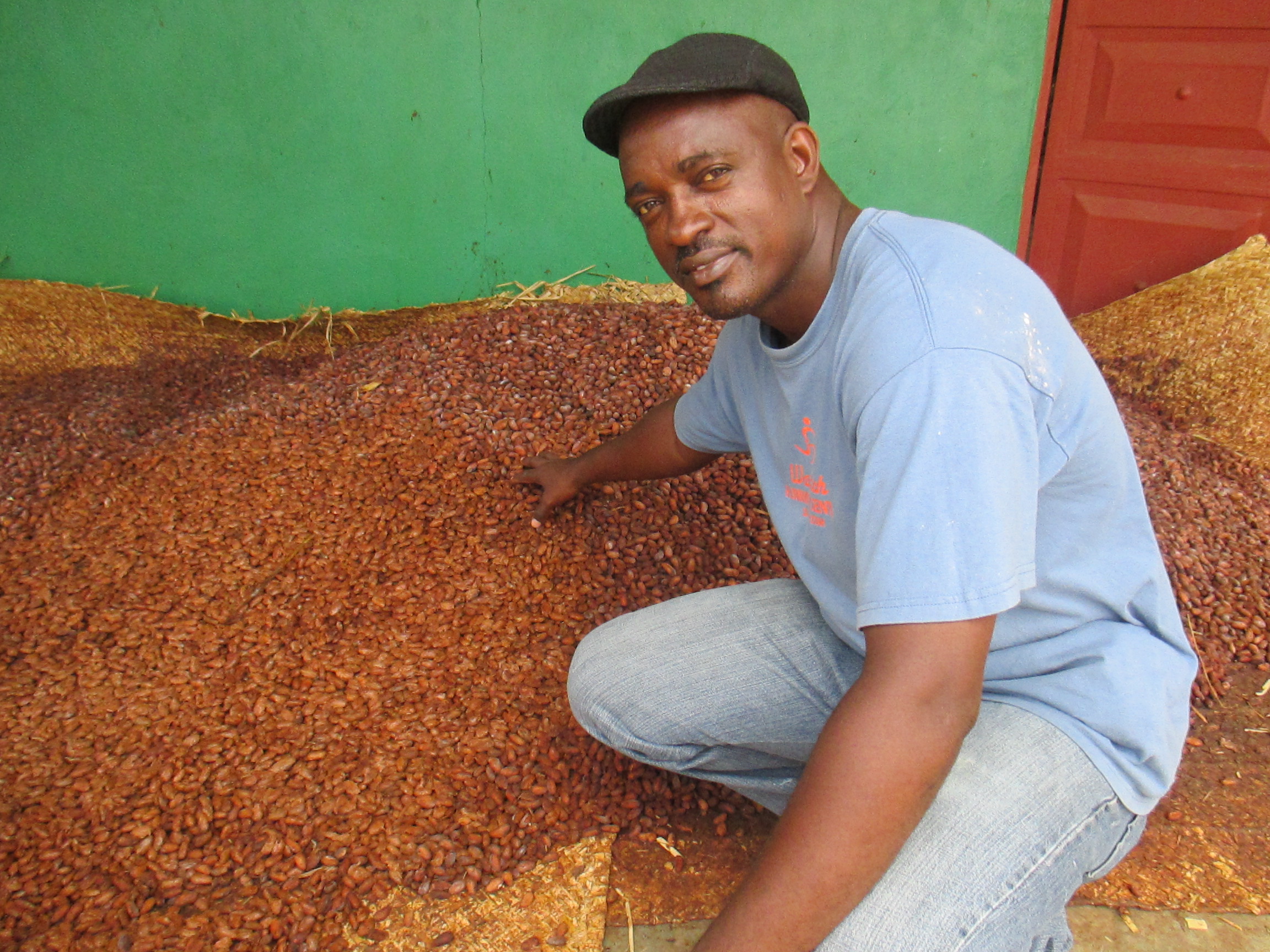
This document describes a cocoa (cocoa) producer survey of a 201 households. The survey was conducted in the Department of the Grand Anse, Haiti. The study responds to a tender from Root Capital for an investigation into cocoa production in three Grand Anse communes (counties): Dame-Marie, Anse d’Hainault, and Chambellan. Haiti_Cacao_Baseline_10_14_2014
Cacao in Haiti Surveys and Report (CRS 2014)
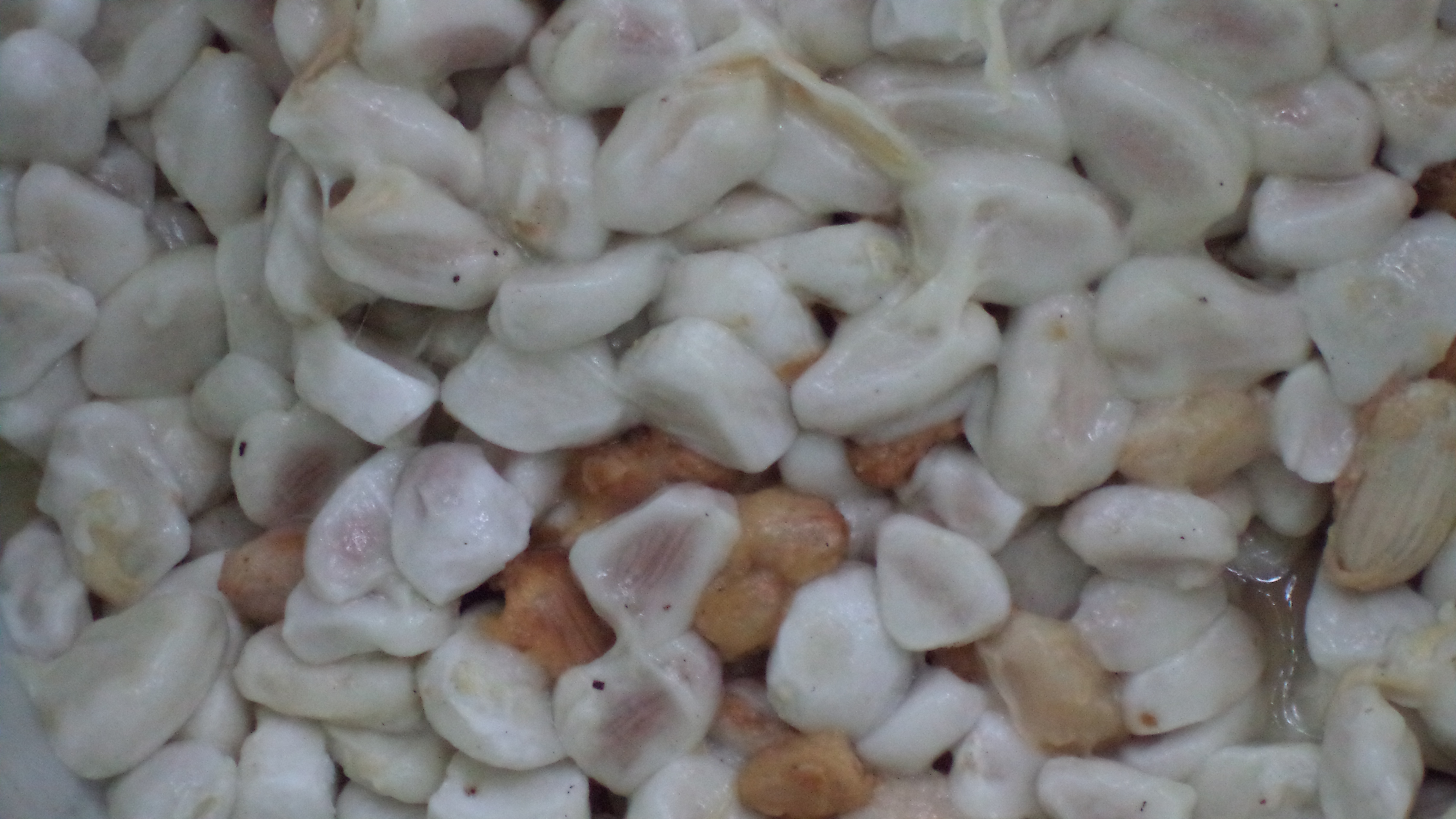
The research presented in this document was commissioned by CRS. The research was conducted under the auspices of Socio-Dig, a Haiti-based research company. The report is a baseline for the project, “Creating Alliances In Cocoa For Improved Access And Organization In Haiti.” The project was designed and funded by the International Development Bank with the goalRead More
Eggs in Haiti Surveys and Report (FCA 2015)

This report–commissioned by Finland Church Aid (FCA) and carried out under the Socio-Dig, a Haiti-based research company–focuses on egg production in Haiti with an emphasis on popular class rural household livelihood strategies. The study ultimately addresses the question, if equipped with the proper technological resources and financial support, could these households provide significantly more eggsRead More
Fishing in Haiti Surveys and Report (Haitian and German Red Cross 2012)
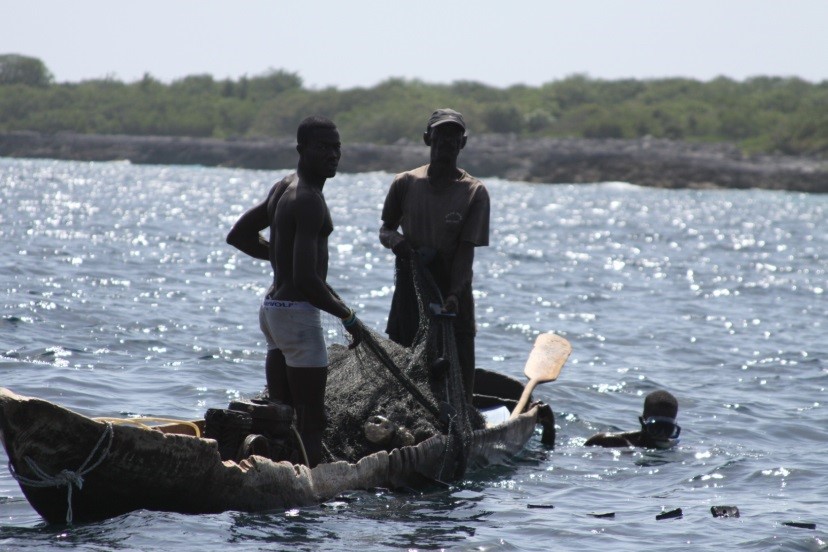
This study responds to a tender from The German Red Cross (GRC) in partnership with the International Federation of the Red Cross and Red Crescent Societies (IFRC) and the Haitian Red Cross (HRC). The research was conducted under the auspices of Socio-Dig, a Haiti-based research company. The objective was to help inform post hurricane Sandy Livelihoods/Food SecurityRead More
Methods: EMMA Maps for Post Earthquake Agricultural Labor in Jacmel (Red Cross 2010)
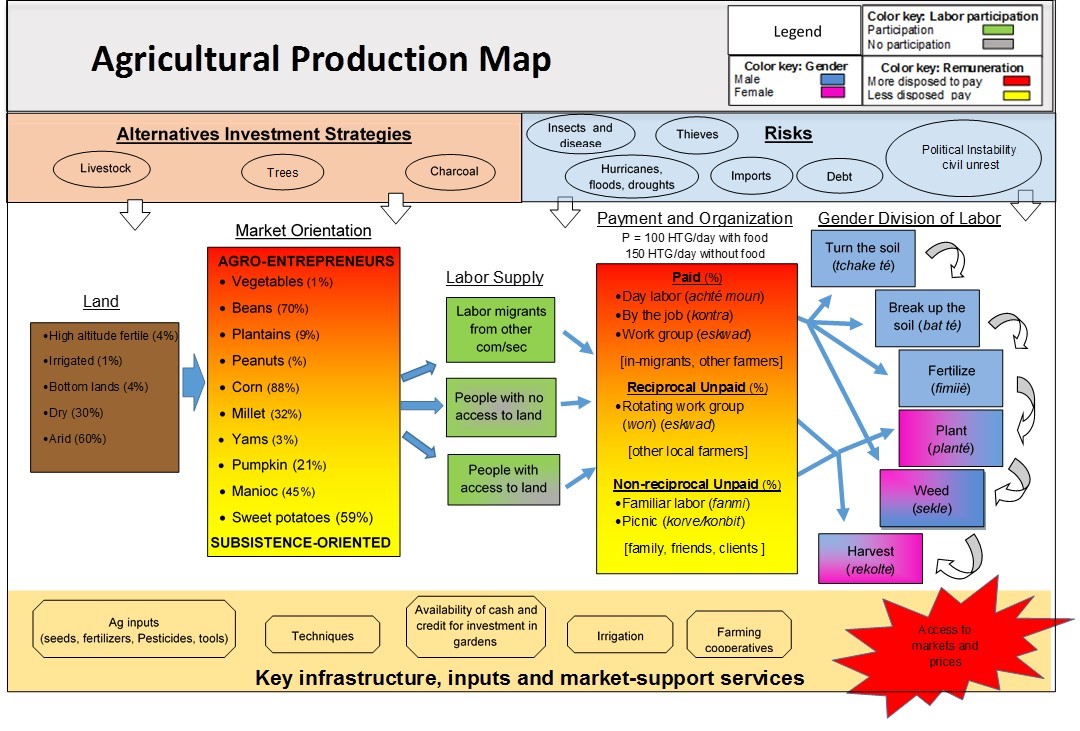
Originally published in February 2012 on Open Salon Here I share two EMMA (Emergency Marketing Map Analyses). The reason I am putting them here is because they don’t exist anywhere else. My employers for the job for which they were produced didn’t appreciate them. Apparently they didn’t approve of the use of color gradients andRead More
Email Updates
Get notified when new research is released by signing up below.