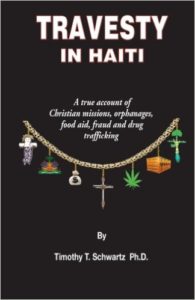
USAID Funded Chemonics Mango Travesty: WHAT’S WRONG WITH THIS PICTURE?
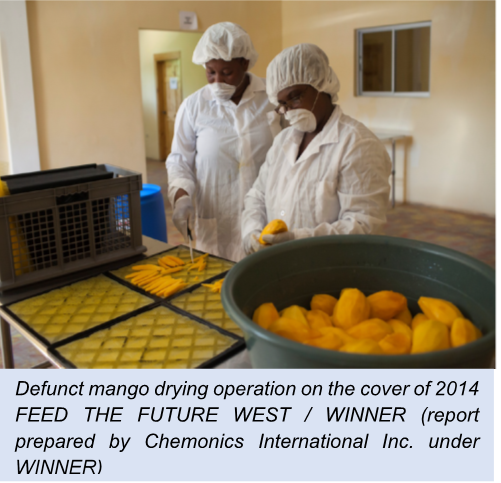
USAID/IDB/Coca Cola funded Haiti Hope project invested in processing enterprises, and failed in every attempt. A good example comes from l’Unité de Séchage de Fruits à Mirebalais–The Fruit Drying Operation in Mirabalais–funded by USAID/WINNER’s $127 million Feed the Future West project and operated by the Mirebalais association ADAIM (Association pour le développement agro-industriel de Mirebalais).Read More
Travesty of the Haiti vs. Dominican Mango Industry
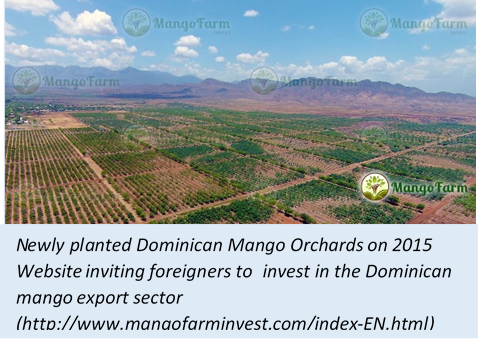
While Haiti absorbed some US $120 million of investments in the mango sector and did not significantly increase mango exports, the Dominican Republic created a mango export industry. In 1989 they only had 1,250 hectares planted in orchards. By 2006 that figure had tripled to 4,400 hectares. As for exports, they went from 8,222 boxesRead More
HAITI MANGO FACTS
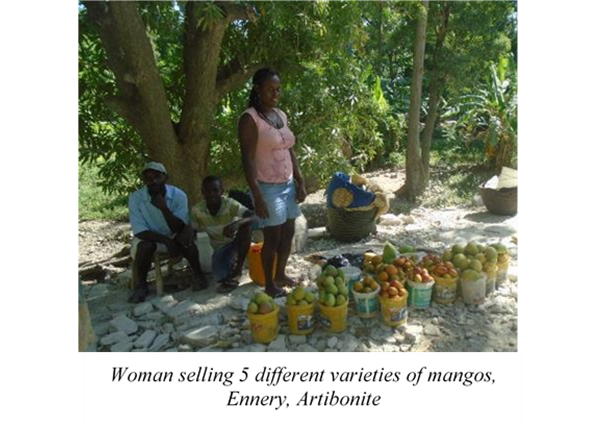
While Haiti tree crops coffee and cacao have gone from being world leaders to close to no exports at all, mangos have gone the other direction, first becoming a Haiti export crop only in 1954 and then rising to the 2015 record season of 2.48 million boxes (4.5 kg/box). After Vetiver—contrary to claims, a veritableRead More
The Joining of Science, Art and Aid: Visual Ethnography and MEVMS (Multidimensional Ethnographic Value-Chain Mapping Strategy)
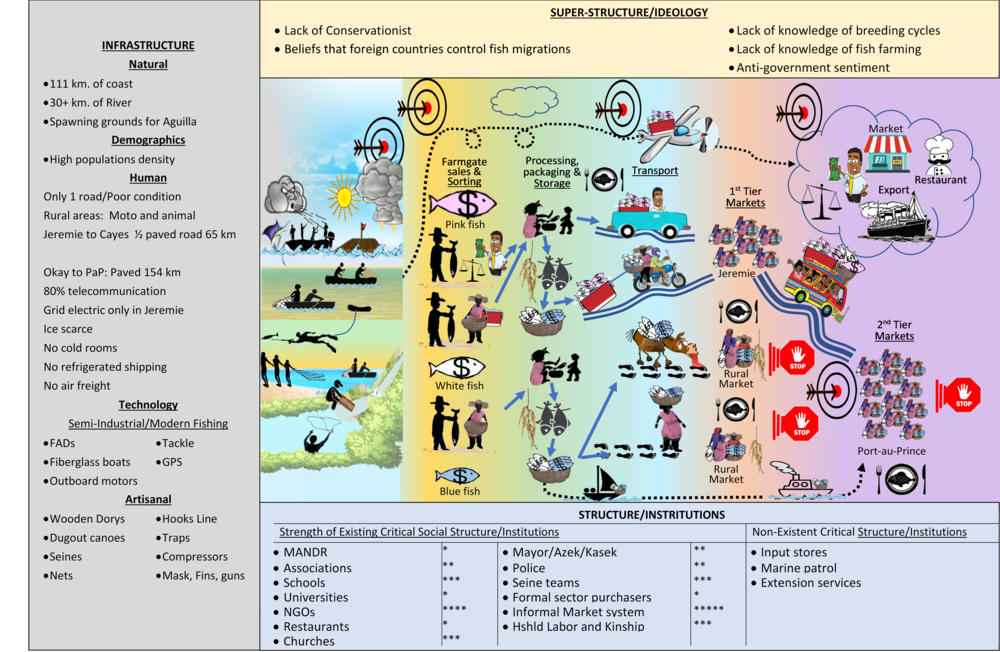
A picture is indeed worth a thousand words. What is the MEVM Strategy? MEVMS (Multi-Dimensional Ethnographic Value-Chain Mapping Strategy) is an intuitive, user-friendly research and presentation strategy for creatively documenting, organizing, understanding, and explaining Value Chain networks for a product or service that generates critical income to an economically insecure population. Data on a valueRead More
Logo Icon Comparison Marketing Technique in Haiti
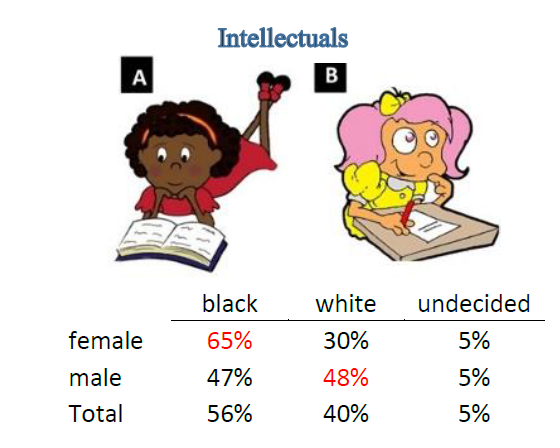
I developed this marketing strategy in association with Socio-Dig. The challenge was that MFK (Meds and Foods for Kids) wanted to select a marketing logo to put on fortified snacks for Haitian children. They had two logos already selected and they wanted to make sure they were the right logos, meaning logos children would like.Read More
Test of Freq-Listing in Maissade, Haiti (based on freelisting)
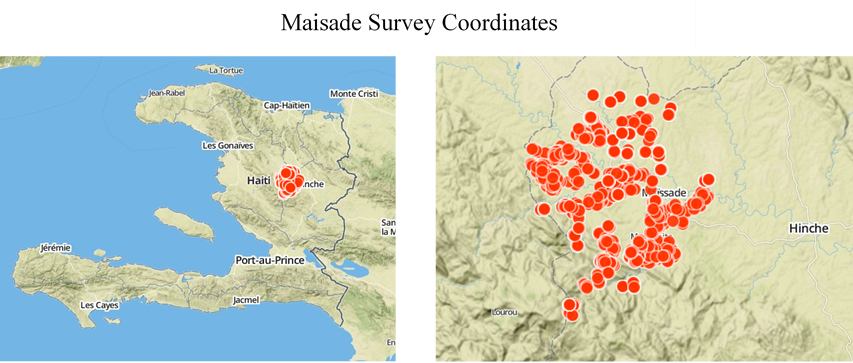
Here is an example of a test of the freq-listing technique (based on freelisting) used as rural vulnerability targeting strategy, i.e. to identify most vulnerable households. The actual research was conducted by Socio-Dig, a Haiti-based research company. The surveys were conducted in May 2014 on behalf of CNSA (Coordination Nationale De La Sécurité Alimentaire), a para-statal HaitianRead More
Freelisting based Notab Leadership and Key Informant Network Strategy (NOLKINS): How and Why it could Revolutionize Humanitarian Aid
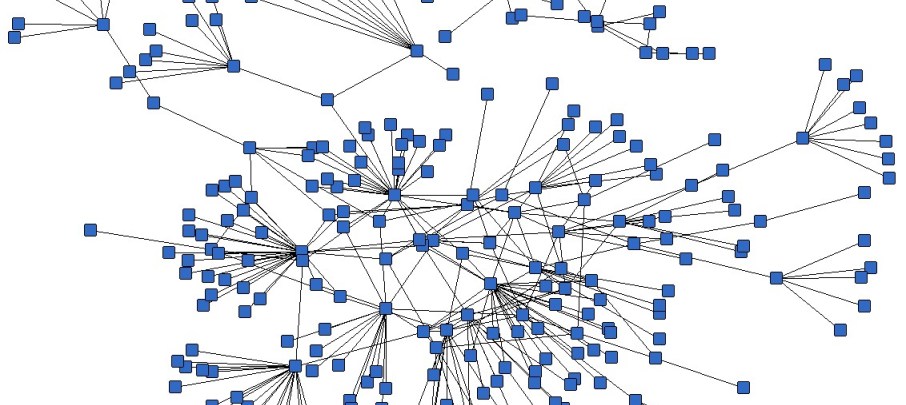
How and Why it’s Revolutionary Frequency-Listing, or “Freq-listing” (based on freelisting) and the Notab Leadership and Key Informant Network Strategy (NOLKINS) is not a political strategy. Rather it is a strategy for engaged development. But in coming to understand how it works and why it can be so effective, it helps to think of itRead More
Estimating Rape in Post Earthquake Haiti: Scaling up Technique
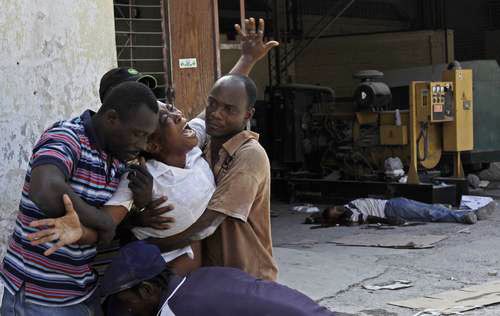
For an explanation of the above photo and visual fake news about Haiti from South Atlantic Press Agency, click here. This White Paper is important for two reasons. 1) It is more evidence that the 2010-2012 post-earthquake Haiti rape epidemic was contrived by a combination of overly-ambitious activists, aid workers looking for a dramatic cause,Read More
Resiklaj Digital (Digital Recycling) and a MOP (Mode of Production) Map for Rural Haiti
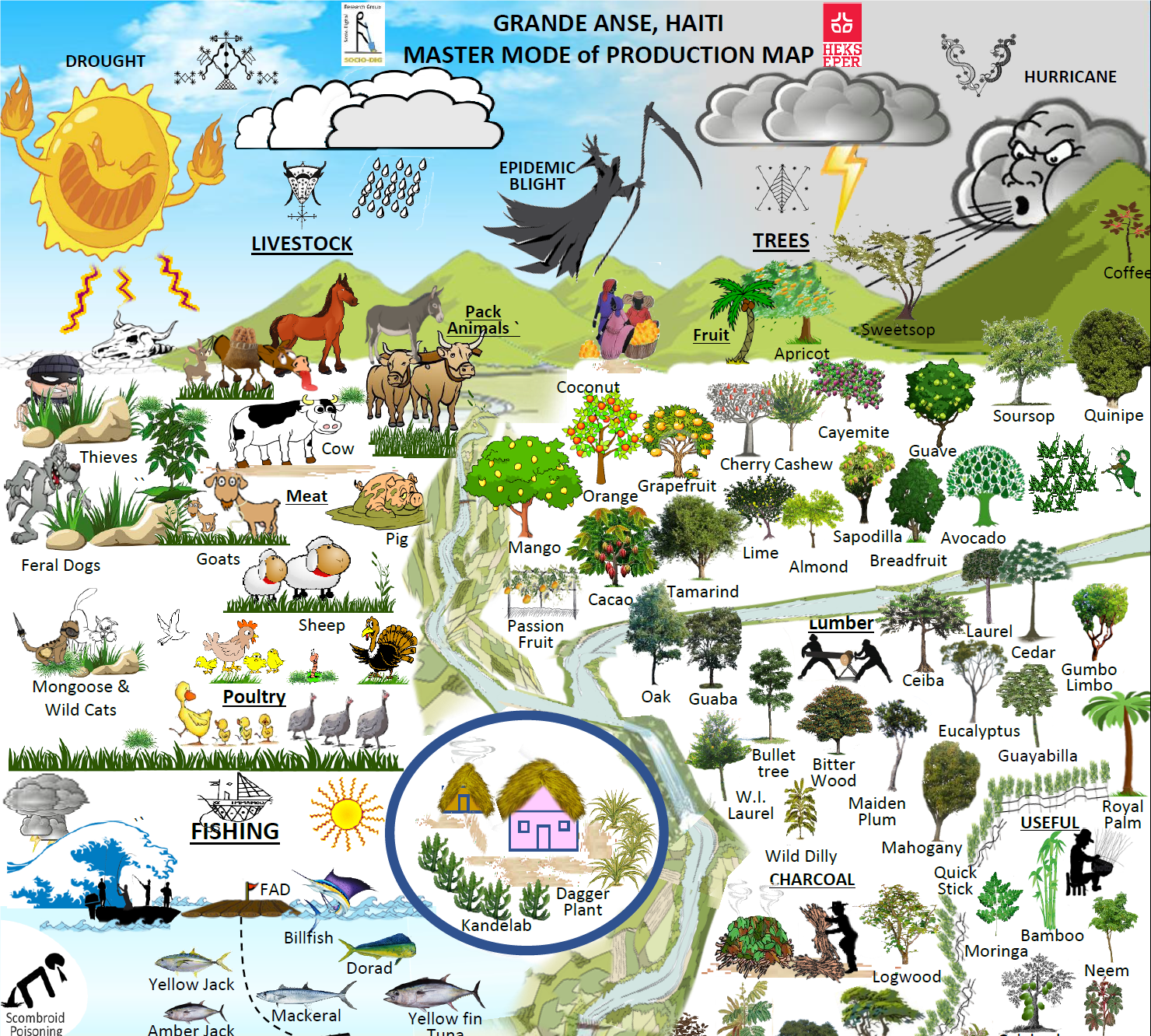
The imaga above–and the fuller version below–is an example of what we are calling “resiklaj dijital.” The idea first occurred to me when I was working with an organization called Ethical Fashion Initiative. Like the artisan genre from which we got the name (resiklaj), resiklaj digital involves, salvaging, cutting, and collating any medium we canRead More
Mangos (TechnoServ/USAID/Coca Cola/IDB 2015)
This is an evaluation of Haiti Hope Mango Project, supported by USAID, Coca-Cola, and the IDB and implemented by TechnoServe from 2011 to 2015. The research was conducted under the auspices of Socio-Dig, a Haiti-based research company. I think the research is particularly useful for anyone interested in the Haiti agricultural sector and especially exports. The reportRead More
Email Updates
Get notified when new research is released by signing up below.