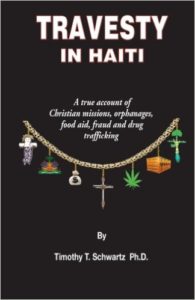
Haiti Orphanage Report (UNICEF/IBESR 2013): Unpublished
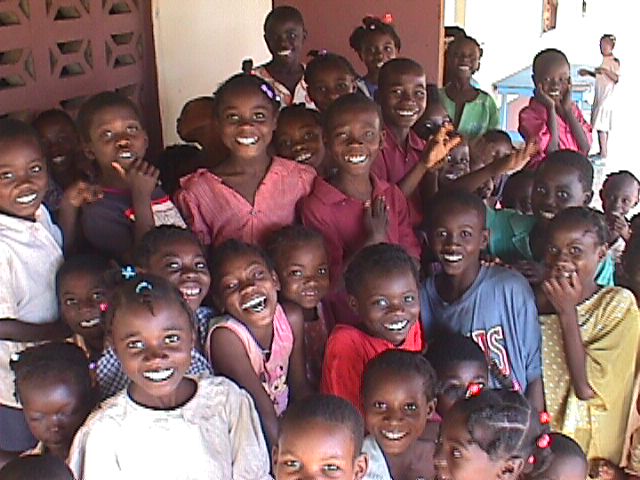
This is the controversial UNICEF/IBESR report, conducted by Sociodig, a Haiti-based research company. I’ll let interested readers be the judge regarding the quality of the work. But as can be seen from the report, it was a massive amount of research. Quite simply, there is no study of orphanages in Haiti that comes close to itsRead More
IDP Camp Rental Subsidy Survey and Report (OCHA 2017)
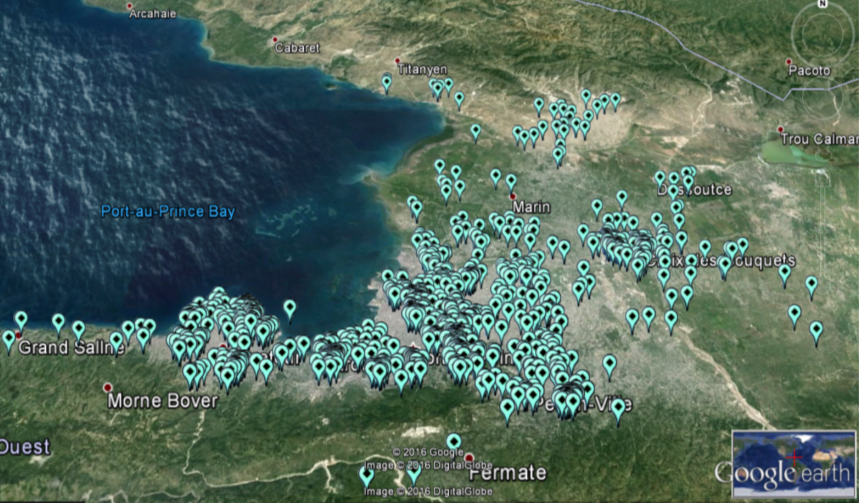
The study described in this report was funded by the EU and commissioned by OCHA, and members of the Haiti post-earthquake Camp Cluster. The research was conducted under the auspices of Socio-Dig, a Haiti-based research company. The report focuses on an evaluation of Income Generating Activities (IGA) that accompanied rental subsidy programs in Haiti between 2013 andRead More
Cacao Value Chain Survey Report (Root Capital 2013)
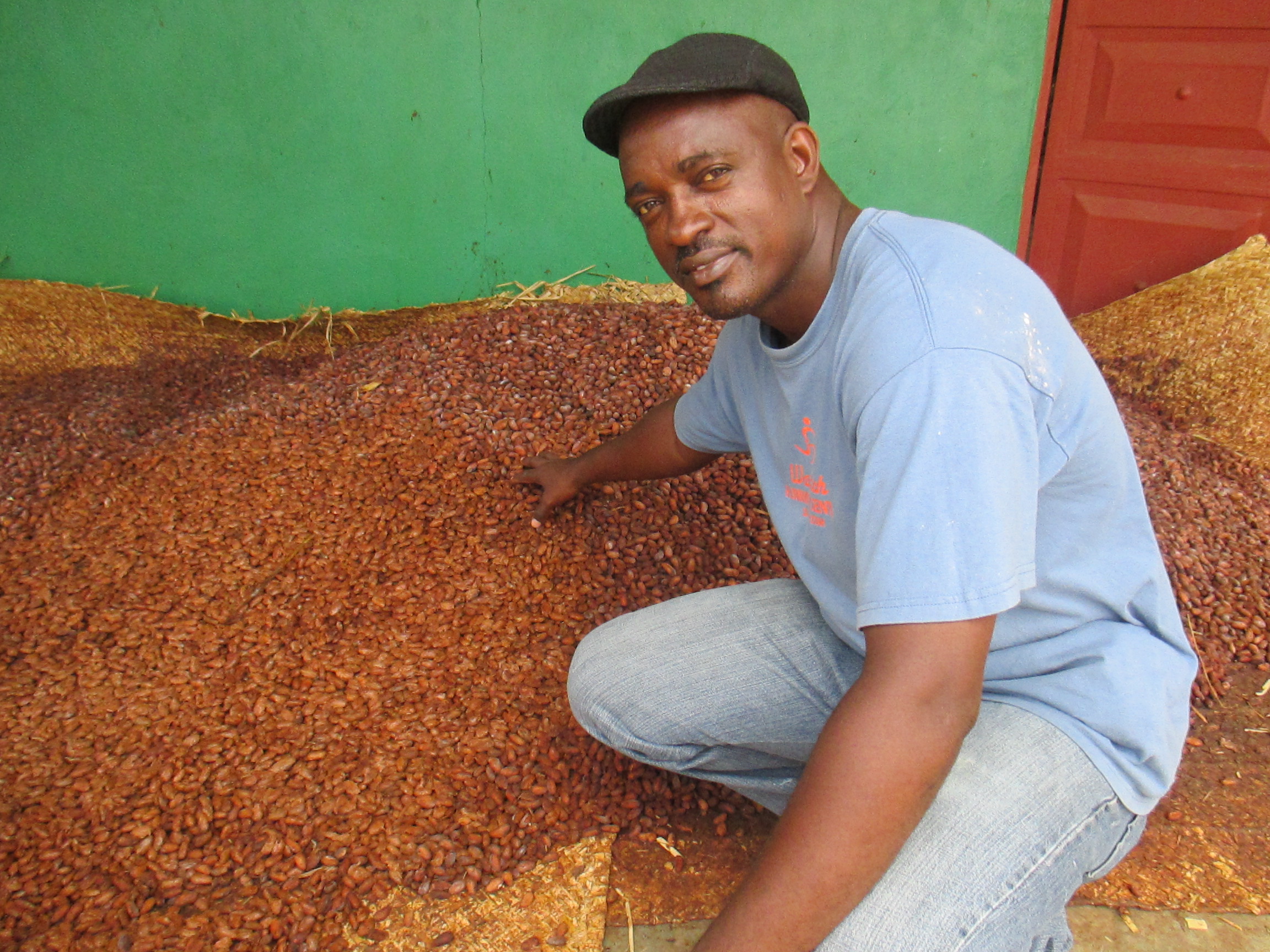
This document describes a cocoa (cocoa) producer survey of a 201 households. The survey was conducted in the Department of the Grand Anse, Haiti. The study responds to a tender from Root Capital for an investigation into cocoa production in three Grand Anse communes (counties): Dame-Marie, Anse d’Hainault, and Chambellan. Haiti_Cacao_Baseline_10_14_2014
Cacao in Haiti Surveys and Report (CRS 2014)
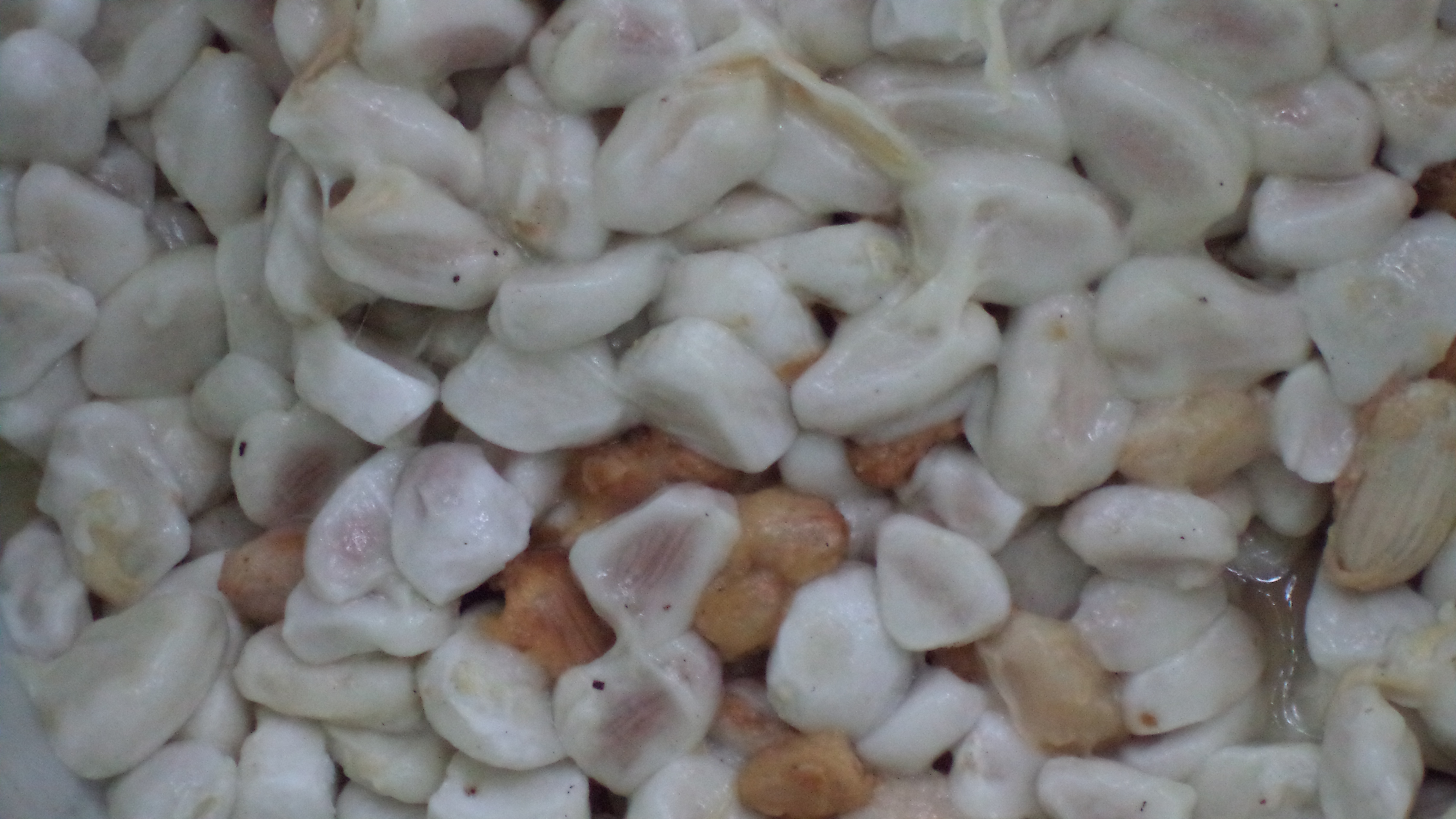
The research presented in this document was commissioned by CRS. The research was conducted under the auspices of Socio-Dig, a Haiti-based research company. The report is a baseline for the project, “Creating Alliances In Cocoa For Improved Access And Organization In Haiti.” The project was designed and funded by the International Development Bank with the goalRead More
Low Cost & Effective Alternative to the HDVI: Frequency Listing (WFP 2017)
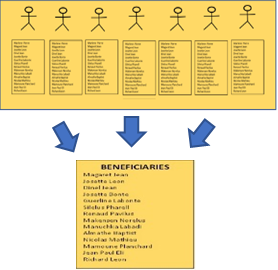
The freelisting based Frequency Listing (“Freq Listing”) is a statistically robust methodology developed by Timothy Schwartz of Socio-Dig (Haiti) for identifying local leader-experts (notab) and ultimately humanitarian aid beneficiaries. It comes to us from anthropology and mathematical models for studying informal sector and non-literate cultures and rests on the premise of “Culture as Consensus.” TheRead More
“THEY SAID THAT I COULD HAVE A TENT!!!”

The man shouts, “THEY SAID THAT I COULD HAVE A TENT!!!” He is a lean, middle aged, handsome and strong featured black man and he’s furious. His eyes bug out and his cheeks puff up as he explodes again into a fit of shouting, “THEY SAID THAT I COULD HAVE A TENT!” He isRead More
BROKEN PROMISE: ANTHROPOLOGY AND THE HUMANITARIAN AID SECTOR
To explain, one has to understand the evolution of anthropology and humanitarian aid industry. The two are—or at least once were– intricately intertwined.
“Pronatal Sociocultural Fertility Complex” and “Sexual-Moral Economy”
Researchers working in Haiti have long noted that rural parents were extremely pronatal. Both men and women hoped to have large families with many children. Social scientists typically explained the trend with “love” and “prestige,” “absence of contraceptives,” and “tradition” (Herskovits 1937: 89); “the desire to live with reason, and to die with dignity” (Lowenthal 1987: 305);Read More
Fewer Men, More Babies: The Problem with the ‘Proximate and Intermediate Determinants of Fertility’ in the Caribbean
Here I want to show how Bongaarts and Potter’s (1983) “proximate and intermediate determinants of fertility” are inconsistent with ethnographic reality in the early and mid-20th century Caribbean. To do this I examine one of the great demographic mysteries of the Caribbean: the irony of increasing birth rates when fewer men were present, i.e., fewerRead More
The Missing Link in Understanding Caribbean Family Patterns: The Neglected Half of Chayanov’s Rule
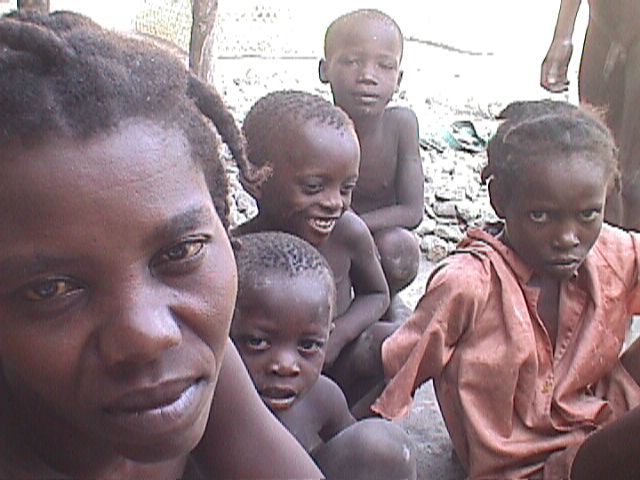
The basis of my arguments in this article is that children are useful on the non-industrialized farm because they work. The point might at first seem trite and obvious, but in recent decades social scientists have so rigorously denied the economic utility of children in developing areas that the denial itself is fascinating. Moreover, IRead More
Email Updates
Get notified when new research is released by signing up below.