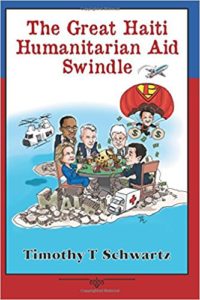
Coca Cola Mango Travesty
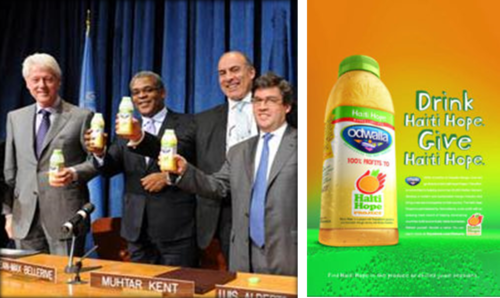
In 2010, the Coca Cola company helped initiate a project called Haiti Hope: a USAID, IDB, and Coca Cola joint venture that aimed to increase mango production and export. It was different than all preceding Haiti mango projects in that it was founded on the “Hope” that there would be an immediate and dramatic increaseRead More
Mangos (TechnoServ/USAID/Coca Cola/IDB 2015)

This is an evaluation of Haiti Hope Mango Project, supported by USAID, Coca-Cola, and the IDB and implemented by TechnoServe from 2011 to 2015. The research was conducted under the auspices of Socio-Dig, a Haiti-based research company. I think the research is particularly useful for anyone interested in the Haiti agricultural sector and especially exports. The reportRead More
Haiti Orphanage Report (UNICEF/IBESR 2013): Unpublished
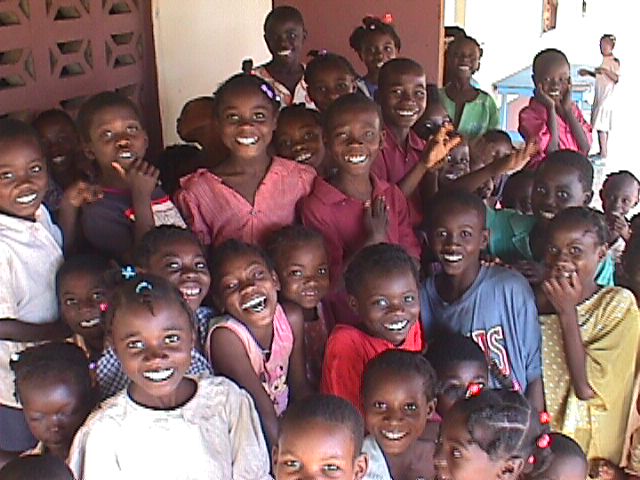
This is the controversial UNICEF/IBESR report, conducted by Sociodig, a Haiti-based research company. I’ll let interested readers be the judge regarding the quality of the work. But as can be seen from the report, it was a massive amount of research. Quite simply, there is no study of orphanages in Haiti that comes close to itsRead More
IDP Camp Rental Subsidy Survey and Report (OCHA 2017)
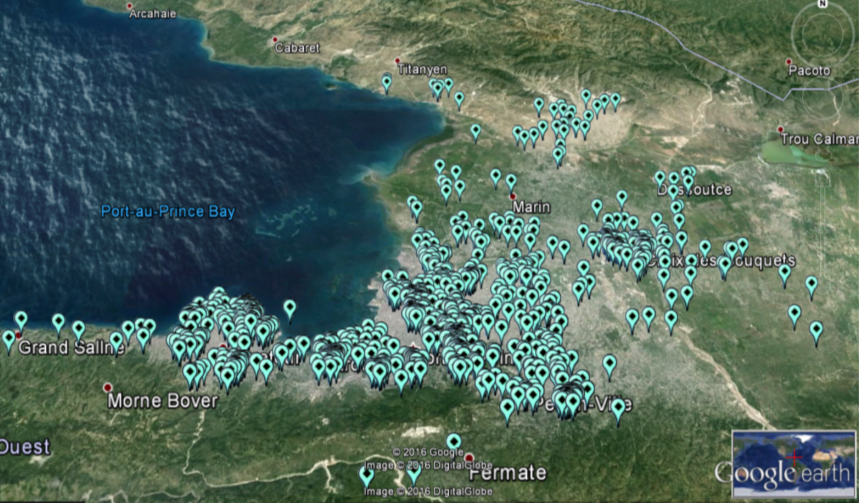
The study described in this report was funded by the EU and commissioned by OCHA, and members of the Haiti post-earthquake Camp Cluster. The research was conducted under the auspices of Socio-Dig, a Haiti-based research company. The report focuses on an evaluation of Income Generating Activities (IGA) that accompanied rental subsidy programs in Haiti between 2013 andRead More
BROKEN PROMISE: ANTHROPOLOGY AND THE HUMANITARIAN AID SECTOR
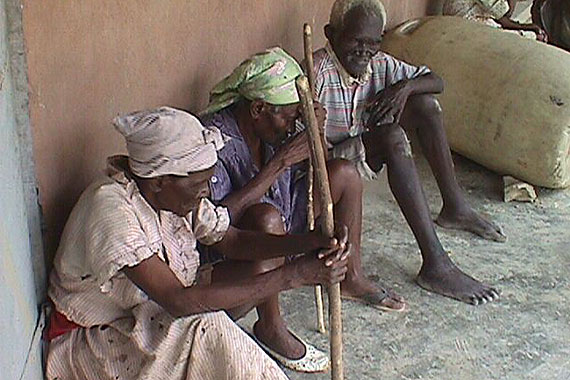
To explain, one has to understand the evolution of anthropology and humanitarian aid industry. The two are—or at least once were– intricately intertwined.
Anthropology of NGOs: How Activist Humanitarian Aid Agendas Corrupted Social Sciences in the Caribbean

The obscurantism of political and economic agendas has always pervaded discourse on Caribbean family patterns, but anthropology had a stronger materialist orientation in the early and mid-1900s, one that lent itself to rigorous analysis of causation. By the 1970s and 1980s, hope was fading. A fog of research agendas, convoluted analyses, ideational and cultural causalRead More
Gender in Haiti: Review of the Literature
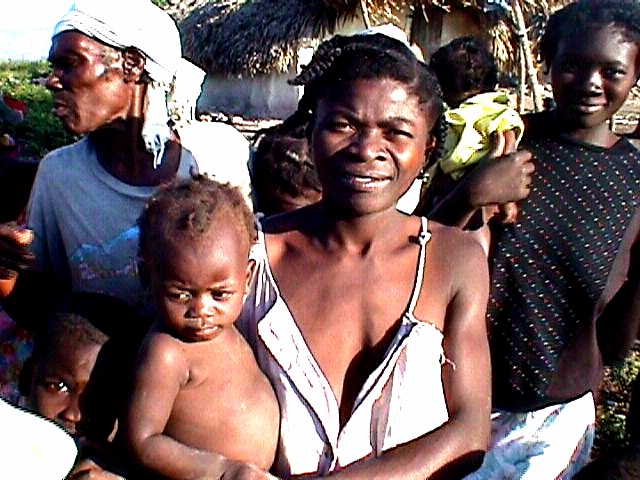
This is a much expanded version of two shorter blogs, ‘A Short Note about Gender in Haiti‘ and ‘More on Gender in Haiti.’ It sums up the radical misunderstanding that seemingly all NGOs and journalists as well as many scholars have presented of gender in Haiti before and after the earthquake.
Vulnerability Targeting in Haiti Report (WFP & CNSA 2015)
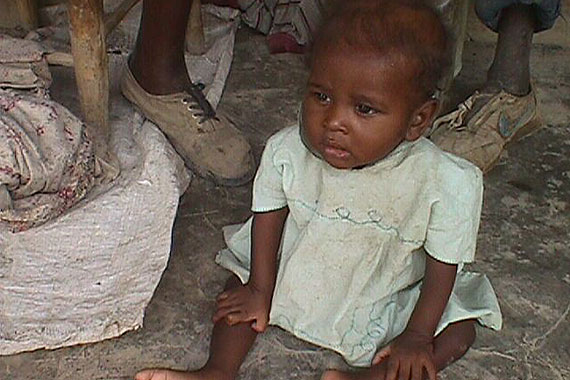
This study was commissioned by CNSA with the financial and logistic support of WFP and FAO. The objective was to examine the processes that NGO and governmental agencies employ to select beneficiaries of social assistance programs in rural Haiti. The task responds to needs associated with current humanitarian aid and development programs such as: EdeRead More
Children of Haiti: The Haitian Restavek and Child Slavery
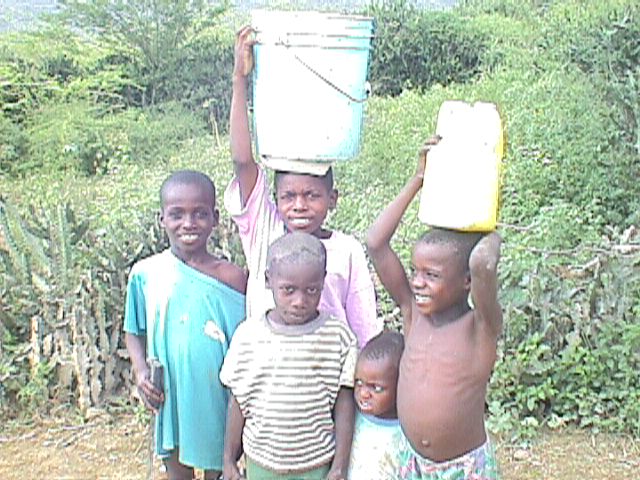
The cry ‘child slavery’ grabbed world attention in 1998 when Haitian-born Jean-Robert Cadet published his shocking autobiography, From Haitian Slave Child to Middle-Class American, in which he recounted his life as a restavek, the Haitian Creole word for child domestic servant. As the Cadet Foundation website tells potential donors, “As a restavek he lost hisRead More
History of NGOs and Disaster in Haiti
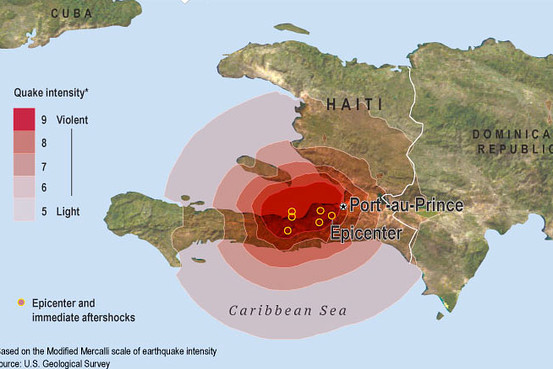
If there’s a milestone year when NGOs began arriving in Haiti that year is 1954, when Hurricane Hazel struck the island. Hazel would go on record as the most destructive storm in Western history. Haiti got the worst of it. Hazel stalled over the country for three days, pounded the mountains and plains with overRead More
Email Updates
Get notified when new research is released by signing up below.