Value Chain Study: Cacao, Cashews, Castor Oil, & Breadfruit
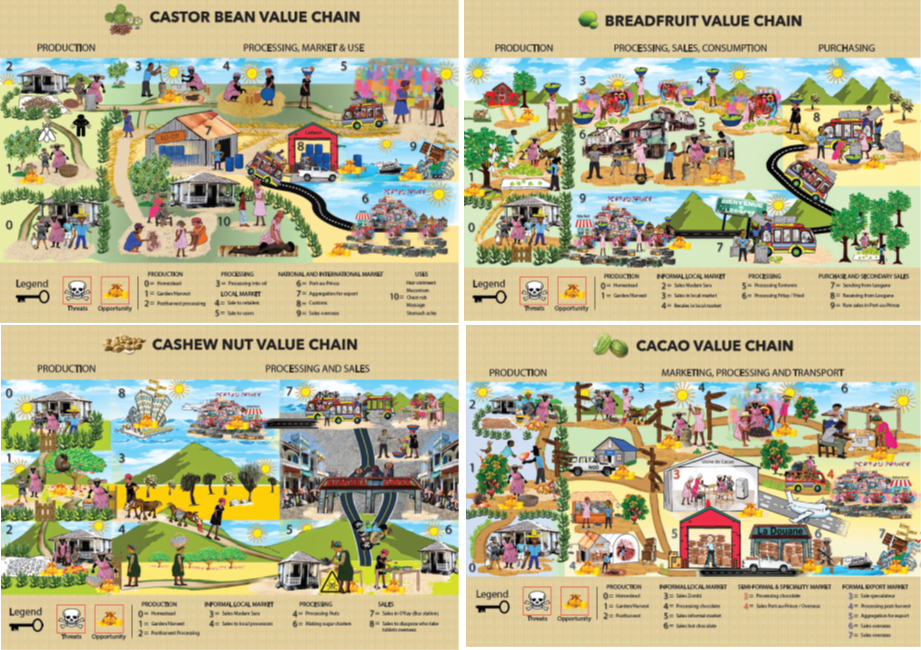
This document presents research on four value chains in Haiti: cacao, cashews, breadfruit and castor bean oil (ricin). The research was conducted in the context of the ILO project FOPRODER (2015-2020), that works through cooperatives and associations in Haiti to provide professional training and promote resiliency of value chains. Arguably the most important information inRead More
Understanding the Impact of Emigration in Haiti

In the 1960s and 1970s the typical gran neg or gran dam (Patron) in provincial Haiti was an individual belonging to a large family that, a) had more and better land than most people in the region, b) a better education, c) urban connections, but, d) was heavily invested in land, agricultural production, livestock rearingRead More
Visual Fake News and the Absurdity of the Haiti Post-Earthquake Rape Epidemic
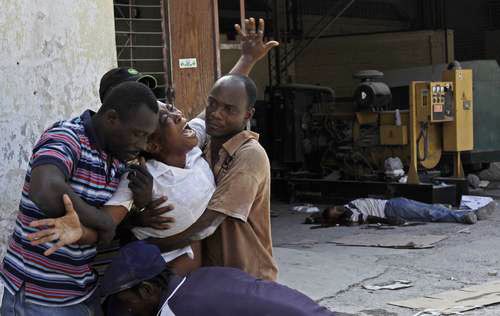
Cover Photo: This is an all too common abuse and/or misinterpretation of a photo from post earthquake Haiti. South Atlantic Press Agency, as well as MercoPress, used the AFP photo as an illustration (bait) for an article on gender violence in Haiti. You can find the original explanation for what happened here at an NBCRead More
Haiti Anthropology Brief: Importance of Housebuilding and Local Cost of Building a House in Rural Haiti
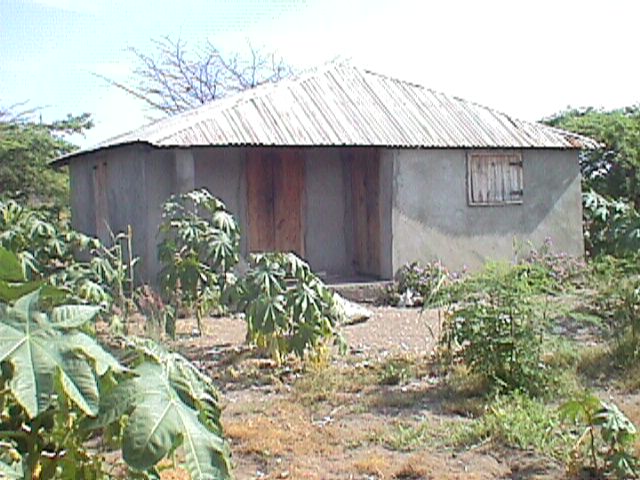
I have put this brief together with the post-earthquake housebuilding craze in mind. After the 2010 earthquake, international organizations did a lot of housebuilding in Haiti. Yet, there is a whole lot about the topic that seemingly no one at the time was interested in learning. And so here I want to get it downRead More
The Story of the Haiti Earthquake Camps
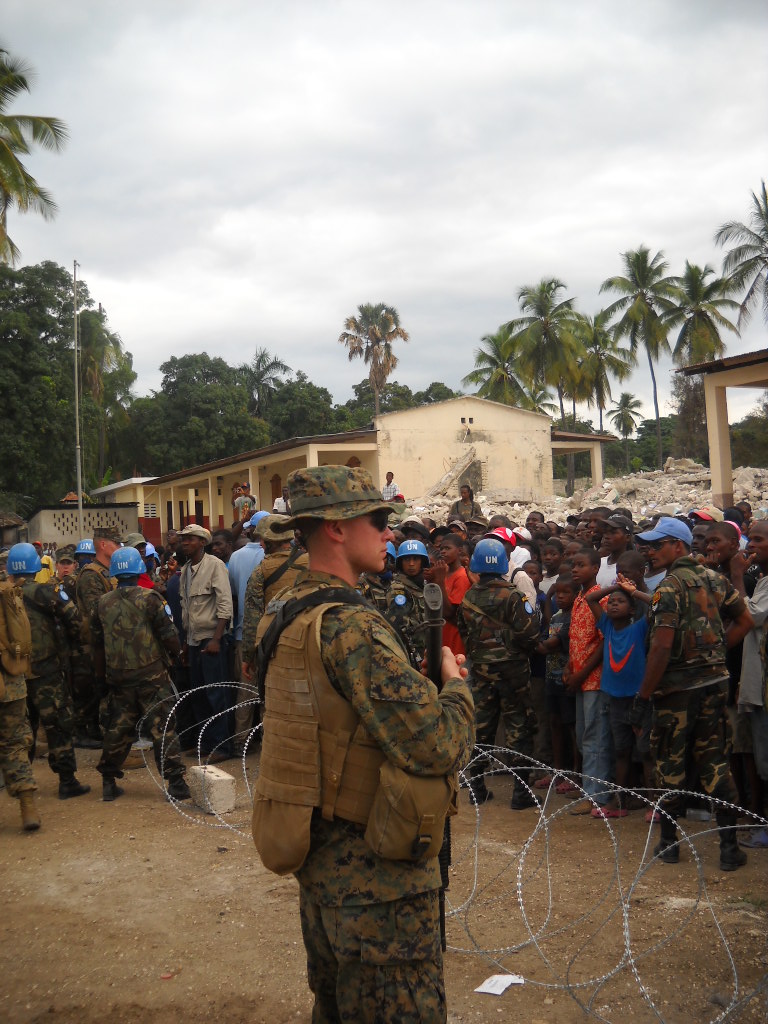
In the wake of the January 12, 2010 Haiti earthquake, the world witnessed the growth of what would become the largest refugee crisis on the planet. If we can believe claims from the United Nations, the US and the EU governments, and the humanitarian aid agencies that together received some $3 billion in donations fromRead More
Test of Impact of School Feeding on the Scholastic Performance of Children in Rural Haiti
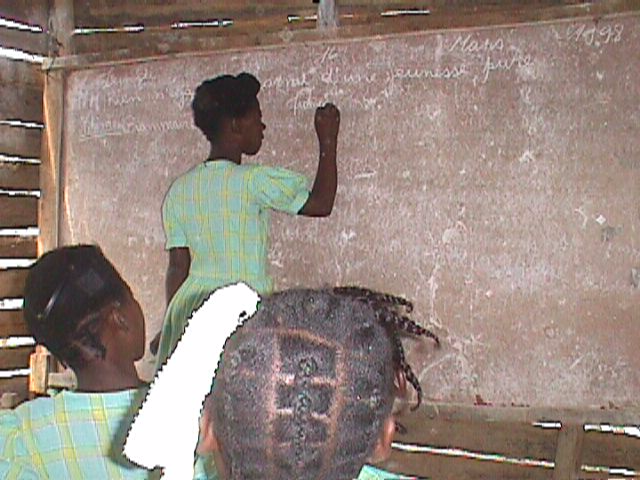
An enthusiastic claim we often hear is that school feeding programs have a positive impact on the attendance and academic performance of the students. In 16 focus groups we conducted, school directors said it, teachers said it, parents said it, even some of the children spontaneously made claim. I too have always simply assumed thatRead More
Snacks, Meals, Prices, and Nutritional Content for Proposed Locally Procured School Feeding Program in Haiti
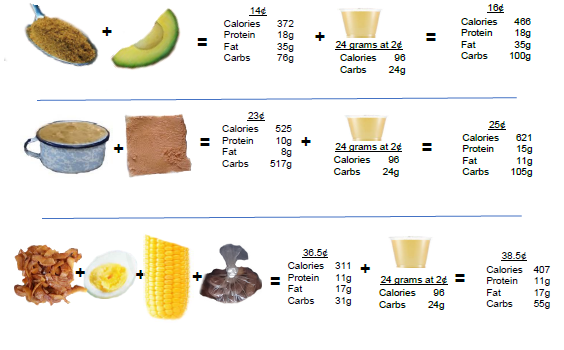
This article addresses the prospects for true, locally procured meals for a national school feeding program, something that does not yet exist. We present a series of the most commonly available local Haitian foods together with street costs and nutritional analysis. The suggestion is that prepared food containing twice the calories and protein available inRead More
TTFF Fake Breadfruit Flour Factories in Haiti
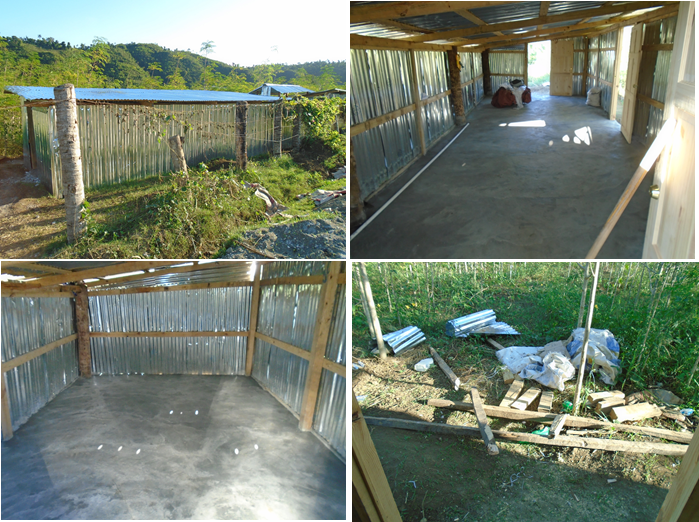
February 1st 2018, I visited a project of TTFF (Trees that Feed Foundation), founded and managed by Mary and Michael McLaughlin who claim to have breadfruit factories in Jeremie, Haiti (check their claims here). I found no evidence of them ever having produced anything. The “factory” –a tin shed valuing less than $1,000, had clearly beenRead More
Haiti Anthropology Brief: Eighteen Characteristics of Life in Rural Haiti that Every Aid Worker Should Know
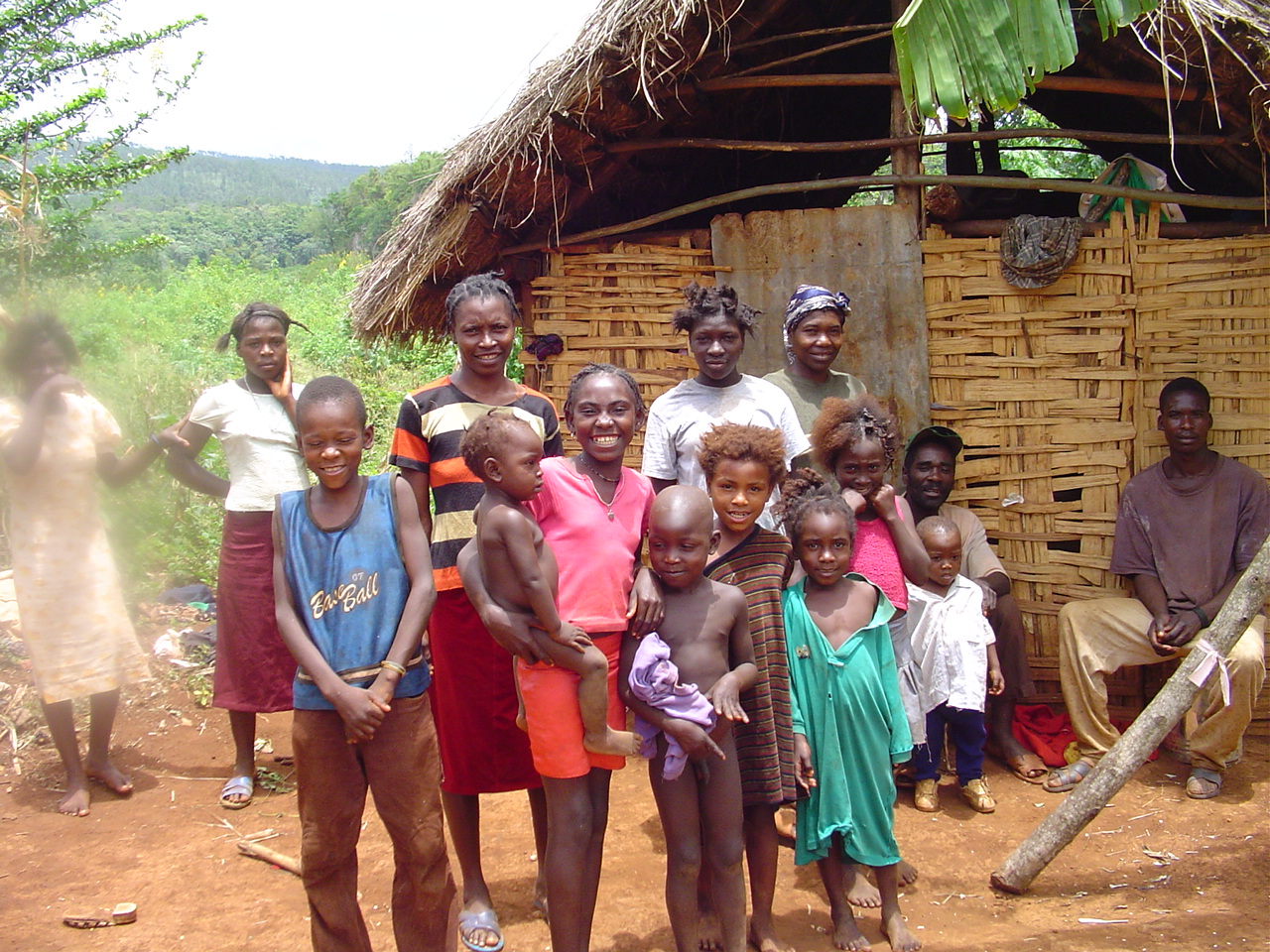
For at least the past 50 years Haiti has arguably been the most aided country on the planet, and arguably the country with the most dismal development record. Aid workers typically leave frustrated, not able to understand why rural Haitians will not adopt crops they promote, or the technologies and strategies that seem to soRead More
Haiti Anthropology Brief: Household Shocks in Haiti
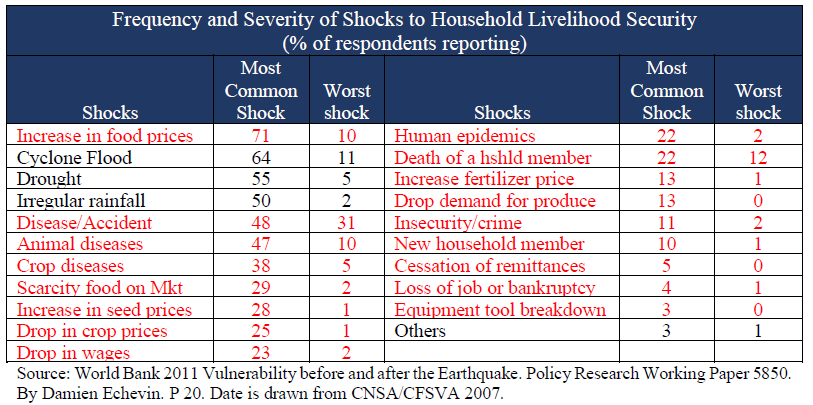
Humanitarian aid agencies working in Haiti react almost exclusively to catastrophic environmental disasters such earthquake, drought, hurricane and flood. But as can be seen in the table above, far and away the most common shocks to households in Haiti are not from environmental calamities, but rather economic crises, such as increased food or agricultural prices,Read More
Email Updates
Get notified when new research is released by signing up below.