Industrial Fishing Value Chain in Haiti
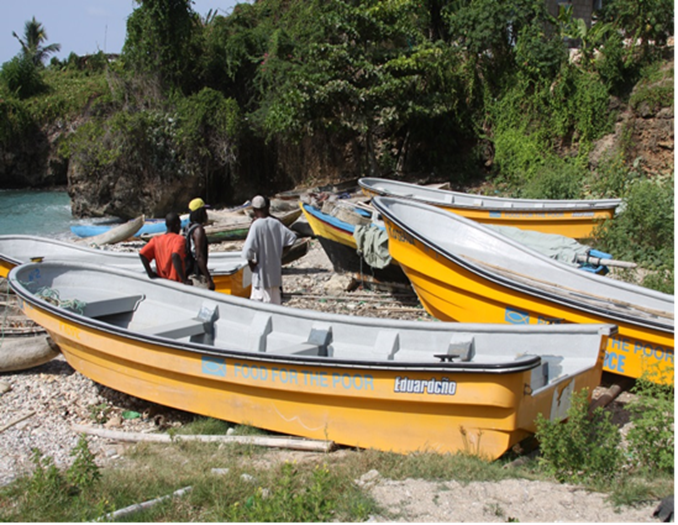
Of the some 26,000 fishing vessels that were plying Haiti coast in 2018, only about 1,200 were involved in what can be called “industrial fishing strategies.” The reader should take note that this is distinct from the modern fisheries using megaton steel ships and massive nets with hydraulic powered wenches and onboard machine powered coldRead More
Formal Sector Egg Value Chain in Haiti
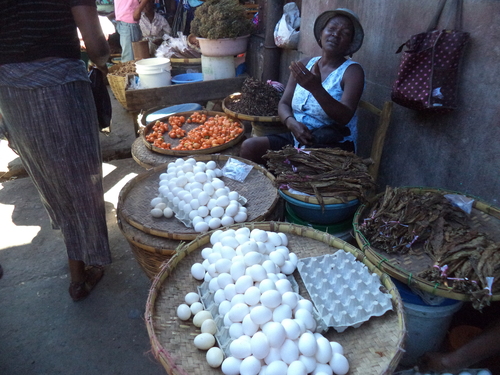
This paper focuses on formal egg production in Haiti. Data is drawn from a review of the literature and contact with farmers, entrepreneurs, merchants, and cooperative leaders. Current value of the Haitian egg market is 36 million USD per annum (MARNDR 2014). That translates to 41.2 million eggs per month; 6.45 million are produced inRead More
Chicken & Egg (Poultry) Ethnographic Value Chain in Haiti
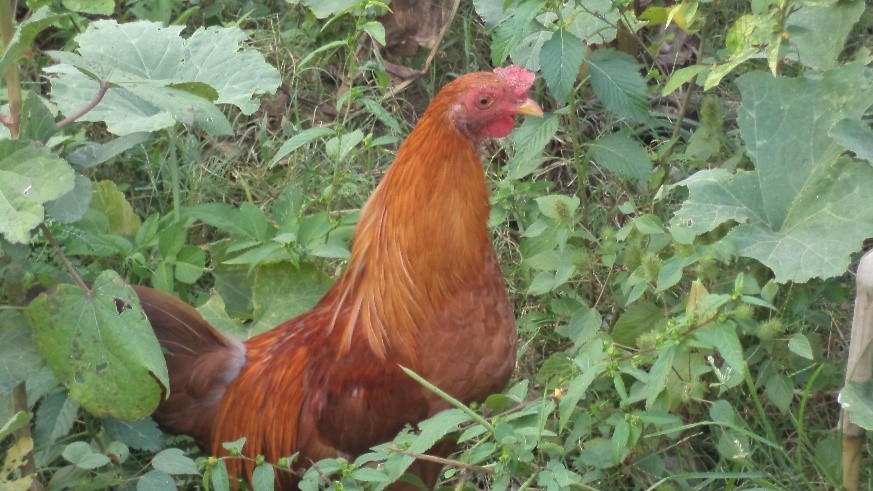
This paper focuses on egg production in Haiti with an emphasis on popular class rural household livelihood strategies. Data is drawn from a review of the literature and contact with farmers, entrepreneurs, merchants, cooperative leaders, and two surveys: a 382 household “Chicken Survey” and a follow-up telephone sub-survey of 91 of the original respondents. ConstraintsRead More
History of Haiti’s Fabricated Rape Epidemics
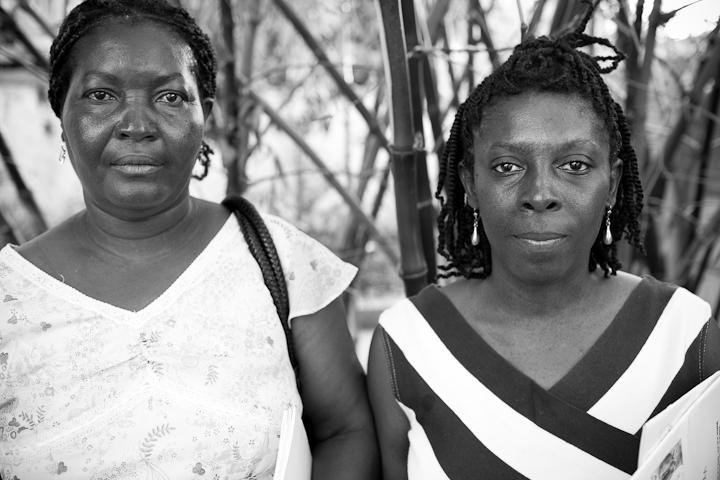
In this article I begin with the rape epidemic that supposedly shook Haiti following the 2010 earthquake and then trace back in time the role of international aid agencies, activists, foreign governments, Haitian politicians and Haitian opportunist aid entrepreneurs in creating what has become an industry of being “viktim.”
Haiti Anthropology Brief: Origins of the Haitian Internal Rotating Market System
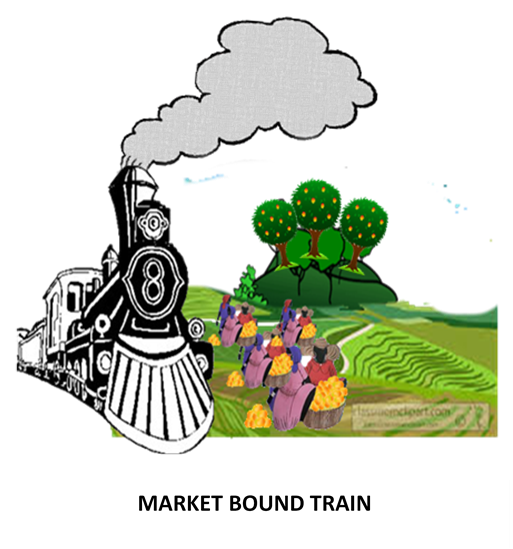
Haiti was born in the latter 18th and early 19th century when 500,000 slaves engaged in a 13-year struggle for freedom and independence that was arguably the deadliest conflict in world history. About half of both the civilian and combatant populations were killed. Many died violently, but a greater number fell ill and died fromRead More
Anthropological Brief: Understanding Infant Nutritional Challenges in Haiti
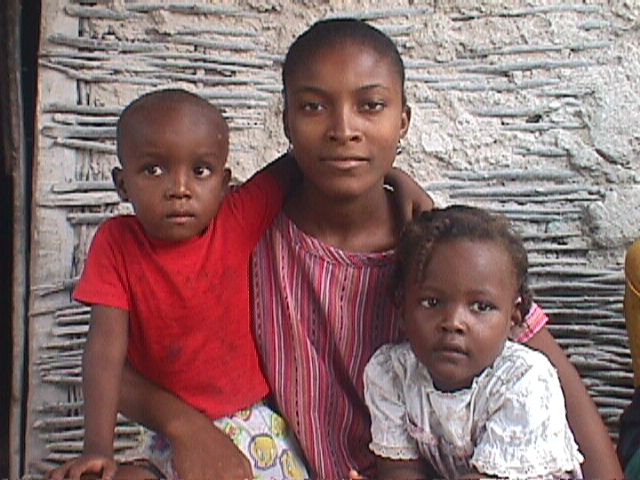
Infants in Haiti face an especially daunting set of nutritional challenges. The 1,000 days from conception to a child’s second birthday are the most critical period of a child’s physio-intellectual development. Children who are well nourished during this period become healthier and more intelligent adults who in turn are better able to feed and careRead More
Haiti Anthropological Brief: Myth of the Indiscriminate Haitian Charcoal Maker
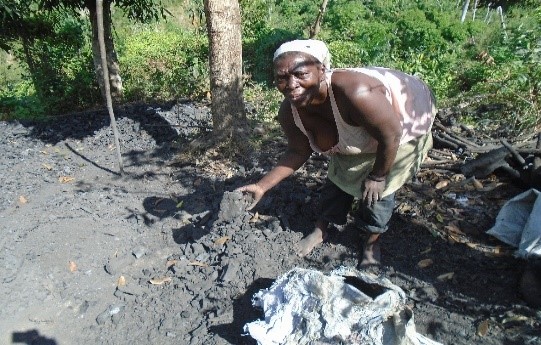
A common myth often repeated among development experts working in Haiti is that the peasants cut their fruit trees for charcoal (see MIF 2010; USAID/WINNER 2015; TNS 2014; Davenport 2000:1). And they do. But what’s mythical is the implication that they are indiscriminately felling healthy and productive fruit trees. After seven years of researching factors thatRead More
Haiti Anthropological Brief: Land Tenure in Haiti and Myth of Land Insecurity
The most cited explanations for the “failure” of Haitian peasants to invest in improving the land they live on– such as planting mango trees—are often the weakest explanations. And perhaps the most cited reason of all—and the most mistaken– is land insecurity, or what 30 years ago one of Haiti’s most consulted consultants, Gerald F.Read More
Anthropological Brief: Occupational Multiplicity in Haiti
In addition to engaging in a vibrant internal rotating marketing system and integrated household livelihood systems that include a wide variety of crops, livestock, and harvesting of fruit, lumber and charcoal from trees, rural Haitians everywhere also exhibit what anthropologists refer to as ‘occupational multiplicity’, meaning a surfeit of specialties, such as housebuilding tasks likeRead More
Haiti Anthropological Brief: Myth of Land Fragmentation in Haiti
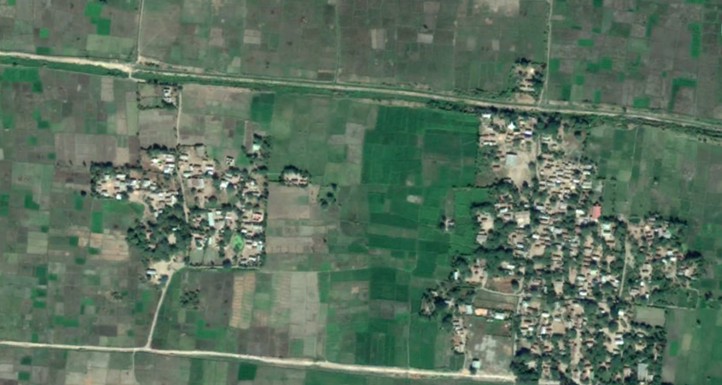
A common explanation one hears from educated Haitians and NGO workers alike for increasing rural poverty is land fragmention. As the argument goes, growing population has meant that heirs to Haitian farms have found themselves with increasingly smaller parcels of land. The evidence is, of course, growing population. The population of Haiti in 1950 wasRead More
Email Updates
Get notified when new research is released by signing up below.