The Story of the Haiti Earthquake Camps
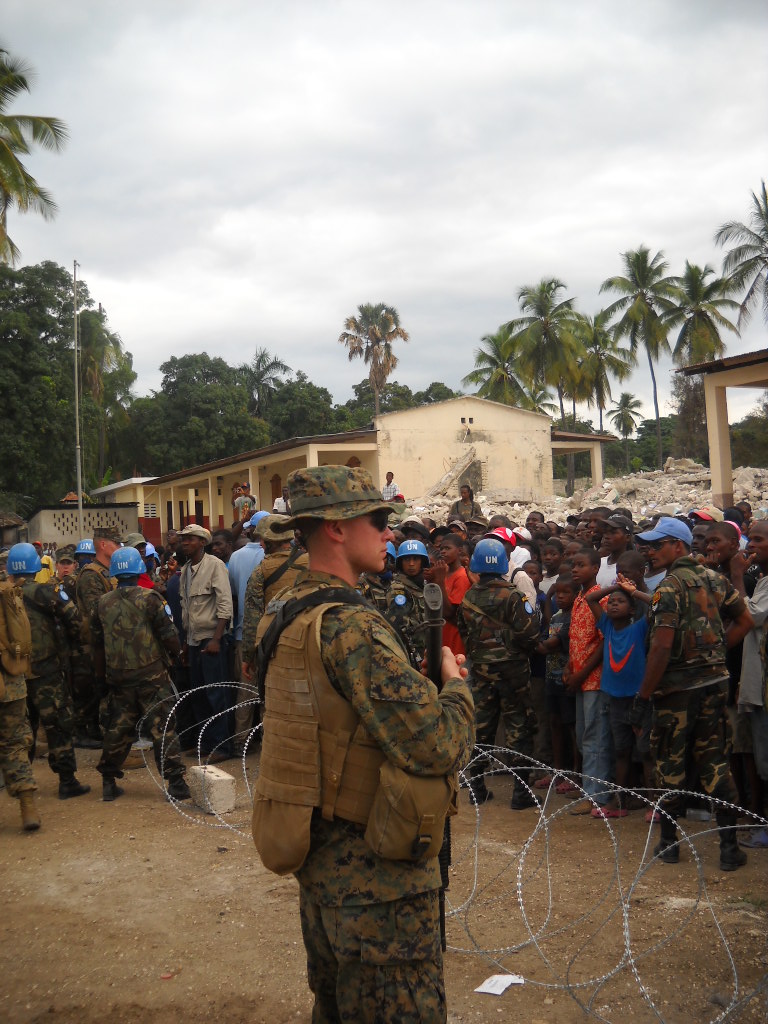
In the wake of the January 12, 2010 Haiti earthquake, the world witnessed the growth of what would become the largest refugee crisis on the planet. If we can believe claims from the United Nations, the US and the EU governments, and the humanitarian aid agencies that together received some $3 billion in donations fromRead More
Haiti Anthropology Brief: Defining the Haitian Madam Sara
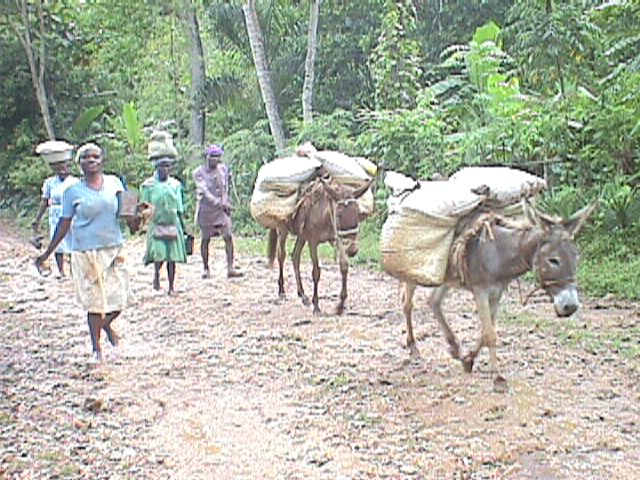
Named for a migratory bird that assiduously searches for and finds food wherever it goes, the Haitian madam sara (pronounced ma-dan sé-ra) acts as the critical market link between rural producers and the urban consumer, most importantly the 30% of the national population who live in Port-au-Prince, many of whom work for wages and receiveRead More
Violent Women in Haiti: Ethnographic and Survey Data
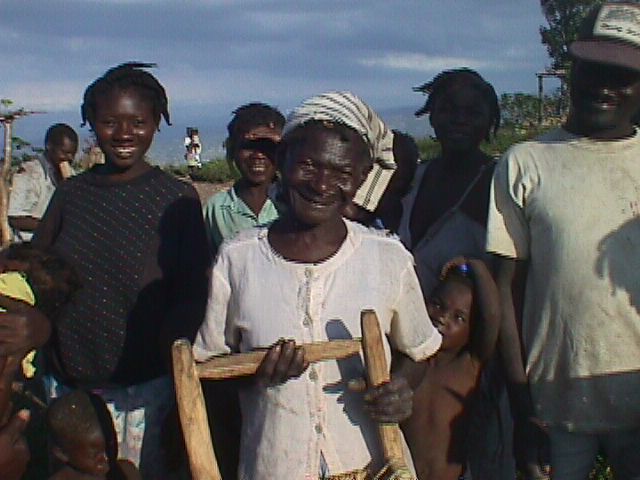
There is a great deal of concern in the NGO community about violence against Haitian women. Google ‘Haiti GBV’ and you’ll see that it’s a veritable rallying cry for feminine interventions and donations. It’s always good to help people, especially those who are victims of violence. But the vast majority of people seeking to helpRead More
Gender and the Fish Market Chain in Haiti
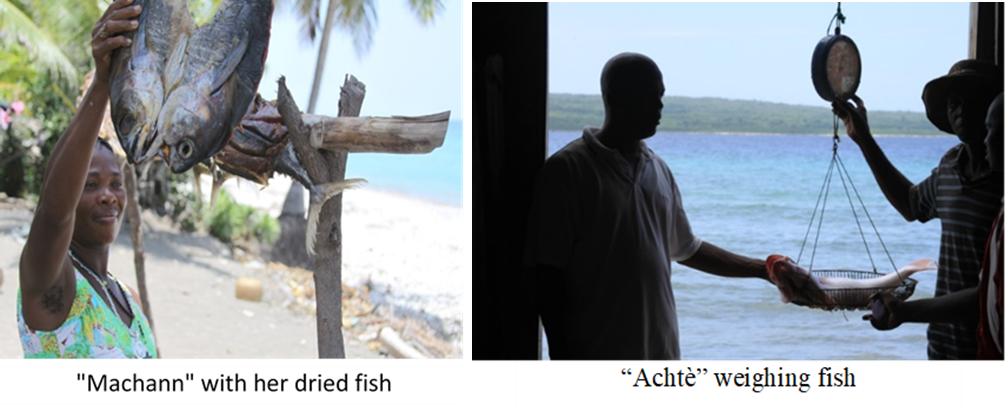
NGO Interventions, Associations and the Market Chain: Risk of Putting Women out of Business NGOs have intervened in the purchasing-processing-storage-and-marketing chain to help fishermen get better prices for their fish and thereby bolster income to impoverished households. This support has encouraged the formation of male-dominated fishing associations. In addition to help with offshore fishing, theyRead More
Haiti Anthropology Brief: Eighteen Characteristics of Life in Rural Haiti that Every Aid Worker Should Know
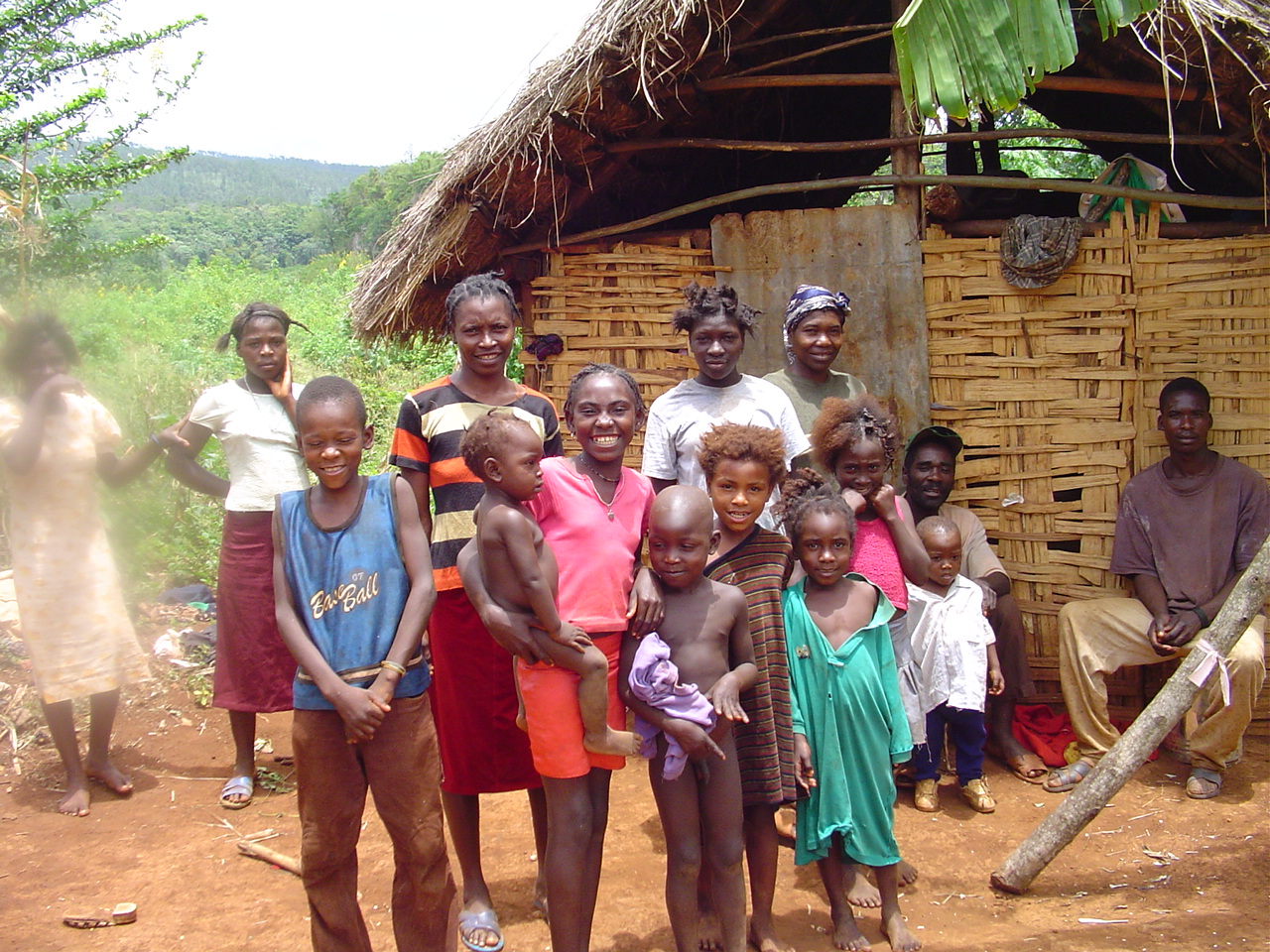
For at least the past 50 years Haiti has arguably been the most aided country on the planet, and arguably the country with the most dismal development record. Aid workers typically leave frustrated, not able to understand why rural Haitians will not adopt crops they promote, or the technologies and strategies that seem to soRead More
Haiti Anthropology Brief: Understanding Social Capital in Haiti

As seen in here, few if any rural households in rural Haiti would risk dependence on a single source of food or income. Most have gardens and livestock, some depend in part on fishing, many will readily engage in opportunities such as glass eels, growing vetiver, working as temporary day laborers in the fields ofRead More
Haiti Anthropology Brief: Household Shocks in Haiti
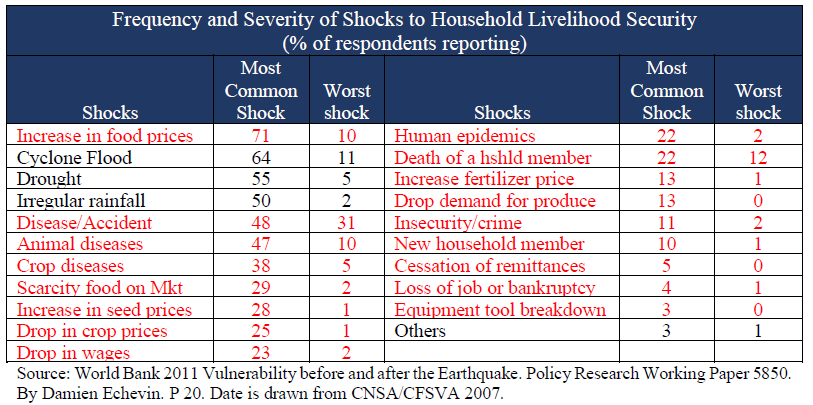
Humanitarian aid agencies working in Haiti react almost exclusively to catastrophic environmental disasters such earthquake, drought, hurricane and flood. But as can be seen in the table above, far and away the most common shocks to households in Haiti are not from environmental calamities, but rather economic crises, such as increased food or agricultural prices,Read More
Haiti Anthropology Brief: Eight Questions About a Welfare System in Haiti
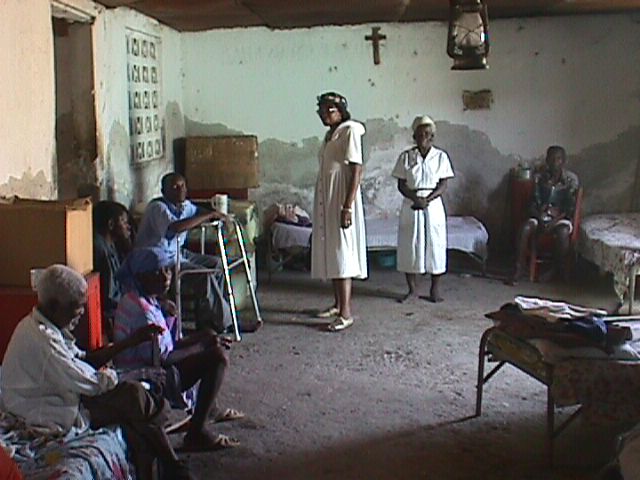
This post deals with the impact of a welfare system in Haiti. USAID, the World Bank, and WFP have proposed a type of welfare system for Haiti’s most vulnerable (see KORE LAVI program). While there are definitively many vulnerable people in Haiti, the idea of an institutionalized safety-net brings up questions that should be addressed. Read More
Goat Ethnographic Value Chain in Haiti
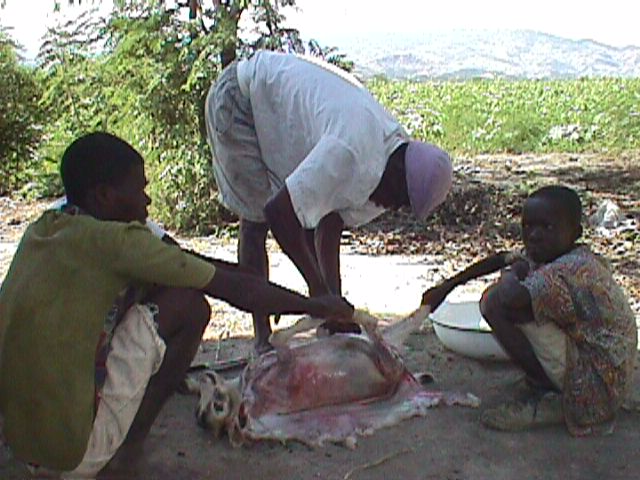
Using the MEVMS value chain research and presentation strategy described here, this paper provides a rapid summary of the goat value chain in rural Haiti. The research is based on literature review, focus groups and a 405 household survey in the Grand Anse conducted in January 2018 on behalf of Heks-Eper; focus groups key informantRead More
Artisanal Fish Ethnographic Value Chain in Haiti
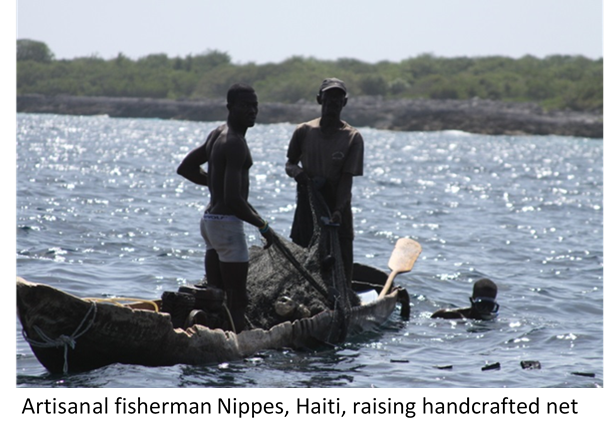
As the Western third of the Caribbean’s second largest island, Haiti has a relatively small continental shelf surface area of 5,860 km2, approximately 20% the size of the entire country (27,750); but it has an exclusive economic zone (EEZ) of mostly deep-sea that is 86,398 km2, three times the country’s landmass and including what couldRead More
Email Updates
Get notified when new research is released by signing up below.