Cacao in Haiti Surveys and Report (CRS 2014)
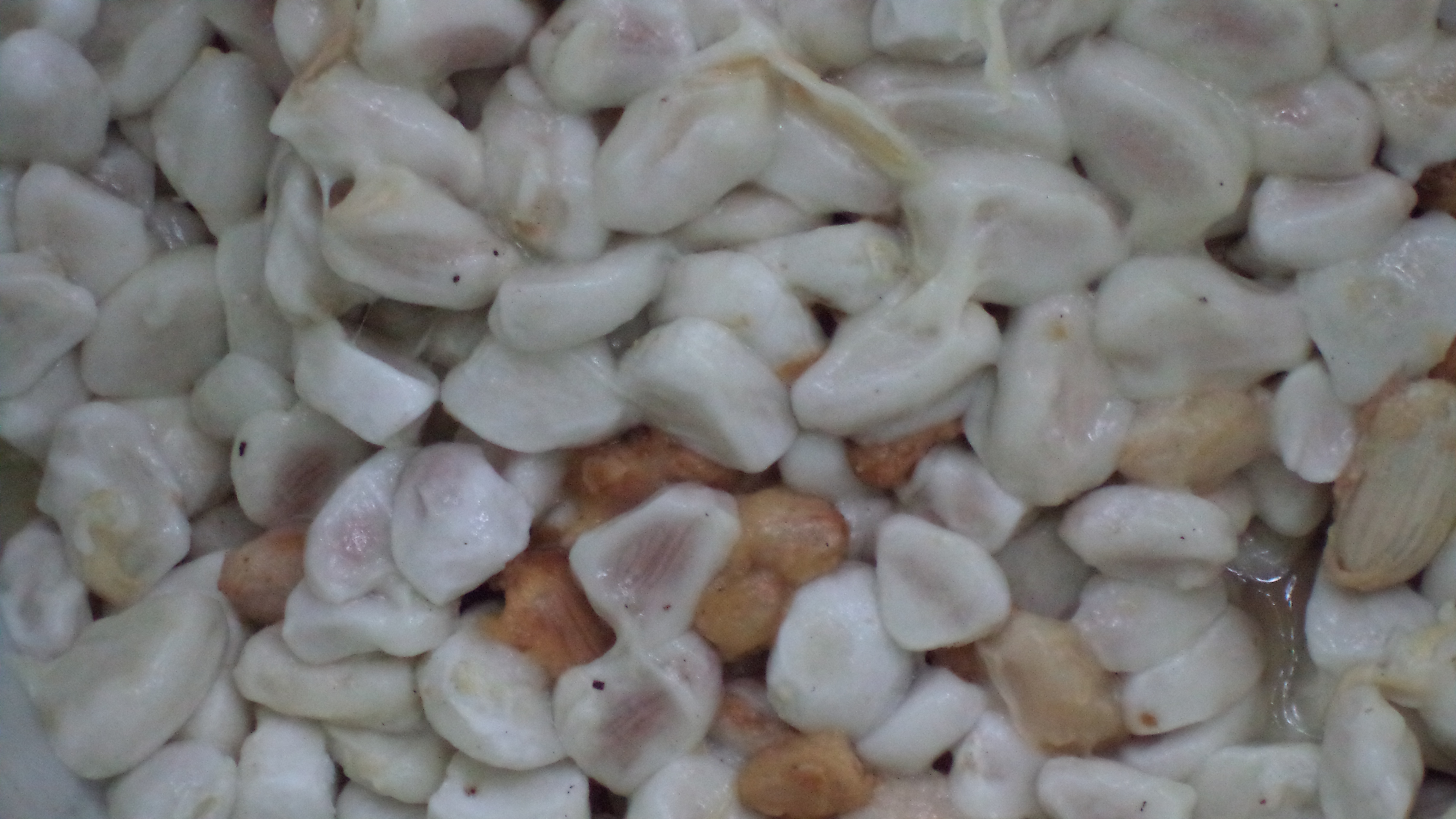
The research presented in this document was commissioned by CRS. The research was conducted under the auspices of Socio-Dig, a Haiti-based research company. The report is a baseline for the project, “Creating Alliances In Cocoa For Improved Access And Organization In Haiti.” The project was designed and funded by the International Development Bank with the goalRead More
Eggs in Haiti Surveys and Report (FCA 2015)

This report–commissioned by Finland Church Aid (FCA) and carried out under the Socio-Dig, a Haiti-based research company–focuses on egg production in Haiti with an emphasis on popular class rural household livelihood strategies. The study ultimately addresses the question, if equipped with the proper technological resources and financial support, could these households provide significantly more eggsRead More
Vulnerability Targeting Guide for Haiti (CNSA & WFP 2015)

This document is a summary of CNSA’s more comprehensive, Report on Beneficiary Targeting in Haiti: Detection Strategies. It is meant as a summary of that report and a beneficiary selection guide for organizations working in the humanitarian aid and development sectors. With input from Haiti’s CNSA, the World Food Program (WFP), the Food and AgriculturalRead More
North West Haiti Surveys and Report (IFAD 2015)
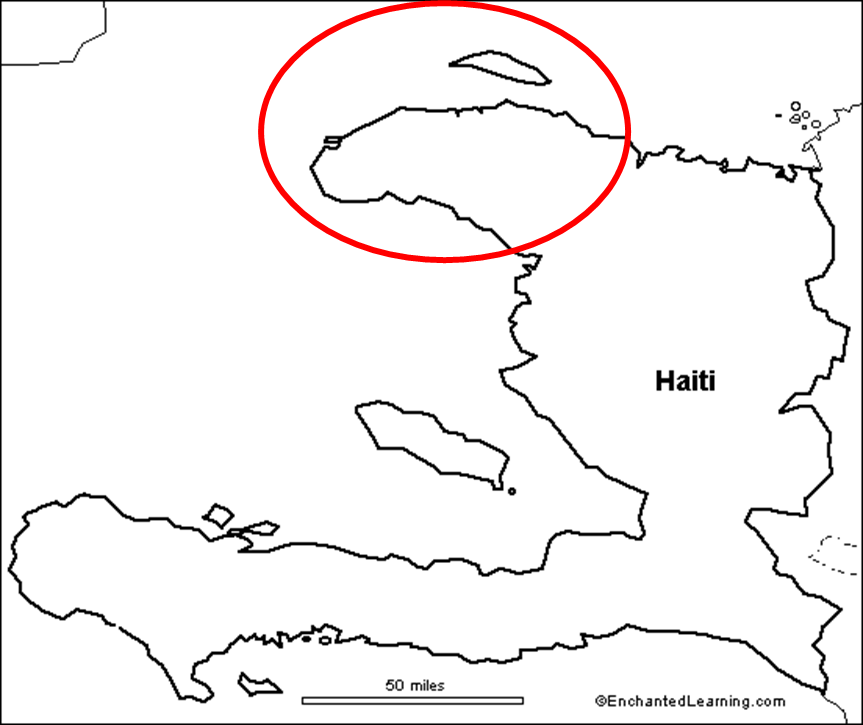
The objective of this annex was to provide the UN agency IFAD‘s with an entry point for understanding the production and marketing strategies among the targeted beneficiaries in North West, Haiti. There are some 700,000 women, men, and children in the Department of the North West and the commune of Anse Rouge. The majority liveRead More
Fishing in Haiti Surveys and Report (Haitian and German Red Cross 2012)
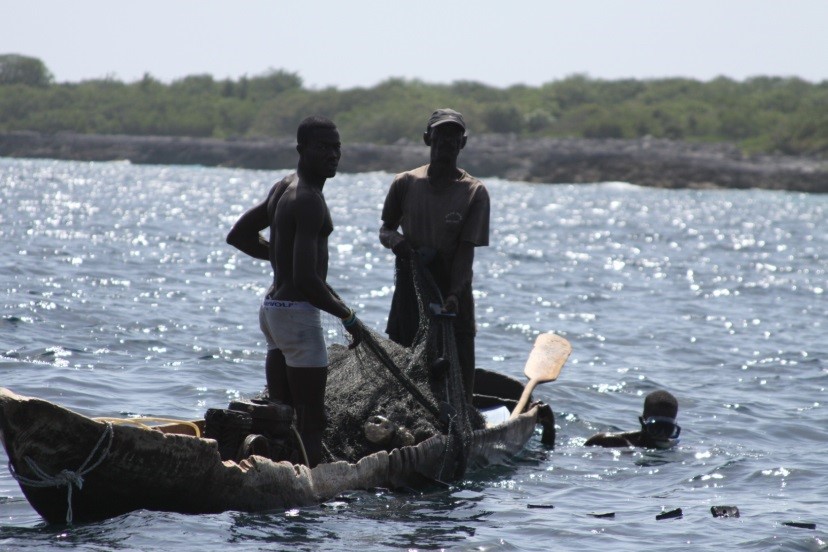
This study responds to a tender from The German Red Cross (GRC) in partnership with the International Federation of the Red Cross and Red Crescent Societies (IFRC) and the Haitian Red Cross (HRC). The research was conducted under the auspices of Socio-Dig, a Haiti-based research company. The objective was to help inform post hurricane Sandy Livelihoods/Food SecurityRead More
BARR Report for Ravine Pentad, Haiti (Post earthquake report: USAID 2011)
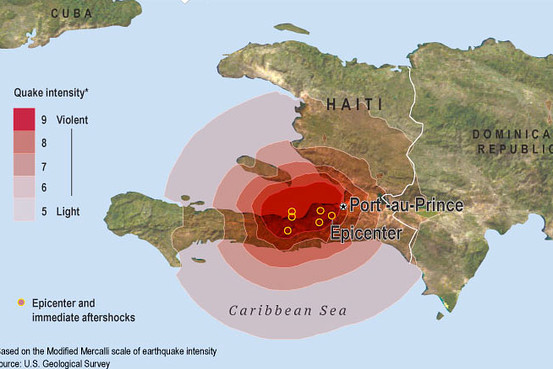
Building Assessments and Rubble Removal in Quake-Affected Neighborhoods in Haiti To assist and encourage people to return to their homes after the January 12th 2010 earthquake, USAID funded Rubble Removal Programs including demolition of condemned buildings and the removal of rubble from streets and drainage canals. Between February 2010 and February of this year USAIDRead More
BARR Report ANNEX (Haiti Post Earthquake Report: USAID 2011)
The BARR survey team set out to conduct a 54 cluster 3,600 residential building survey in Port-au-Prince neighborhoods (cluster was defined by “n” number of houses closest to a selected geographical point). The population were control versus treatment groups. Neighborhoods where rubble clearing had occurred were to be compared to neighborhoods where rubble clearing hadRead More
Vulnerability Targeting in Haiti Report (WFP & CNSA 2015)
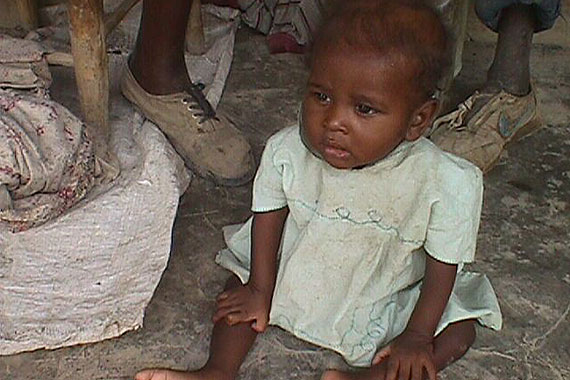
This study was commissioned by CNSA with the financial and logistic support of WFP and FAO. The objective was to examine the processes that NGO and governmental agencies employ to select beneficiaries of social assistance programs in rural Haiti. The task responds to needs associated with current humanitarian aid and development programs such as: EdeRead More
Haitian-Dominican Border Misunderstandings
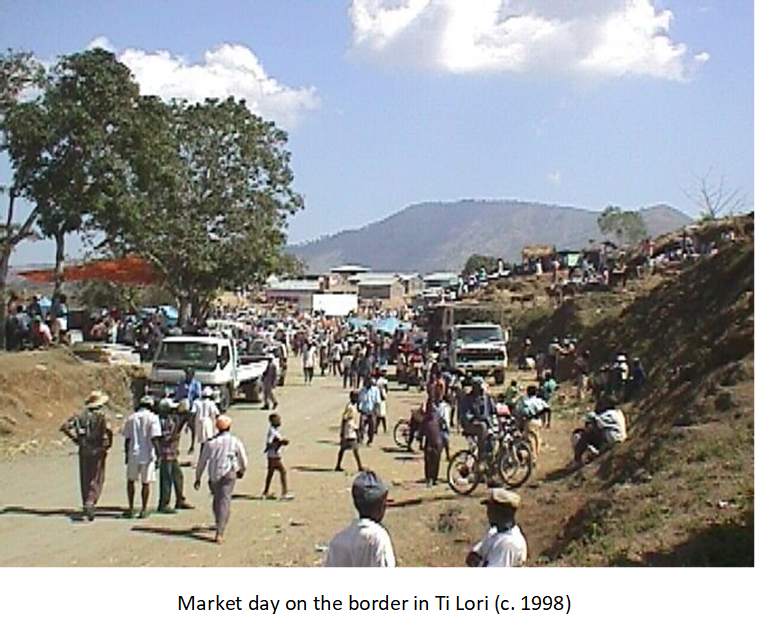
The Haitian-Dominican border is a widely misunderstood place. Here I want to share some insights in hopes that they will contribute to a better understanding of the area. But before I get started, I want qualify myself as not just another anthropologist whining about Dominican-Haitian relations. Over the past 25 years I’ve spent 9 yearsRead More
Haitian Food Consumption Patterns: Part II
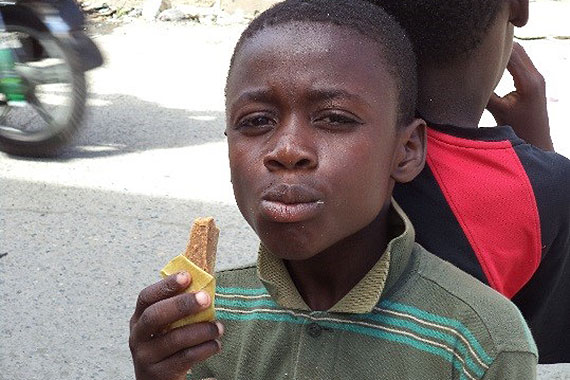
This is the second part of a two-part study that was originally funded by the American Peanut Council (APC), and sub-contracted through EDESIA, a social enterprise with the goal of preventing malnutrition among the world’s most vulnerable children through production of Ready-to-Use Therapeutic Foods. Information and excerpts from this report were used in a 2015Read More
Email Updates
Get notified when new research is released by signing up below.