Haiti Anthropological Brief: Myth of the Indiscriminate Haitian Charcoal Maker
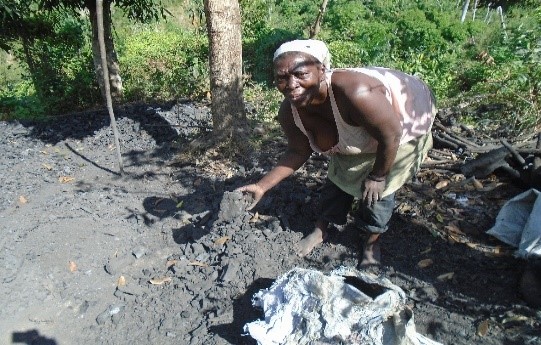
A common myth often repeated among development experts working in Haiti is that the peasants cut their fruit trees for charcoal (see MIF 2010; USAID/WINNER 2015; TNS 2014; Davenport 2000:1). And they do. But what’s mythical is the implication that they are indiscriminately felling healthy and productive fruit trees. After seven years of researching factors thatRead More
Haiti Anthropological Brief: Land Tenure in Haiti and Myth of Land Insecurity

The most cited explanations for the “failure” of Haitian peasants to invest in improving the land they live on– such as planting mango trees—are often the weakest explanations. And perhaps the most cited reason of all—and the most mistaken– is land insecurity, or what 30 years ago one of Haiti’s most consulted consultants, Gerald F.Read More
Haiti Anthropological Brief: Myth of Land Fragmentation in Haiti
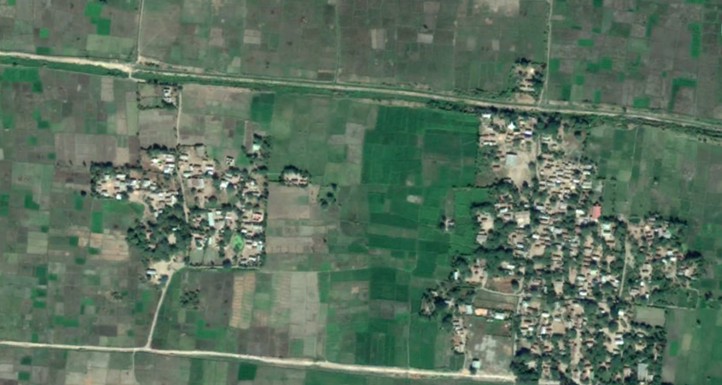
A common explanation one hears from educated Haitians and NGO workers alike for increasing rural poverty is land fragmention. As the argument goes, growing population has meant that heirs to Haitian farms have found themselves with increasingly smaller parcels of land. The evidence is, of course, growing population. The population of Haiti in 1950 wasRead More
Belying Basket of Mango: TRAVESTY OF EXPORT VS. LOCAL MANGO PRICES Part II
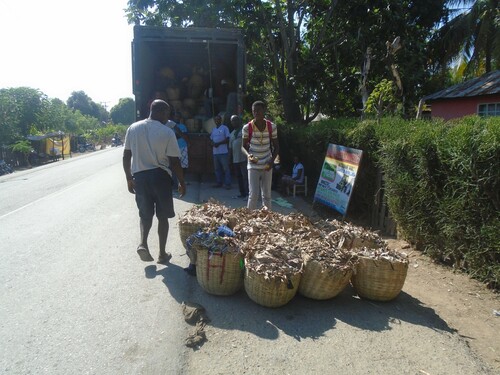
If we consider the value of a panye (basket) in terms of a poor market woman selling mangoes in the local market, where 95% or more of all Haiti’s mangos get sold, there is clearly a price floor at which point it makes no sense to harvest and sell mangos. There is a point whereRead More
Coca Cola Mango Travesty

In 2010, the Coca Cola company helped initiate a project called Haiti Hope: a USAID, IDB, and Coca Cola joint venture that aimed to increase mango production and export. It was different than all preceding Haiti mango projects in that it was founded on the “Hope” that there would be an immediate and dramatic increaseRead More
“THEY SAID THAT I COULD HAVE A TENT!!!”

The man shouts, “THEY SAID THAT I COULD HAVE A TENT!!!” He is a lean, middle aged, handsome and strong featured black man and he’s furious. His eyes bug out and his cheeks puff up as he explodes again into a fit of shouting, “THEY SAID THAT I COULD HAVE A TENT!” He isRead More
Anthropology of NGOs: How Activist Humanitarian Aid Agendas Corrupted Social Sciences in the Caribbean

The obscurantism of political and economic agendas has always pervaded discourse on Caribbean family patterns, but anthropology had a stronger materialist orientation in the early and mid-1900s, one that lent itself to rigorous analysis of causation. By the 1970s and 1980s, hope was fading. A fog of research agendas, convoluted analyses, ideational and cultural causalRead More
Gender in Haiti: Review of the Literature
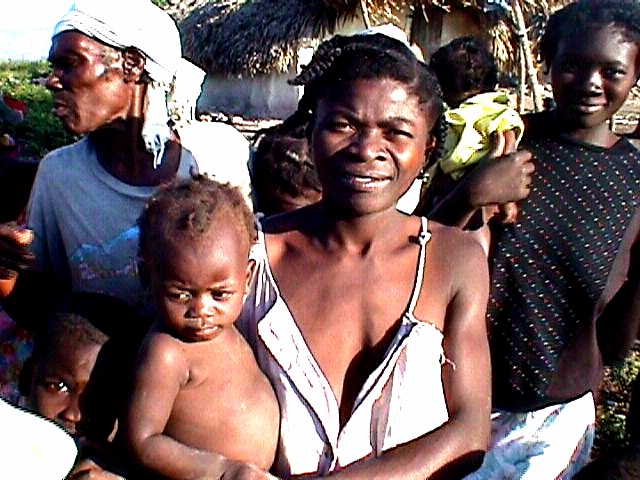
This is a much expanded version of two shorter blogs, ‘A Short Note about Gender in Haiti‘ and ‘More on Gender in Haiti.’ It sums up the radical misunderstanding that seemingly all NGOs and journalists as well as many scholars have presented of gender in Haiti before and after the earthquake.
Children of Haiti: The Haitian Restavek and Child Slavery
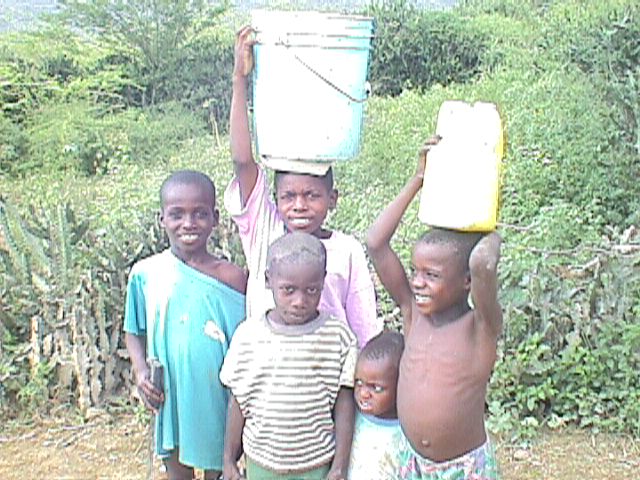
The cry ‘child slavery’ grabbed world attention in 1998 when Haitian-born Jean-Robert Cadet published his shocking autobiography, From Haitian Slave Child to Middle-Class American, in which he recounted his life as a restavek, the Haitian Creole word for child domestic servant. As the Cadet Foundation website tells potential donors, “As a restavek he lost hisRead More
Madam Sara vs. Komèsan: Subsidizing Self Destruction
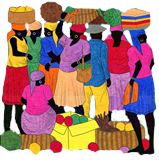
Originally published in January 2012 on Open Salon Madan Sara The madam sara (or phonetically madan sara) is the itinerant female Haitian market woman. She is the principal accumulator, mover, and distributor of domestic produce in Haiti and as such represents the most critical component in what anthropologists have long called the internal Haitian marketing system, the one upon whichRead More
Email Updates
Get notified when new research is released by signing up below.