Cheaper by the Dozen Mango Travesty II
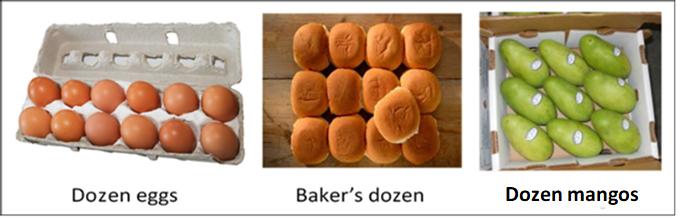
Puzzling regarding change in prices, size of dozens and reject rates is that HAP made claims in 2005 almost identical to those of Haiti Hope project claims in 2014 and 2015. Quoting directly from the HAP 2005 evaluation, Field interviews indicated that ten years ago producers were paid four gourdes for a dozen mangos, andRead More
USAID Funded Chemonics Mango Travesty: WHAT’S WRONG WITH THIS PICTURE?
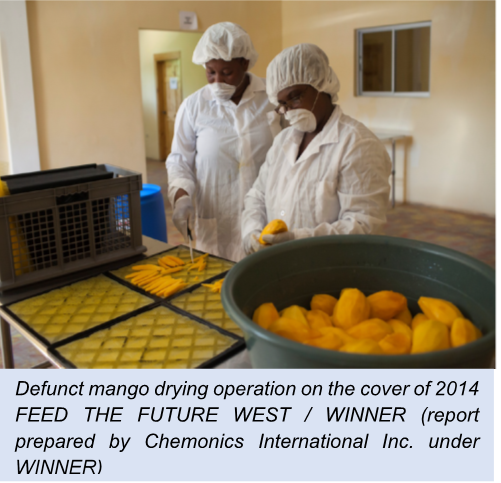
USAID/IDB/Coca Cola funded Haiti Hope project invested in processing enterprises, and failed in every attempt. A good example comes from l’Unité de Séchage de Fruits à Mirebalais–The Fruit Drying Operation in Mirabalais–funded by USAID/WINNER’s $127 million Feed the Future West project and operated by the Mirebalais association ADAIM (Association pour le développement agro-industriel de Mirebalais).Read More
Haiti Hope Gender Travesty
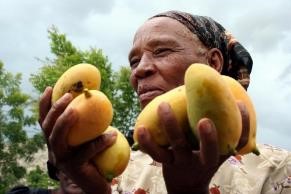
In this paper I take a look at how NGO use of “asosyasyson”–what might better be called cooperatives–have probably hurt the economic autonomy of rural Haitian women. Specifically I look at USAID/Coca Cola/IDB funded Haiti Hope Mango project. The project was implemented by TechnoServ. I don’t mention it here, but we’ve observed a similar phenomenonRead More
Travesty of the Haiti vs. Dominican Mango Industry
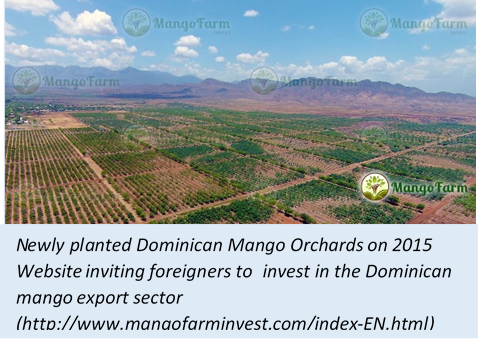
While Haiti absorbed some US $120 million of investments in the mango sector and did not significantly increase mango exports, the Dominican Republic created a mango export industry. In 1989 they only had 1,250 hectares planted in orchards. By 2006 that figure had tripled to 4,400 hectares. As for exports, they went from 8,222 boxesRead More
Coca Cola Mango Travesty
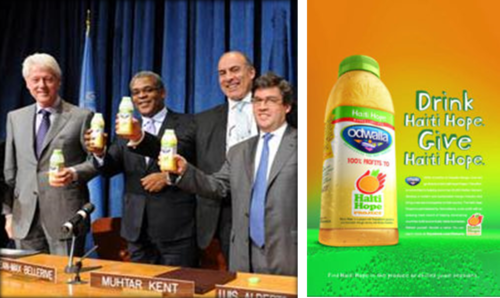
In 2010, the Coca Cola company helped initiate a project called Haiti Hope: a USAID, IDB, and Coca Cola joint venture that aimed to increase mango production and export. It was different than all preceding Haiti mango projects in that it was founded on the “Hope” that there would be an immediate and dramatic increaseRead More
Haiti Orphanage Report (UNICEF/IBESR 2013): Unpublished
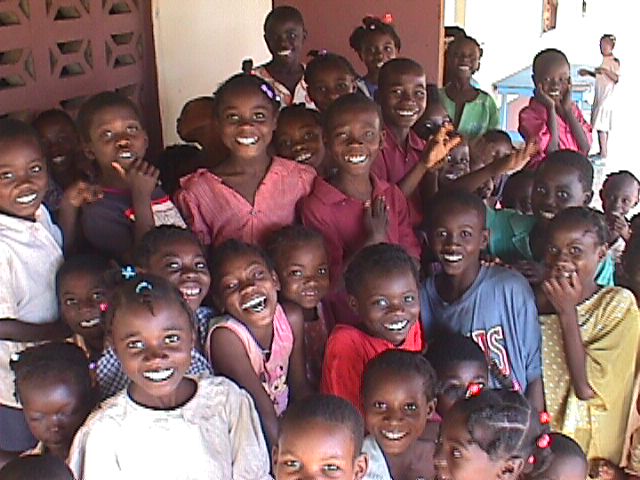
This is the controversial UNICEF/IBESR report, conducted by Sociodig, a Haiti-based research company. I’ll let interested readers be the judge regarding the quality of the work. But as can be seen from the report, it was a massive amount of research. Quite simply, there is no study of orphanages in Haiti that comes close to itsRead More
IDP Camp Rental Subsidy Survey and Report (OCHA 2017)
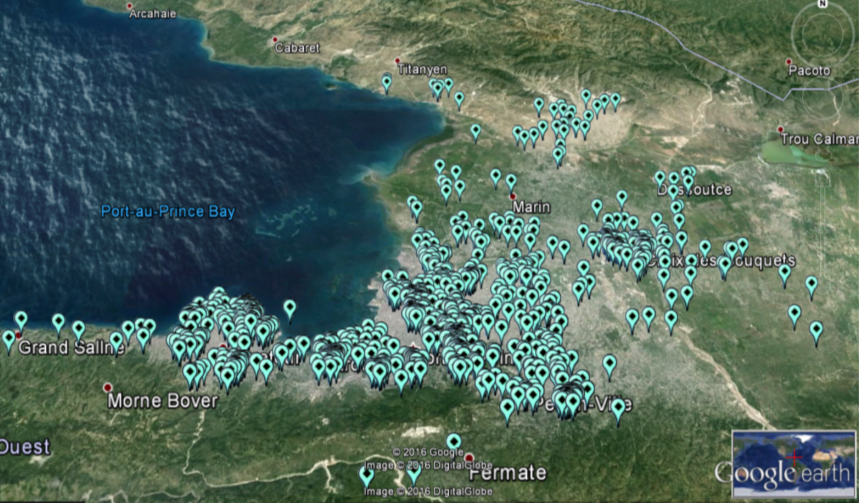
The study described in this report was funded by the EU and commissioned by OCHA, and members of the Haiti post-earthquake Camp Cluster. The research was conducted under the auspices of Socio-Dig, a Haiti-based research company. The report focuses on an evaluation of Income Generating Activities (IGA) that accompanied rental subsidy programs in Haiti between 2013 andRead More
The Harsh World of Being an Aid Worker
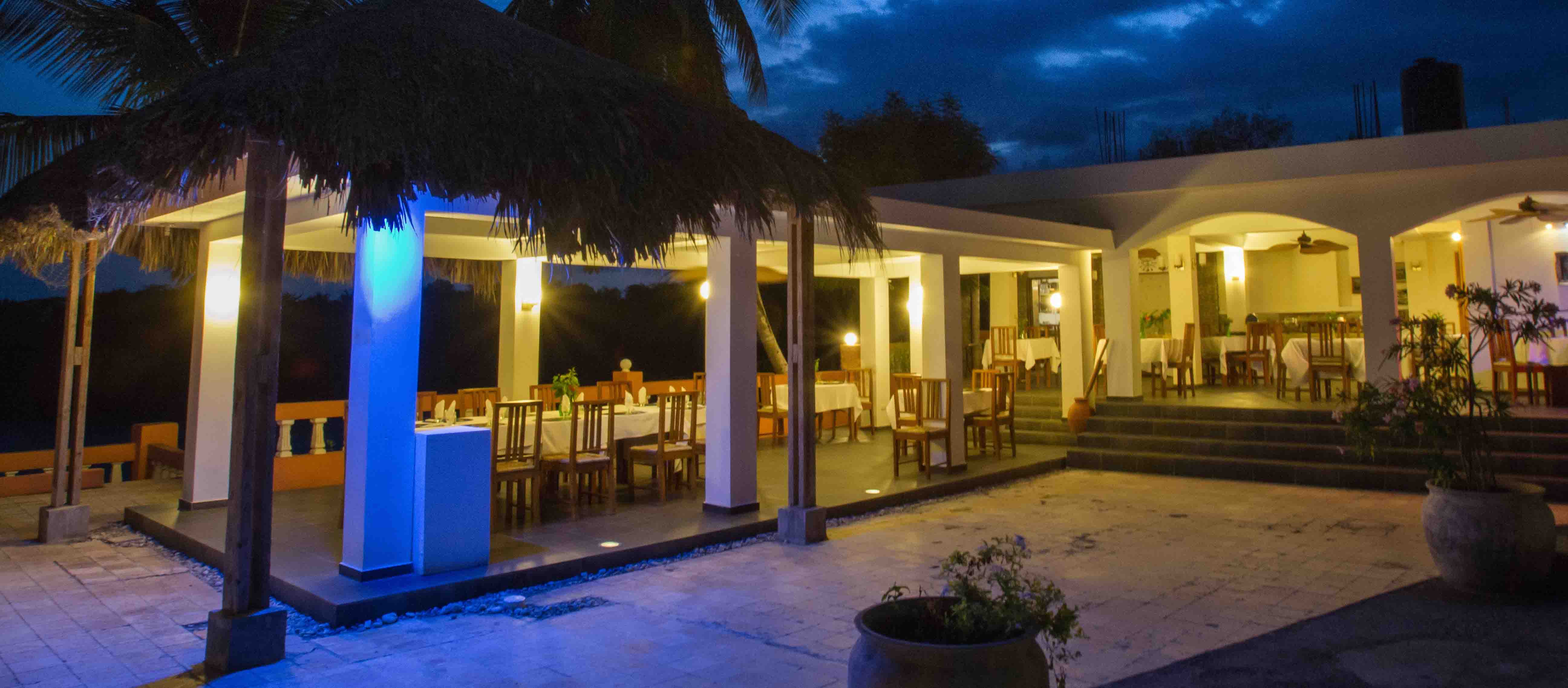
It’s March 21st, two months and nine days after the 2010 Haiti earthquake. I’m seated at a table surrounded by five other diners, in a crowded outdoor restaurant, trying to work a legally undersized lobster tail out of its shell. The town in which this restaurant is located is called Jacmel. It’s a special place.Read More
“THEY SAID THAT I COULD HAVE A TENT!!!”
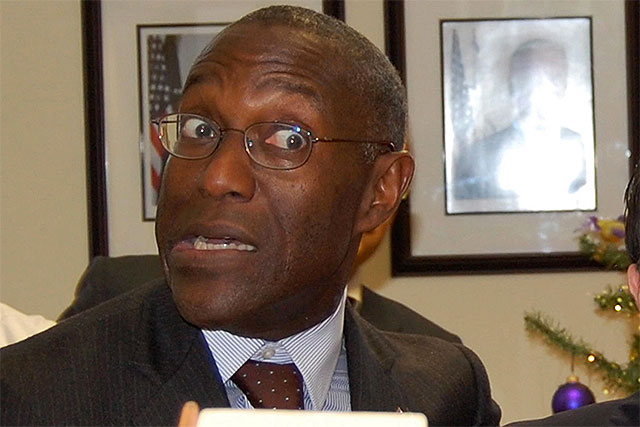
The man shouts, “THEY SAID THAT I COULD HAVE A TENT!!!” He is a lean, middle aged, handsome and strong featured black man and he’s furious. His eyes bug out and his cheeks puff up as he explodes again into a fit of shouting, “THEY SAID THAT I COULD HAVE A TENT!” He isRead More
BROKEN PROMISE: ANTHROPOLOGY AND THE HUMANITARIAN AID SECTOR
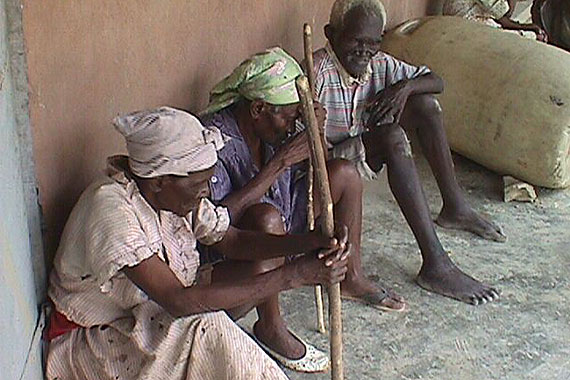
To explain, one has to understand the evolution of anthropology and humanitarian aid industry. The two are—or at least once were– intricately intertwined.
Email Updates
Get notified when new research is released by signing up below.